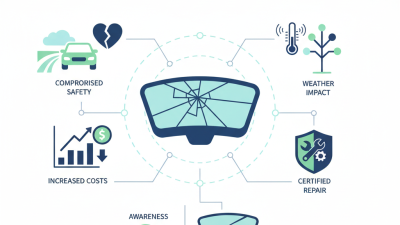
Choosing the right car glass fix in 2026 requires more than comparing prices online. Global buyers must examine safety, material quality, technician training, warranty terms, and local service availability. A windshield is not merely a clear panel. It supports visibility, protects occupants, and may influence camera-based driver assistance systems.
Small damage can sometimes receive a professional resin repair. Long cracks, edge damage, or damaged side glass may require replacement. The decision depends on location, depth, temperature exposure, and the vehicle’s design. Experienced technicians should identify the glass specification, confirm compatibility, and inspect surrounding seals before installation. Details matter.
They really do.
For vehicles with rain sensors, head-up displays, or ADAS cameras, post-installation calibration deserves special attention. A perfectly fitted windshield can still create safety concerns if its camera alignment is incorrect. Buyers should request written evidence of calibration procedures, product certification, and warranty coverage. Regional standards also vary, so a service trusted in one country may not meet another market’s expectations.
Price is useful, but it should not lead the decision. A very low quote might exclude calibration, disposal, mobile service fees, or proper weather sealing. Buyers should compare transparent estimates and ask how long the vehicle must remain stationary after installation. In my view, online reviews help, yet they cannot replace verified training and documented workmanship. Some recommendations sound convincing but lack technical proof. This guide examines practical car glass fix options for international buyers, including repair methods, replacement choices, service models, and questions worth asking before approving the work.
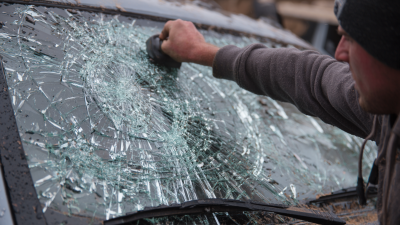
Car glass damage is not only a cosmetic problem. A small stone chip can spread across a cold windshield within hours. Technicians usually assess its size, depth, location, and contamination before choosing repair or replacement. A chip outside the driver’s viewing area may be repairable. Damage near an edge, camera, or heating line often needs stricter evaluation. The decision is not always obvious.
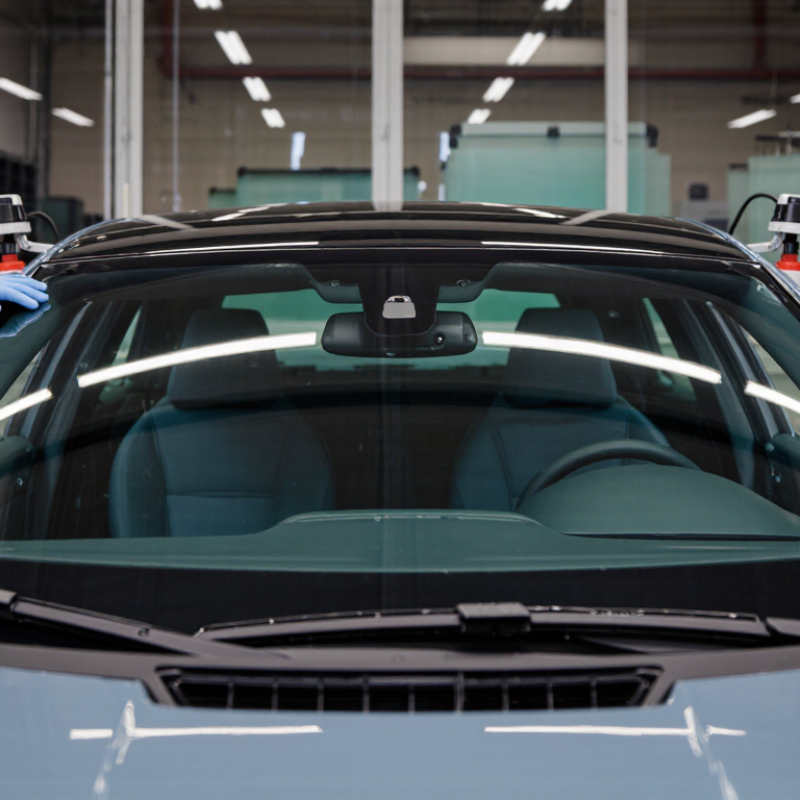
Modern windshields can support cameras, rain sensors, and lane-assistance systems. After replacement, these systems may require static or dynamic calibration. The Insurance Institute for Highway Safety reported that forward collision warning with automatic braking reduced rear-end crashes by about 50% in its reviewed studies. Incorrect glass positioning can affect that safety performance. NHTSA guidance also treats glazing and windshield installation as regulated safety matters, not simple cosmetic work. Buyers should request the glass specification, technician qualifications, calibration record, and final inspection details. Ask for evidence.
Repair standards differ across markets, and imported vehicles may have unusual sensor layouts. A low price can hide missing calibration or poor bonding materials. That is a real weakness in many online quotations. Even professional guidance has limits when damage involves multiple layers or previous repairs. For global buyers, the safest choice is a documented assessment from a qualified technician familiar with the vehicle’s original safety systems.
A small windshield chip needs a different solution from a long crack. Resin repair usually suits chips smaller than a coin, when the damage is clean and away from the driver’s direct view. A technician should inspect the depth, shape, and location before choosing repair. Dirt, moisture, and freezing temperatures can reduce repair quality. The result may also remain slightly visible. That is normal, but it should not spread.
Long cracks, edge damage, or multiple impact points often require glass replacement. Edge cracks deserve careful attention because vehicle movement can increase stress. Side and rear windows commonly use tempered glass. They usually cannot receive the same resin treatment as laminated windshields. Replacement glass must match thickness, tint, heating elements, and mounting requirements. Vehicles with cameras or driver-assistance sensors may also need calibration after windshield installation. Skipping that check creates an avoidable safety risk.
Tips: Photograph the damage before driving further. Keep the area dry and covered with clear tape. Avoid sudden temperature changes, such as hot air on icy glass. Ask for the glass specification and calibration record. Also, compare the technician’s inspection with the quoted repair. I would not choose the cheapest option automatically. It may be cheaper only because important checks were omitted. Availability, climate, road conditions, and local fitting standards can change the sensible choice for each buyer.
2026 Best Car Glass Fix Options for Global Buyers?
Evaluating Repair Methods, Materials, and Safety Standards
Global buyers need more than a low repair price. They need a safe match between damage, glass, and local standards. A trained technician should inspect the impact under clean, bright light. A small stone chip may suit resin injection when damage stays outside the driver’s main viewing area. Long cracks, edge damage, or broken inner layers usually require replacement.
Repair quality depends heavily on materials. Professional resin should flow through impact points and cure without cloudy pockets. Replacement windshields need laminated safety glass with a correctly bonded plastic interlayer. The seal must fit evenly around the frame. Gaps can invite water, wind noise, and corrosion. I have seen neat-looking repairs fail because the surface was cleaned poorly. Appearance alone proves little. Good technicians record glass markings, adhesive type, curing time, and weather conditions. This record supports later inspection.
Safety standards differ by country, so buyers should request compliance documents before work begins. The technician should check required impact, visibility, bonding, and optical distortion tests. Vehicles with cameras or sensors may need calibration after windshield replacement. A short road check is useful. It can reveal drifting warnings or blurred lane lines. Standards are not identical everywhere. That makes direct comparison difficult. I would not accept a rushed repair, even when the chip looks harmless. A small flaw can expand after a cold night or strong temperature change.
Comparative evaluation of common repair methods using a 1–5 practical score based on material compatibility, optical quality, sealing performance, and safety-system support.
Resin repair is generally suitable only for limited damage in laminated windshields. Full windshield replacement provides the broadest restoration when damage affects the driver’s viewing area, reaches an edge, or compromises structural integrity. Tempered side and rear glass normally requires panel replacement rather than repair. Vehicles equipped with cameras or driver-assistance sensors may require calibration after windshield replacement. Local regulations, vehicle specifications, glass markings, and technician qualifications should be checked before choosing a method.
For global buyers, car glass repair begins with the service provider, not the cheapest online quote. A qualified workshop should show technician training, insurance, traceable work records, and clear warranty terms. Ask how it handles your vehicle’s market version, steering position, and local road conditions. These details matter. A provider serving imported vehicles should verify the vehicle identification number, model year, body style, and glass position before ordering. I have found that a confident answer is less useful than documented evidence.
Compatible parts require more than matching dimensions. The glass should meet the vehicle’s approved specifications, optical requirements, tint level, antenna layout, and sensor openings. If cameras or rain sensors sit near the windshield, calibration may be necessary after installation. Request the part number, country of manufacture, inspection information, and installation method in writing. A good provider explains adhesive curing time and safe driving limits. Do not rely on appearance alone. A perfect-looking pane can still create distortion or sensor errors.
Global service also depends on communication. Confirm shipping protection, customs documentation, replacement procedures, and support in your language. Send photographs of the damaged area and the existing glass markings before payment. This reduces avoidable mistakes. I once underestimated how much climate affects curing time; heat, dust, and humidity can change the result. That lesson remains useful, although every vehicle and workshop differs. Buyers should question vague warranties and unusually fast promises. Reliable work leaves a paper trail, but even a detailed checklist cannot replace a careful final inspection.
Car glass repair costs vary with vehicle design, glass size, damage depth, and local labor rates. A small chip may cost far less than a full windshield replacement. However, cracks near cameras, sensors, or the driver’s viewing area often require replacement. Ask whether the estimate includes seals, installation, disposal, and calibration.
Time matters. Minor repairs may take 30 to 60 minutes, while replacement often needs one to three hours. Vehicles with advanced driver-assistance systems may require additional calibration. This can extend the appointment and increase the final cost. A reliable installer should explain the procedure before work begins, not after the invoice arrives.
Warranty terms deserve careful reading. Many providers cover installation leaks, visible defects, or adhesive failure for a stated period. They may exclude new impact damage, misuse, or unrelated electronic faults. Ask for written coverage and keep the invoice.
One practical lesson is that the cheapest quote is not always the best value. I have seen estimates omit calibration, creating an uncomfortable surprise later. No estimate is perfect, especially across different countries. Local taxes, parts availability, and weather can change both price and timing. Ask for details.