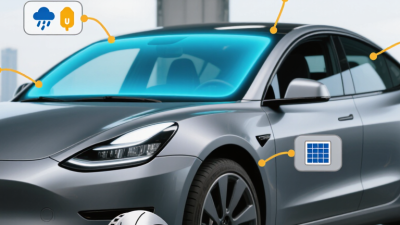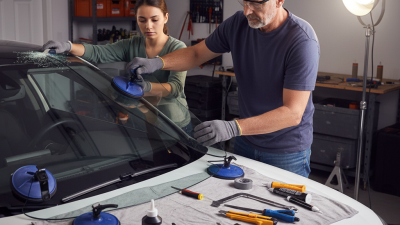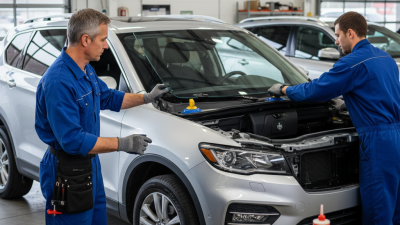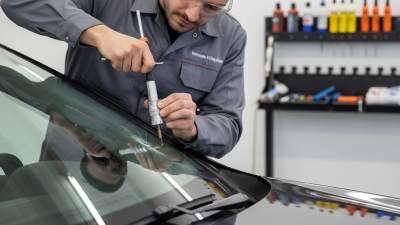
Replacing a windshield is no longer a simple glass swap. In 2026, drivers and repair professionals face stricter safety expectations, advanced driver-assistance systems, and wider product choices. The best solution depends on vehicle design, damage location, climate, budget, and calibration requirements. A small crack may need repair, while severe damage requires a complete replace windshield service.
Bob Beranek, a recognized auto-glass safety specialist and former Auto Glass Safety Council chairman, has said, “The windshield is a structural component of the vehicle.” That point still matters. Modern windshields support roof strength, protect passengers, and house cameras for lane departure and emergency braking systems. One mistake can affect more than visibility.
Quality matters most.
This guide examines the top global solutions for replace windshield services, including OEM glass, certified aftermarket glass, mobile installation, ADAS recalibration, and environmentally responsible recycling. It also considers regional supply differences, technician training, adhesive curing time, and transparent warranty practices. Experienced installers inspect the frame, compare glass markings, control installation temperature, and complete electronic calibration when required.
Not every cheap option is unsafe. Not every premium option is perfect. That is the uncomfortable part. Some replacement claims sound impressive but lack clear testing evidence. Buyers should ask about certification, technician experience, adhesive specifications, calibration reports, and post-installation support. A clean workshop, accurate measurement, and documented quality checks often reveal more than persuasive advertising.
This overview aims to provide practical, evidence-based direction for safer windshield replacement decisions worldwide. Limited information can still lead to poor choices. Careful verification remains essential.
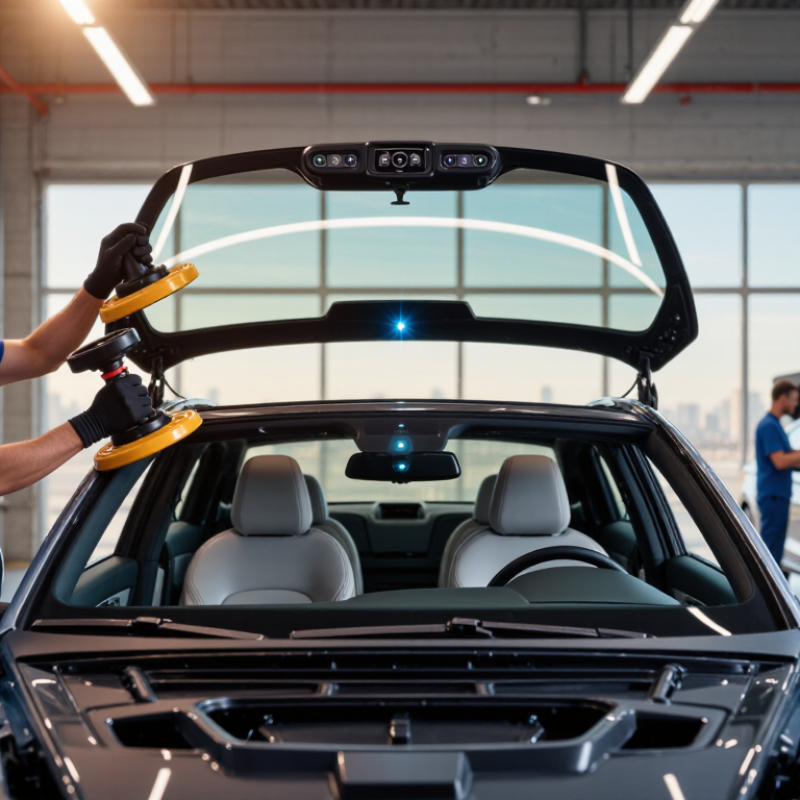
2026 Top Solutions to Replace Windshield Globally
Global Windshield Replacement Demand Across a 1.5-Billion-Vehicle Fleet
A 1.5-billion-vehicle global fleet creates steady demand for windshield replacement. Damage comes from gravel, temperature changes, road debris, and sudden impacts. A small chip can spread across the driver’s view within hours. Weather matters too. In hot regions, direct sunlight can worsen existing cracks. In colder areas, rapid heating may increase glass stress.
One size fits all.
Reliable replacement begins with a careful vehicle inspection. Technicians should check glass shape, mounting points, cameras, rain sensors, and heating elements. Many newer vehicles require recalibration after installation. Poor calibration may affect lane warnings or emergency braking functions. The work should follow vehicle specifications and recognized safety procedures. Clear records, correct adhesives, and controlled curing times also support dependable results.
Global suppliers need practical solutions for different roads and climates. Mobile service can help drivers in remote areas, while regional workshops may handle complex calibration. Digital ordering can reduce delays, but it is not always accurate. Vehicle records may be incomplete, and part matching can still fail. That weakness deserves attention. Trained technicians should confirm measurements before installation, not rely only on automated data. Customers also need transparent information about repair limits, replacement timing, and post-installation checks. When damage reaches the driver’s primary viewing area, replacement may be safer than repair.
2026 Top Solutions to Replace Windshield Globally
Laminated glass remains the practical choice for global windshield replacement. Its plastic interlayer holds broken glass together and helps limit occupant ejection. OICA reported approximately 75.5 million motor vehicles produced worldwide in 2024. That volume creates a serious fitment challenge across different markets. A windshield may look identical, yet its optical zones, curvature, sensors, and markings can differ.
FMVSS 205 in the United States references glazing safety requirements, including light transmission, impact resistance, abrasion, and permanent marking. UNECE R43 covers similar performance areas, but the approval process and marking format are not interchangeable. For many windshield zones, 70% visible light transmission is a critical reference point. Selection should also verify acoustic layers, heating elements, camera brackets, and edge dimensions. NHTSA safety guidance recognizes laminated windshields as important for occupant retention, but compliance alone does not guarantee correct vehicle integration.
Tips: Request the exact vehicle specification, production year, glass position, and required approval mark. Measure visible light transmission after installation, not only before delivery. Check camera calibration and adhesive cure time. Small errors matter.
A recurring mistake is treating “global replacement” as one universal specification. It is not. In field assessments, installers often focus on cracks and overlook optical distortion near the driver’s sightline. That oversight deserves more attention. Standards provide a baseline; disciplined inspection protects real-world performance.
For laminated windshield glass selection, both FMVSS 205 using the AS-1 glazing classification and UNECE R43 require at least 70% luminous transmittance through the required windshield vision area. Clear laminated glass is therefore the baseline solution, while interlayers, coatings, tint and acoustic structures should be verified to preserve this threshold after production.
Windshield replacement can disturb the camera’s viewing angle, even when the glass looks perfectly aligned. A small change may affect lane guidance, emergency braking, or traffic sign recognition. The practical target is calibration accuracy within ±1 degree, but this should never be treated as a universal guarantee.
Accurate work begins with a level service area, correct tire pressure, and a careful inspection of the camera bracket. Technicians should scan the vehicle before removal. This records existing faults and helps identify hidden system issues. After installation, static calibration uses measured targets at precise distances. Dynamic calibration may then confirm performance on a controlled road.
Small details matter.
The windshield must match the vehicle’s required optical properties. Dirt, adhesive residue, or an uneven mounting surface can shift the camera’s image. Calibration equipment also needs regular verification. A printed target placed a few centimeters off-center can create misleading results. That mistake is easy to miss.
Real workshop conditions are not flawless. Lighting changes, road markings fade, and suspension damage may influence readings. Skilled technicians should document measurements, diagnostic codes, target distances, and the final calibration result. A short road check adds useful evidence, but it cannot replace proper diagnostic procedures. ±1 degree is a meaningful benchmark, not a shortcut.
A safe windshield replacement is not finished when the glass looks clean. It ends when the adhesive reaches a verified drive-away time. Many automotive glazing technical data sheets specify 30–60 minutes under controlled conditions. Temperature, humidity, glass size, and primer performance can change that window.
The installer should confirm the vehicle, glass, adhesive batch, and safety systems before removal. The ANSI/AGSC/AGRSS Standard 004-2022 emphasizes documented procedures, technician competence, and post-installation inspection. NHTSA’s Federal Motor Vehicle Safety Standard 212 also treats windshield retention as a crash-safety requirement, not a cosmetic detail.
The vehicle should remain level during curing. Door slams can create pressure changes inside the cabin. Dust, water, or a cold metal flange can weaken the bond. At 30 minutes, the adhesive may feel firm but remain chemically immature. That is an easy mistake.
A reliable workflow records ambient temperature and humidity, checks the manufacturer’s stated minimum drive-away time, and confirms wiper, camera, and trim alignment. Vehicles with forward-facing cameras may need calibration after replacement. Industry repair guidance repeatedly links calibration accuracy with correct glass positioning and stable installation conditions. The 30–60-minute promise should therefore be treated as a controlled target, not a universal guarantee. Real safety sometimes requires waiting longer.
2026 Top Solutions to Replace Windshield Globally
Sustainable Replacement: Recycled Glass, OEM Parts, and Digital Claims
Windshield replacement is becoming more sustainable, but safety must remain measurable. Recycled glass can reduce material waste and energy use during production. Its quality, however, may vary between suppliers. Technicians should check optical clarity, thickness, edge finish, and impact resistance before installation.
OEM parts can provide a precise fit for vehicles with cameras, sensors, and heated glass. Correct positioning matters. A small alignment error may affect lane-assistance functions or rain-sensing systems. Experienced technicians should follow vehicle-specific procedures, use calibrated tools, and document every inspection. Local certification requirements also need attention, because repair standards differ across regions.
Digital claims are making replacement faster for drivers and insurers. Photos, vehicle data, and damage measurements can support remote assessments. A clear image of the crack is useful. Still, software cannot judge every condition accurately. Poor lighting, hidden frame damage, or previous repairs may mislead an automated review. Human inspection remains necessary when evidence is incomplete.
Better records help. A digital file can show the glass specification, technician credentials, calibration results, and installation time. This supports accountability across different markets. Yet the process is not perfect. Some workshops lack stable connectivity, and customers may struggle with unfamiliar claim platforms. Practical training and accessible support are still essential.
| Solution | Primary Use | Material or Process | Sustainability Benefit | Operational Considerations | Typical Readiness in 2026 |
|---|---|---|---|---|---|
| Windshield Repair Instead of Replacement | Small chips and short cracks that meet local repair limits and do not obstruct the driver’s primary viewing area | Resin injection and controlled curing of the damaged laminated glass | Uses the existing windshield, reducing glass, interlayer, packaging, transport, and installation waste | Not suitable for every damage type; damage at the edge, deep impact damage, or damage within a critical viewing zone may require replacement | High |
| Windshields with Recycled Glass Cullet | Replacement windshields manufactured with verified recycled glass feedstock | Laminated safety glass with a polymer interlayer and controlled recycled glass content | Glass manufacturing can reduce furnace energy demand by approximately 2–3% for each 10% of suitable cullet used; automotive glass requires additional separation because of the interlayer | Recycling systems must separate glass from polymer interlayers and remove contaminants before closed-loop use | Growing |
| OEM-Equivalent Replacement Parts | Vehicles requiring exact fit, correct optical performance, heating elements, acoustic properties, or sensor compatibility | Laminated safety glass produced to the vehicle’s required dimensions, curvature, markings, and technical specifications | Correct fit can reduce failed installations, repeat transport, rejected parts, and premature replacement | Part identification must match the vehicle configuration; installation should follow applicable safety and calibration procedures | High |
| Certified Aftermarket Safety Glass | Cost-conscious replacement where the part meets applicable legal and safety requirements | Laminated safety glass manufactured and tested against relevant regional glazing standards | Can improve material availability and reduce delivery distance when produced or stocked closer to the repair market | Optical quality, curvature, acoustic performance, embedded hardware, and camera compatibility should be verified before installation | High |
| ADAS-Aware Windshield Replacement | Vehicles with cameras or sensors mounted near the windshield | Replacement followed by static or dynamic calibration according to vehicle-specific requirements | Reduces the risk of incorrect sensor operation, repeat visits, unnecessary part replacement, and avoidable vehicle downtime | Calibration requirements vary by vehicle; wheel alignment, scan tools, road conditions, and environmental factors may affect the process | Essential |
| Digital Claims and Photo-Based Triage | Insurance and fleet workflows for damage assessment, approval, scheduling, and documentation | Mobile photographs, electronic forms, automated rules, digital authorization, and status tracking | Reduces paper use, duplicate data entry, unnecessary inspections, and avoidable travel for simple claims | Image quality, privacy controls, fraud review, connectivity, and human escalation procedures remain necessary | High |
| Mobile and Local Replacement Services | Vehicles that can be safely serviced at a customer, fleet, or workplace location | On-site installation using controlled curing, safe handling, and documented quality checks | Can reduce customer travel, vehicle towing, facility energy use, and logistical movements when routes are efficiently planned | Weather, workspace safety, curing time, inventory planning, and post-installation calibration must be controlled | High |
| Closed-Loop Windshield Collection | Recovery of removed windshields from repair facilities and vehicle fleets | Collection, sorting, crushing, polymer separation, cleaning, and conversion into approved glass feedstock | Diverts laminated glass from disposal and creates a secondary raw-material stream for glass or other validated applications | Economics depend on collection density, contamination levels, transport distance, and access to suitable processing equipment | Developing |
| Reusable Transport Packaging | Repeated shipment of windshields between manufacturers, distribution centers, and repair locations | Returnable racks, protective separators, durable edge protection, and standardized loading systems | Reduces single-use cardboard, plastic film, breakage, and packaging-related waste across repeated shipments | Requires reverse logistics, cleaning, asset tracking, and a sufficient shipment volume to justify return cycles | Growing |
| Repairability and Lifecycle Data Tracking | Fleet, insurer, and service-network management | Digital records for damage type, repair or replacement decision, material source, calibration status, and end-of-life routing | Supports better repair-first decisions, reduces repeat work, improves traceability, and enables measurable waste and emissions reporting | Data fields must be standardized across repairers, insurers, suppliers, and recycling partners | Growing |