What is Automobile Glass? Understanding Types, Functions, and Benefits
 Automobile glass is a critical component of modern vehicles, playing a crucial role in both safety and passenger comfort. As we navigate through the various types of automobile glass, it becomes essential to understand its unique functions and the benefits it provides. From windshields to side and rear windows, each type of automobile glass is designed to cater to specific needs, ensuring optimal visibility and protection against external elements.
The primary function of automobile glass extends beyond merely offering a barrier between the interior of the vehicle and the outside environment. It contributes significantly to the structural integrity of the vehicle, enhances aerodynamic efficiency, and shields passengers from harmful UV rays. Moreover, advancements in technology have introduced features such as shatter-resistant glass, tinting options, and soundproofing, further elevating the performance and comfort of automobile glass.
By gaining insight into the various types and functions of automobile glass, we can appreciate its vital role in the automotive industry. Understanding these elements not only aids consumers in making informed decisions during vehicle purchase or repair but also underscores the importance of maintaining high-quality glass to ensure safety and enhance the driving experience.
Types of Automobile Glass: A Comprehensive Overview of Windshields, Side Windows, and Back Windows
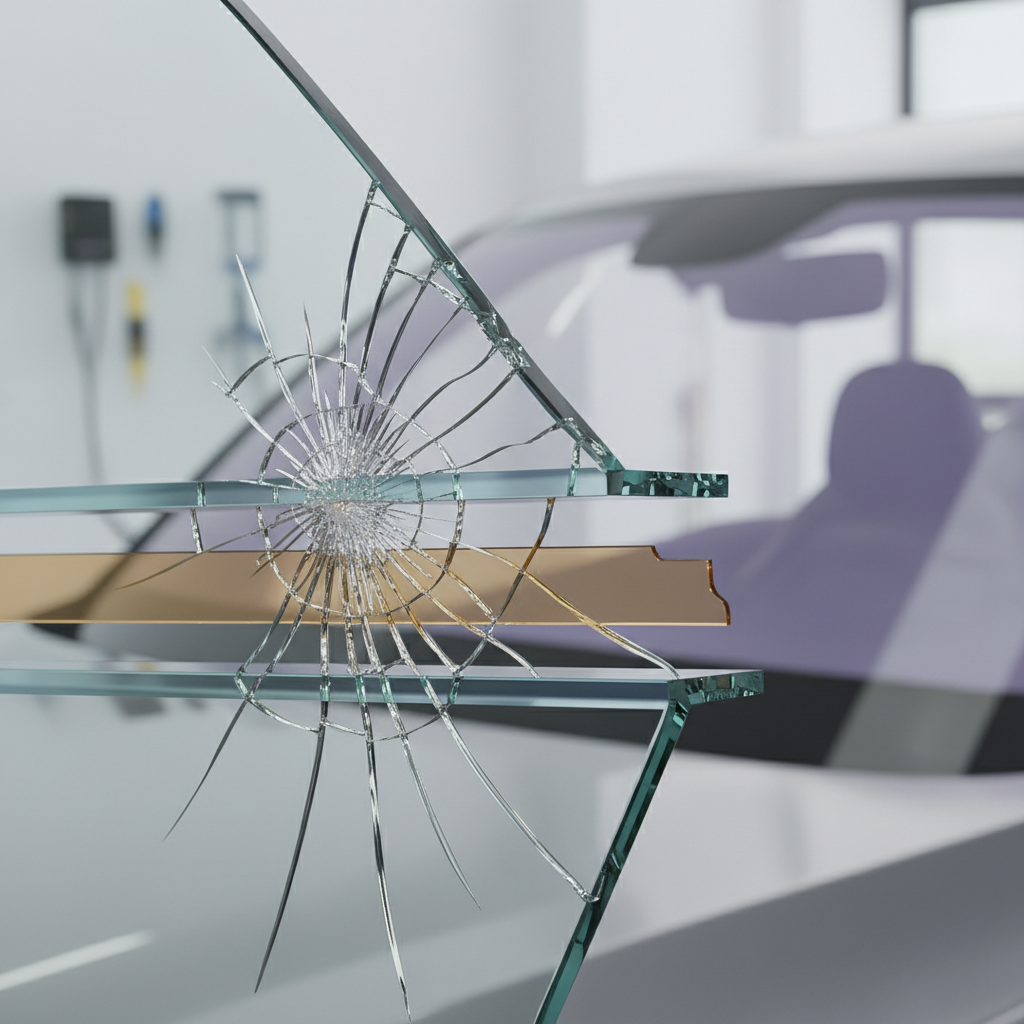
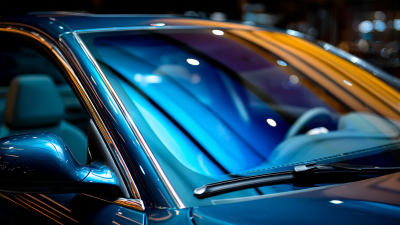
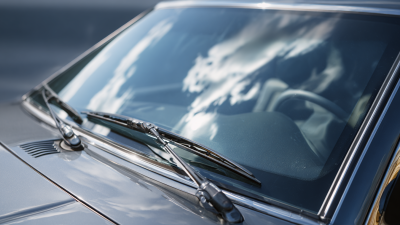
Automobile glass is an essential component of vehicle design, serving multiple functions while ensuring safety and comfort for passengers. The most recognized type is the windshield, which not only provides visibility but also contributes to the vehicle’s structural integrity. Windshields are typically made of laminated glass, which consists of two sheets of glass with a layer of polyvinyl butyral (PVB) in between. This construction prevents shattering, protecting passengers from harmful glass shards in the event of an accident.
Side windows, on the other hand, are primarily designed from tempered glass to enhance strength and shatter resistance. These windows can also be tinted for privacy and sun protection. Side windows play a role in reducing glare and regulating cabin temperature, making journeys more comfortable. Lastly, the back window, also known as the rear windshield, often incorporates features like defrosters and antennas, enhancing functionality beyond just visibility.
Understanding these specific types of automobile glass and their benefits can help consumers make informed choices regarding vehicle safety and comfort enhancements.
The Functionality of Automobile Glass: Safety, Structural Integrity, and Aesthetic Appeal in Vehicles
Automobile glass plays a crucial role in enhancing the safety, structural integrity, and aesthetic appeal of vehicles. The primary function of automobile glass, including windshields, side windows, and rear windows, is to protect occupants from external elements while providing clear visibility. This transparency is essential for safe driving, as it allows drivers to navigate effectively without obstruction. Additionally, modern automobile glass is engineered to withstand various stressors, including impact and pressure, which contributes significantly to the overall safety of the vehicle.
Furthermore, the integration of advanced technologies in automobile glass, such as acoustic and tinted options, not only improves comfort by reducing noise and glare but also enhances the vehicle's aesthetic appeal. Manufacturers focus on designing glass that complements the overall look of the car while ensuring high performance. Ultimately, the advancements in automobile glass contribute to a vehicle's structural integrity, ensuring that the frame maintains its shape and function during collisions, thereby protecting passengers and facilitating the deployment of safety features.
Benefits of Laminated vs. Tempered Glass: Understanding Their Roles in Modern Automobile Design
Laminated and tempered glass are two essential types of automotive glass, each serving distinct roles in modern automobile design.
Laminated glass consists of two layers of glass with a plastic interlayer in between, which enhances safety by holding shattered glass together in case of an accident.
This feature not only protects passengers from potential injury caused by flying glass shards but also offers added sound insulation and UV protection, making it a popular choice for windshields.
On the other hand, tempered glass, also known as toughened glass, is subjected to high temperatures and rapid cooling processes, making it significantly stronger than regular glass.
When broken, tempered glass shatters into small, blunt pieces, reducing the risk of injury. It is often used in side and rear windows, where structural integrity and impact resistance are crucial.
The choice between laminated and tempered glass largely depends on the intended function within the vehicle, with laminated glass typically favored for its protective qualities in windshields,
while tempered glass is selected for its strength and safety in side and rear windows.
The Impact of Advanced Glass Technologies on Vehicle Performance and Driver Experience
这是一个示例段落,它用于展示如何使用HTML进行排版。
重点内容: 请确保您遵循上述要求,并在不同设备上进行测试。
在这里您可以添加更多的文本内容。通过
加粗, 下划线, 或者改变 字体颜色 来突显重要信息。
此外,确保整体页面在移动设备上也能够良好展示,并保持可读性。使用适当的排版技巧来提升用户体验。
通过合理的排版,您可以使内容更易于理解和吸引读者的注意力。
Industry Standards and Regulations: Ensuring Quality and Safety in Automobile Glass Manufacturing and Installation
Automobile glass is not merely a protective element in vehicle design; it is subject to stringent industry standards and regulations that ensure both quality and safety. According to the ASTM International standards, automotive glass must undergo rigorous testing to meet the necessary strength and durability requirements, particularly for the windshield, which accounts for approximately 30% of a vehicle's structural integrity in the event of a collision. This necessity is reinforced by the fact that the National Highway Traffic Safety Administration (NHTSA) reports that poorly manufactured or installed glass is often a contributing factor in accidents.
In recent years, advancements in manufacturing processes have led to the introduction of laminated and tempered glass, which significantly exceed the basic safety regulations. For instance, tempered glass can withstand impact forces up to five times greater than standard glass, reducing the likelihood of shattering in a crash.
Compliance with Federal Motor Vehicle Safety Standards (FMVSS) ensures that all automotive glass meets minimum performance levels for visibility, impact resistance, and shatter resistance. Continuous monitoring and enforcement of these regulations are crucial for maintaining the safety and reliability of vehicles, providing consumers with peace of mind as they travel on today's roads.