Why Choosing Safe Glass for Auto Glass is Essential for Your Vehicle's Safety
In the realm of vehicle safety, selecting the right type of auto glass is imperative. Recent studies highlight that windshield integrity plays a crucial role in vehicle safety, contributing to about 30% of overall structural support during a collision. This statistic underscores the importance of opting for high-quality materials, particularly safe glass auto glass, which is engineered to withstand impact and protect occupants effectively. According to the National Highway Traffic Safety Administration (NHTSA), improperly installed or subpar auto glass can lead to severe injuries or fatalities in the event of an accident.
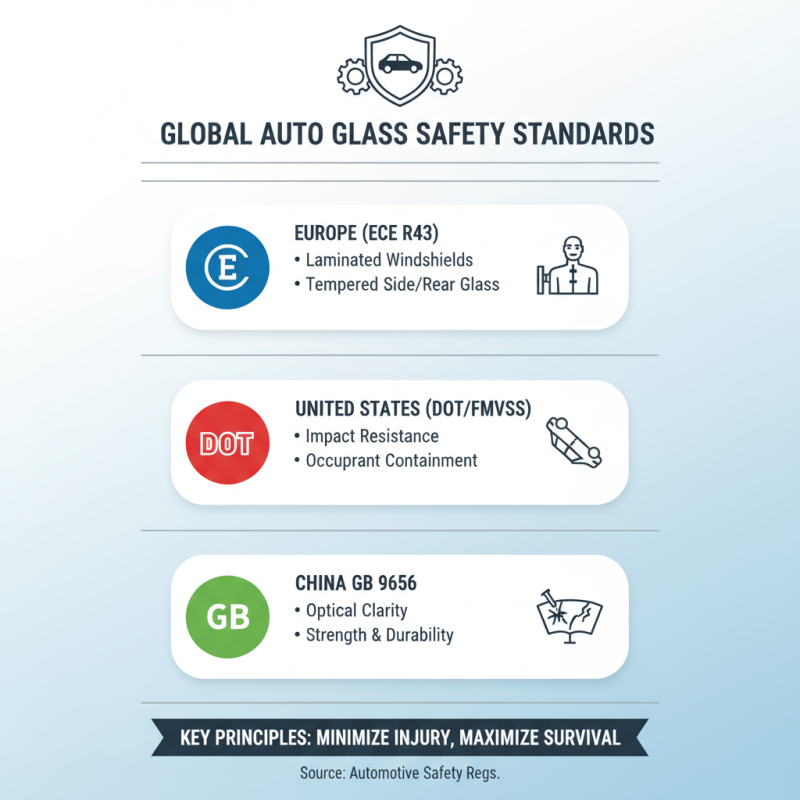
Moreover, the safety standards established by the American National Standards Institute (ANSI) and the Department of Transportation (DOT) emphasize the necessity for automotive glass to meet rigorous criteria for shatter resistance and durability. Using safe glass auto glass not only ensures compliance with these standards but also enhances the visibility and clarity for drivers, which is a significant factor in accident prevention. As the automotive industry evolves towards greater safety measures, the choice of auto glass should not be overlooked, as it is a critical component in protecting lives on the road.

Importance of Auto Glass in Vehicle Safety Standards
Auto glass plays a crucial role in maintaining vehicle safety standards, as it not only provides visibility but also contributes to the structural integrity of the vehicle. In the event of a collision, strong and safe auto glass can help prevent the roof from collapsing, protecting passengers inside. Additionally, advanced glass formulations are designed to withstand impact, ensuring that they do not shatter easily, which could result in injury from flying shards.
Moreover, auto glass is integral to the functionality of safety features such as airbags and driver assistance systems. The proper alignment and quality of the glass are essential to ensure that these systems operate correctly. Inadequate auto glass can compromise a vehicle's safety features, increasing the risk of accidents or severity of injuries in the event of a crash. Therefore, selecting high-quality, safe glass is paramount for upholding the necessary vehicle safety standards and ultimately safeguarding all occupants.
Understanding Different Types of Auto Glass Materials
When it comes to ensuring the safety of your vehicle, the type of auto glass you choose plays a crucial role. Auto glass primarily comes in two types:
laminated and tempered glass.
Laminated glass, which consists of two layers of glass with a vinyl interlayer, offers superior strength and impact resistance.
In fact, studies have shown that laminated glass can reduce the risk of injury by up to 70% in the event of an accident, providing an essential barrier against ejection and flying debris.
This makes it a preferred choice for windshields.
On the other hand, tempered glass is made through a process of extreme heating and rapid cooling, making it stronger than regular glass.
However, while tempered glass shatters into small, blunt pieces that are less likely to cause injury, it does not offer the same level of protection against impacts as laminated glass.
According to a report from the National Highway Traffic Safety Administration, around 33% of crash fatalities involve occupants being thrown from vehicles, highlighting the importance of using laminated glass in windshields to enhance passenger safety.
Furthermore, advancements in auto glass technology have led to innovations such as acoustic interlayers that reduce noise and UV filtering capabilities that protect occupants from harmful rays.
As the industry continues to evolve, selecting the right type of auto glass not only enhances safety but also improves overall driving comfort.
Understanding these materials and their protective qualities is essential for making informed decisions about your vehicle's glass.
Benefits of Using Safe Glass for Windshields and Windows
When it comes to vehicle safety, the choice of glass used for windshields and windows is paramount. Safe glass, specifically laminated and tempered glass, offers crucial advantages in protecting occupants during collisions. According to the National Highway Traffic Safety Administration (NHTSA), over 30% of injuries in auto accidents are related to glass breakage. Laminated glass, often used in windshields, is designed to hold together upon impact, significantly reducing the risk of ejection from the vehicle and maintaining the cabin's integrity.
Additionally, the use of tempered glass for side and rear windows provides enhanced durability and shatter resistance. As noted in a report by the Automotive Glass Replacement Safety Standards (AGRSS), tempered glass is four to five times stronger than standard glass, making it less likely to break easily under pressure. This not only protects passengers inside the car but also reduces the chances of sharp shards causing injury in the event of an accident. Overall, investing in safe glass solutions can directly correlate with improved safety outcomes, highlighting the essential role of glass choice in vehicle design and occupant protection.
Why Choosing Safe Glass for Auto Glass is Essential for Your Vehicle's Safety
| Attribute |
Benefit |
Impact on Safety |
| Impact Resistance |
Reduces risk of shattering |
Enhances driver and passenger safety during accidents |
| UV Protection |
Blocks harmful UV rays |
Protects occupants’ skin and eyes |
| Clear Visibility |
Enhances visibility in various conditions |
Reduces chances of accidents caused by poor visibility |
| Sound Insulation |
Minimizes road noise |
Improves driving experience, allowing full attention to the road |
| Shatter Resistance |
Maintains glass integrity when struck |
Protects passengers from flying glass shards |
How to Identify and Choose Safe Auto Glass Products
When selecting auto glass for your vehicle, safety should be your top priority. To ensure that the glass you choose meets safety standards, start by looking for products that comply with the relevant regulatory certifications. Look for labels or markings that indicate compliance with safety standards set by independent organizations. This not only guarantees that the glass has undergone rigorous testing but also provides peace of mind knowing it can withstand impacts and extreme conditions.
In addition to checking for certifications, consider the type of glass used. Laminated glass, for instance, is often safer than tempered glass because it holds together when shattered, reducing the likelihood of injury from flying shards. Furthermore, explore the features of the glass, such as UV protection and glare reduction, which can enhance your driving experience while adding an extra layer of safety. By carefully examining these factors, you can make informed decisions that contribute to your vehicle's overall safety.
Importance of Safe Auto Glass
This chart illustrates the importance of different factors related to safe auto glass. Each factor is rated on a scale from 1 to 10, highlighting the critical aspects to consider when choosing auto glass for your vehicle's safety.