How to Choose Sliding Glass Doors for Global Buyers 2026?
Choosing sliding glass doors for a global project in 2026 requires more than comparing frame colors or online prices. Climate, building use, installation quality, and after-sales support can change the result. A coastal villa may need corrosion-resistant hardware, while a cold-climate home may require low U-values and insulated frames. In a high-rise apartment, wind performance matters sharply. Small details matter.
Fenestration standards expert Ken Bland has emphasized, “A window is only as good as its installation.” That warning applies directly to sliding glass systems. A premium panel can still leak air or water when the sill is poorly leveled. Buyers should request tested air infiltration, water resistance, wind-load, thermal, and acoustic data. Ask which standard was used. Ask who installs the doors. Do not accept vague claims such as “international quality.”
Practical experience also reveals uncomfortable gaps. Product brochures rarely show how rollers perform after years of dust, salt, or repeated use. Some suppliers offer beautiful frames but weak replacement-part support. That can become expensive. Check roller materials, drainage paths, locking points, glass thickness, safety glazing, and warranty limits. Confirm dimensions in millimeters, not assumptions. Shipping damage is another risk. Require protective packaging and a documented inspection process.
This guide helps global buyers compare sliding glass doors with clearer judgment. It considers design, performance, compliance, logistics, maintenance, and long-term value. Perfect choices are rare. A thoughtful choice is still possible. When evidence is missing, pause before ordering.
Understanding Sliding Glass Door Types and Global Market Needs
How to Choose Sliding Glass Doors for Global Buyers 2026?
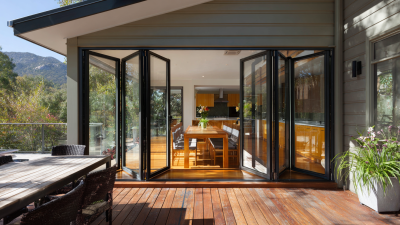
Sliding glass doors are not one universal product. Standard two-panel doors suit compact rooms and moderate traffic. Lift-and-slide systems support wider openings with smoother operation. Multi-panel and telescopic designs create larger clear views, but they need stronger structure and more installation space. Pocket doors disappear into the wall, although repairs can become difficult later.
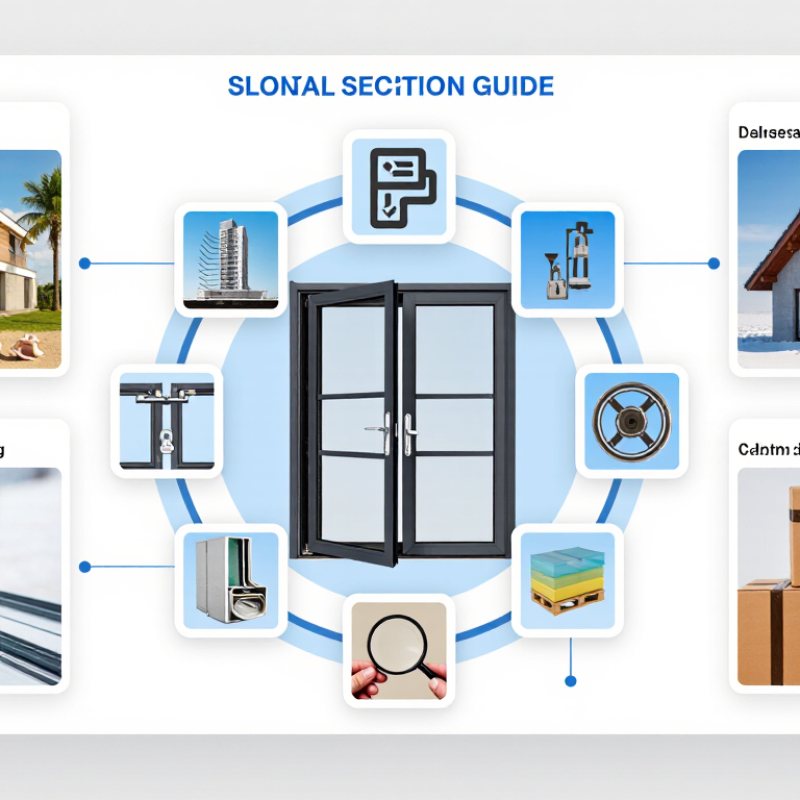
Climate changes the selection. In coastal areas, corrosion-resistant hardware and careful drainage matter. Cold regions need insulated glass, tight seals, and thermally improved frames. Hot climates may require solar-control glass to reduce indoor heat. High-wind locations need tested performance data. Always confirm local building requirements with a qualified professional.
Details
Small details affect daily use. A low threshold improves access, but poor drainage can cause water problems. Laminated or toughened safety glass can reduce injury risks when correctly specified. Buyers should check opening size, panel weight, handle position, replacement parts, packaging, and installation guidance before ordering. Acoustic performance also deserves attention near airports or busy roads. No system is perfect. A larger glass area may improve daylight while increasing cost and cleaning effort. A sample corner, not only a brochure, often reveals weak seals, stiff rollers, or an unsuitable finish.
Checking Safety, Security, Weather Resistance, and Durability
Choosing sliding glass doors for global projects requires more than comparing frame colors. Safety should begin with certified tempered or laminated glass, visible safety markings, and secure edge protection. Tempered glass reduces injury risks when broken, while laminated glass can remain attached after impact. Check the locking system, anti-lift features, handle strength, and track design. A door that looks secure may still be lifted from the outside.
Weather resistance depends heavily on location. Coastal homes need corrosion-resistant hardware and careful drainage. Cold regions need insulated frames, tight seals, and low air leakage. Hot climates require glass and finishes that tolerate strong sunlight without excessive heat gain. Ask for documented water, air, wind, and thermal performance tests. Local building requirements still matter, because one specification rarely suits every country.
Durability often appears in small details. Rollers should move smoothly under the door’s full weight, and replacement parts should remain available for years. Inspect corner joints, drainage holes, gaskets, and surface coatings before purchase. I once focused too much on glass thickness and overlooked poor roller adjustment. That mistake caused noise and uneven movement. Test it twice. Open the door repeatedly, check the lock under pressure, and inspect the seals after simulated rain. Clear technical documents and realistic warranty terms are stronger evidence than impressive photographs.
Matching Door Dimensions, Hardware, and Installation Requirements
How to Choose Sliding Glass Doors for Global Buyers 2026?
Door dimensions must match the finished opening, not the rough opening alone.
Measure width, height, wall depth, sill level, and available stacking space. Leave the manufacturer’s specified tolerance for shimming and expansion. A 10-millimeter error can create uneven rollers, air leakage, or difficult locking. Metric drawings help overseas projects, but installers should confirm local conversions.
Hardware deserves equal attention.
Select rollers according to the tested sash weight, not appearance. Stainless hardware suits coastal locations, while protected finishes may perform better in dry climates. Check lock height, handle reach, drainage paths, and replacement access. Small details matter. I have seen beautiful doors fail because the drainage outlet faced a finished floor.
Installation requirements should follow local wind, water, thermal, and safety-glazing rules.
The 2024 Global Status Report for Buildings and Construction states that buildings used 32% of global energy in 2022. The U.S. Department of Energy also notes that windows can represent 25–30% of household heating and cooling energy use. Therefore, specify low-emissivity glazing, compatible seals, and a thermally sound frame when climate demands it. Ask for tested air, water, and structural performance data. Site conditions still matter more than a brochure. A perfect schedule is rare. Recheck the opening after plaster, flooring, and exterior cladding are complete.
Comparing Suppliers, Certifications, Costs, and After-Sales Support
Choosing sliding glass doors in 2026 requires more than comparing catalog prices. The International Energy Agency’s Buildings 2023 report states that buildings used about 30% of global final energy in 2022. Therefore, buyers should examine glass performance, frame insulation, air leakage, and solar control, not only appearance. Ask suppliers for tested U-values, safety-glass evidence, and clear installation tolerances.
Supplier comparison should include ISO 9001 quality systems, ISO 14001 environmental practices, and relevant regional standards such as EN 14351-1 or NFRC testing. Certifications are useful, but documents can be outdated or incomplete. Request test reports, factory photographs, sample corners, and references from similar climates. A practical quotation must separate door panels, hardware, packaging, freight, taxes, installation, and replacement parts. The cheapest offer is often not the cheapest landed cost.
After-sales support deserves equal attention. Confirm warranty length, response times, spare-hardware availability, and procedures for damaged glass or roller failure. The World Bank’s Logistics Performance Index 2023 shows major differences in shipment reliability between markets, so delivery planning needs evidence, not promises. Require protective packaging details and an inspection process upon arrival. I would also test the locking system repeatedly before approval. Small oversights become expensive later. Some decisions remain uncertain, especially when local installers lack experience with imported systems. A written service agreement can reduce that risk, although it cannot replace careful supplier verification.