Why You Should Insulate Windows for Improved Energy Efficiency?
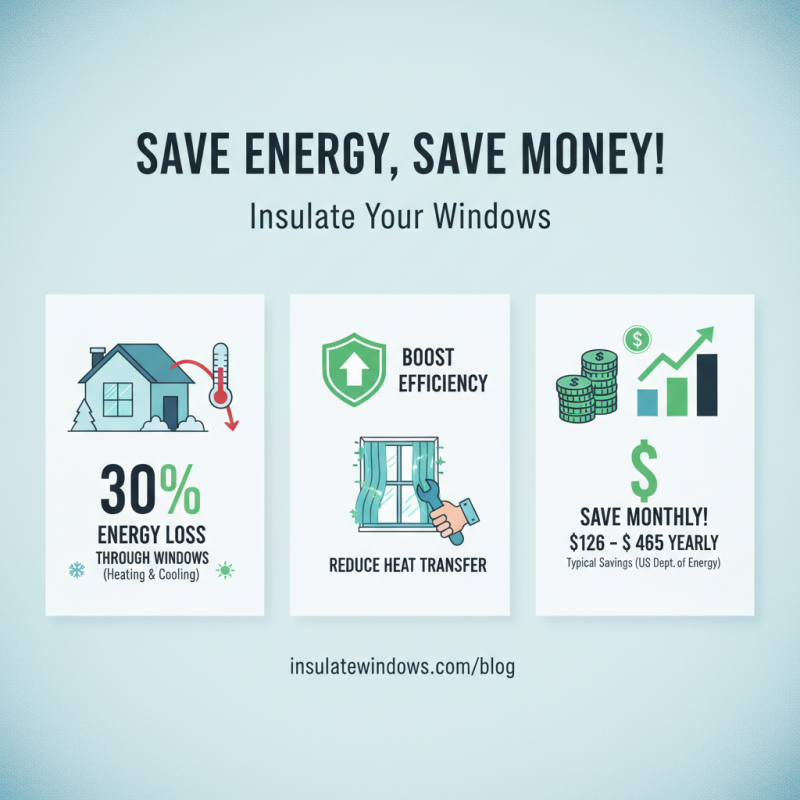
In today's world, energy efficiency is crucial. One often overlooked method to save energy is to insulate windows. Many homes lose a significant amount of heat through unsealed or single-pane windows. This can lead to higher energy bills. Studies show that up to 30% of heating energy escapes through windows.
Insulating windows can greatly improve energy conservation. It helps maintain a stable indoor temperature and reduces the need for heating or cooling. Some may think window insulation is costly or complicated. However, various options, such as window film or draft stoppers, are available. These options can be affordable and effective.
Furthermore, people might neglect this important step. It requires effort and some initial investment. The immediate benefits might not be visible. Yet, improved comfort and lower utility bills speak for themselves. Investing in window insulation can be a wise decision for both the environment and household budgets.

Understanding Energy Efficiency and Its Importance for Homes
Energy efficiency is crucial for modern homes. Proper insulation can drastically reduce energy costs. It helps maintain a comfortable temperature year-round. Inadequate insulation leads to heat loss. This translates to higher utility bills. Many homeowners underestimate this impact.
Understanding energy efficiency is not just about savings. It’s about sustainability too. Insulating windows reduces the energy needed for heating and cooling. Less energy use means a smaller carbon footprint. It also promotes a healthier environment. Some individuals struggle with this concept. They believe energy efficiency is expensive upfront. However, the long-term savings often outweigh initial costs.
Insulation choices can be overwhelming. There are various materials and methods available. Some options may not fit every home. Homeowners often need guidance to make informed decisions. That’s okay; it’s part of the learning process. In the end, prioritizing energy efficiency benefits everyone.
Why You Should Insulate Windows for Improved Energy Efficiency?
| Insulation Type |
R-Value |
Energy Savings (%) |
Installation Cost ($) |
Estimated Lifespan (Years) |
| Single-pane Window |
1 - 2 |
10% |
150 |
10 |
| Double-pane Window |
3 - 4 |
20% |
300 |
20 |
| Triple-pane Window |
5 - 6 |
30% |
450 |
30 |
| Low-E Coated Window |
4 - 5 |
25% |
400 |
25 |
| Insulated Window Film |
1 - 3 |
15% |
50 |
5 |
The Role of Windows in Home Energy Loss
Windows play a crucial role in home energy efficiency. They can account for significant energy loss, especially in poorly insulated homes. Heat can escape through gaps and cracks, making heating and cooling less effective. In winter, cold air seeps in. In summer, cool air escapes. This imbalance causes energy waste.
Tips: Start by checking for drafts around your windows. Use a simple candle test. If the flame flickers, you have a draft. Caulk any visible gaps to improve insulation. For an extra layer of protection, use weatherstripping on movable parts like sashes.
Choosing the right window treatments can also help. Thick curtains or thermal shades reduce heat loss. They act as a barrier against outside temperatures. Reflective window films are another option. They can reduce solar gain in the summer, keeping your home cooler.
It's easy to overlook window insulation. Many people concentrate on walls and roofs instead. But windows require attention too. Ignoring them can mean higher energy bills. Investing time in sealing and insulating your windows pays off in the long run.
Types of Window Insulation Solutions Available
Insulating windows can significantly improve your home's energy efficiency. There are various insulation solutions to consider. Each type has unique benefits tailored to different needs.
One popular method is window film. This thin layer can reduce heat transfer by up to 50%. It is easy to apply and can improve comfort in your home. Foam weatherstripping is another option. Properly installed, it can cut drafts by nearly 90%. Homeowners often overlook this simple solution.
For a more permanent fix, consider insulated window inserts. They add an extra layer of glass to your existing windows. Research shows these inserts can increase energy efficiency by 40%. However, installation can be tricky. Installation errors might lead to inadequate sealing. Choose a professional for best results. Each solution has its pros and cons. Evaluate them based on your specific needs and budget.
Benefits of Insulating Windows for Homeowners
Insulating windows can greatly enhance energy efficiency in a home. According to the U.S. Department of Energy, around 30% of heating and cooling energy is lost through windows. Proper insulation can reduce this loss significantly. Homeowners can save about $126 to $465 yearly, depending on the climate and window type.
Additionally, insulated windows provide better comfort. They minimize cold drafts in winter and keep homes cool during summer. A study by the Lawrence Berkeley National Laboratory suggests that insulated windows can decrease noise pollution by up to 70%. This can be especially beneficial for homes in noisy environments.
However, homeowners often overlook the installation process. Proper sealing is crucial. Even the best quality insulation fails if not installed correctly. Mistakes can lead to air leaks and increased utility bills. It's essential to consult professionals for accurate assessments. The upfront cost of insulation can be daunting, but the long-term savings and comfort often make it worth the investment.
Tips for Effective Window Insulation Installation and Maintenance
Insulating windows is essential for energy efficiency. Start by choosing the right materials. Foam, weather strips, and window film are popular choices. Each has specific benefits. For instance, foam can reduce heat loss by up to 50%. This is significant when considering energy bills.
Installation requires attention. Make sure windows are clean before applying insulation. Seal gaps properly. A tight seal can improve energy efficiency by around 20%. However, many DIY enthusiasts overlook these details. It is crucial to check for drafts regularly. Sometimes, what seems perfect may need a second look.
Maintenance matters just as much. Inspect your insulated windows annually. Look for wear and tear. Replace any damaged insulation promptly. Keeping windows well-insulated can lead to savings of 15% on heating costs. Yet, many homeowners wait too long to assess their insulation. Staying proactive is key.