What Is Insulated Glass and How Does It Work?
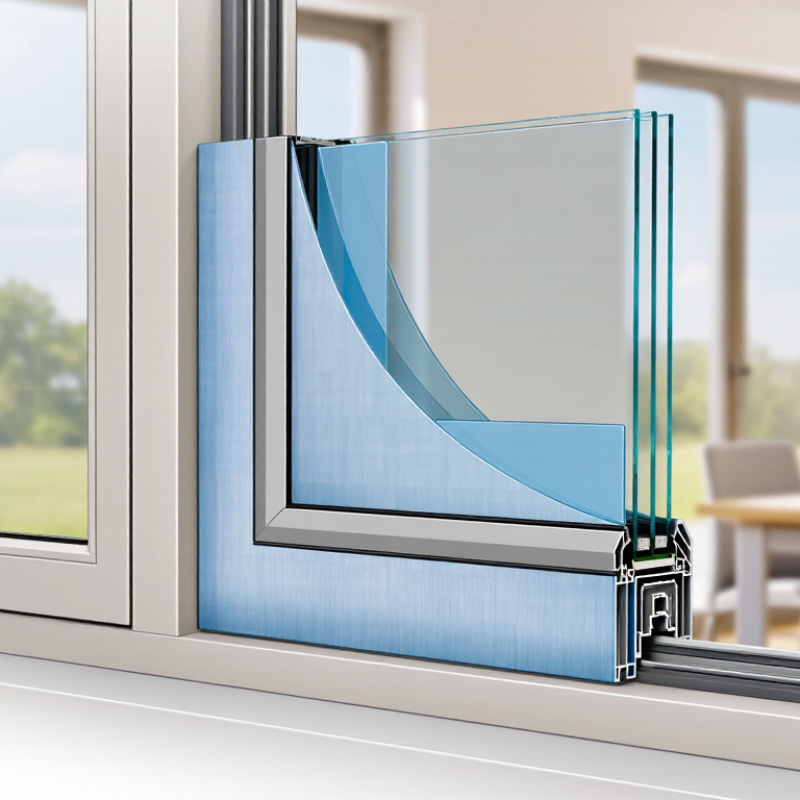
Insulated glass is not a single special pane. It is a sealed unit made from two or more panes, with a narrow space between them. That space usually contains air or an insulating gas, such as argon. A spacer holds the panes apart, while seals help keep the cavity intact. The result is a window assembly designed to slow heat transfer.
Building-science expert Dr. Joseph Lstiburek has said, “There is no such thing as a perfect wall.” His broader point is useful here: insulated glass can improve comfort, but it cannot solve every building problem. A low-emissivity coating can limit radiant heat flow. In winter, that may mean a warmer-feeling pane beside the kitchen table. In summer, it can help reduce unwanted solar heat, depending on the glass and its orientation.
Details matter. The frame, edge seals, installation, local climate, and shading all affect real-world performance. A failed seal may let moisture enter the cavity, leaving a cloudy film between panes. Not ideal. Nor does a higher-performing unit guarantee lower energy use if other parts of the building remain inefficient. This guide explains how insulated glass works, what its parts do, and which trade-offs deserve attention. The small space between panes does important work—but it is not magic.
What Insulated Glass Is and Where It Is Used
Insulated glass, often called an insulating glass unit (IGU), uses two or more panes separated by a spacer and sealed around the edges. The narrow cavity holds air or an insulating gas, such as argon. A low-emissivity coating may also reflect heat while allowing daylight through. That sealed gap matters. It slows heat transfer, but it does not make a window perfectly insulating. Frame quality, installation, and the condition of the edge seal also affect performance.
IGUs are common in homes, offices, schools, hospitals, and commercial façades. They suit places where indoor temperatures, comfort, or exterior noise matter, though sound reduction varies with pane thickness and spacing. The U.S. Department of Energy estimates that heat gain and loss through windows account for 25–30% of residential heating and cooling energy use. This figure helps explain why window performance deserves attention, but it is not a guaranteed saving for every building. Look for certified ratings such as U-factor and solar heat gain coefficient when comparing products. A practical detail is easy to miss: even good glass can underperform if its frame or installation is poor.
What Is Insulated Glass and How Does It Work?
Insulated glass uses two or more panes separated by a sealed space. The trapped air or gas slows heat transfer through the glazing.
Typical center-of-glass U-factor estimates in Btu/(h·ft²·°F). Lower values indicate less heat transfer. Actual performance varies with glass coatings, gas fill, gap width, and construction; whole-window ratings also include the frame.
The Main Layers and Components of an Insulated Glass Unit
An insulated glass unit (IGU) is made from two or more panes separated by a sealed cavity. The glass panes form the main barrier, while an optional low-emissivity coating reflects some heat without blocking all daylight. Between the panes, dry air or argon slows heat transfer. That gap matters. The U.S. Department of Energy estimates that heat gain and loss through windows account for 25–30% of residential heating and cooling energy use.
A spacer holds the panes apart and helps maintain an even cavity width. It often contains desiccant, a moisture-absorbing material that reduces condensation between the panes. Primary and secondary sealants help keep the gas fill in and outside moisture out. If the edge seal fails, fog or droplets may appear inside the unit. The glass can still look sound. That is the tricky part: a clear view does not prove the seal is intact.
Tips: Check the spacer edge and glass for between-pane haze, especially in cold weather. Ask for the unit’s U-factor and solar heat gain coefficient; these ratings help compare insulation and sunlight control. A gas fill may improve performance, but its benefit depends on the full assembly and installation. Even experts should avoid judging efficiency by pane count alone.
How Insulated Glass Units Are Made and Sealed
An insulated glass unit begins with two or more panes cut to size.
Their edges are ground, then the glass is washed and dried. A spacer frame is prepared with desiccant, a moisture-absorbing material that helps keep the cavity dry. Workers or automated equipment position the spacer between the panes, leaving a narrow, even gap.
Small details matter.
Dust or fingerprints near the edges can interfere with sealing, so clean handling is essential.
The unit’s perimeter is sealed in stages.
A primary seal, often butyl, blocks moisture and gas movement along the spacer. A tougher secondary seal helps hold the panes together and protects the edge assembly. Some units are filled with argon or another insulating gas before final closure. The exact materials and steps vary by design. Quality checks may include inspecting seal continuity, dimensions, and the appearance of the cavity.
A tiny void can become a weak point over time.
Production lines are precise, but not magical; careful handling and sound inspection still matter.
How Insulated Glass Reduces Heat Transfer and Condensation
Insulated glass uses two or more panes separated by a sealed cavity. The gap holds air or another insulating gas, slowing heat movement between indoors and outdoors. Heat also travels through the glass itself, so some units use a low-emissivity coating to reflect radiant heat. Small details matter. A well-designed spacer at the pane edges can reduce heat loss around the perimeter.
On a cold morning, the inner pane of an insulated window is usually warmer than a single pane would be. That warmer surface is less likely to fall below the dew point, when moisture in indoor air turns into droplets. The glass does not remove moisture from a room. If cooking, showers, or poor ventilation raise indoor humidity, condensation can still appear, often near the frame or edges. Not magic. Frame materials, installation, glass condition, and indoor humidity all affect performance. A foggy appearance between panes may indicate a failed seal, while moisture on the room-facing surface often points to humidity or ventilation. It is easy to blame the window alone, but the room’s moisture balance deserves a closer look.
Factors That Affect Insulated Glass Performance
Insulated glass performance depends on more than the number of panes. The sealed space between panes slows heat transfer, while its width and fill gas influence insulation. Argon is common; krypton can suit narrower cavities, but it usually costs more. A low-emissivity coating reflects some radiant heat while allowing visible daylight through. Placement matters. The coating’s position should match the unit’s design and local climate, rather than guesswork.
Spacers along the glass edge hold panes apart and affect heat loss near the perimeter. Warm-edge spacers can keep that area warmer, though they cannot prevent every condensation problem. The seal matters just as much. If moisture enters a failed unit, fogging may appear between panes, and insulating gas can gradually escape. Ask about the unit’s ratings and inspect its edges instead of relying only on a phrase such as “high efficiency.” That is easy to misjudge.
Local weather and installation change real-world results. In a cold room, a poorly fitted frame can leak air around capable glass. In sunny climates, solar heat gain may matter more than winter heat loss; glare and daylight also deserve attention. Bigger is not always better. A heavier triple-pane unit may improve comfort, yet require a frame designed to support its weight. Ratings help compare options, but exposure, workmanship, and maintenance still shape performance. Performance can also vary across one window, especially near its edges.