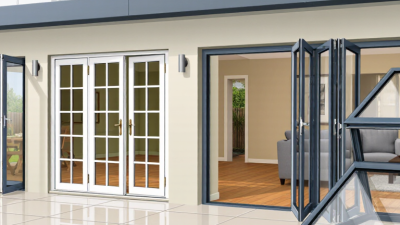
10 Patio Door Buying Tips for Global Buyers?
Choosing patio doors for an international project is not merely a matter of frame color or glass size. Climate, building orientation, security expectations, installation skills, and local standards can change the right decision.
The International Energy Agency’s 2023 Energy Efficiency Market Report states that buildings consume about 30% of global final energy. Doors and windows influence heating, cooling, daylight, and air leakage. Small specifications can create large operating differences. The U.S. Department of Energy also notes that windows can account for roughly 25% to 30% of residential heating and cooling energy use. Patio doors deserve similar attention, especially when large glazed areas face strong sun or winter winds.
Performance must be measurable. Look for U-factor, solar heat gain coefficient, air-leakage results, water resistance, and visible transmittance. The National Fenestration Rating Council explains that verified labels help buyers compare fenestration products using consistent ratings. Yet a label is not a guarantee of perfect performance. Installation still matters. A beautifully rated door can leak if the sill is poorly flashed or the opening is out of square.
This guide presents 10 patio door buying tips for global buyers, from material selection and glazing to shipping protection and after-sales support. It considers sliding, folding, and hinged systems. Some recommendations may not fit every market. That is the uncomfortable part. A specification successful in a dry coastal city may fail in a humid, storm-prone region. Confirm local requirements, test documentation, and installer capability before placing a large order. That step is easy to skip. It is also expensive to ignore.
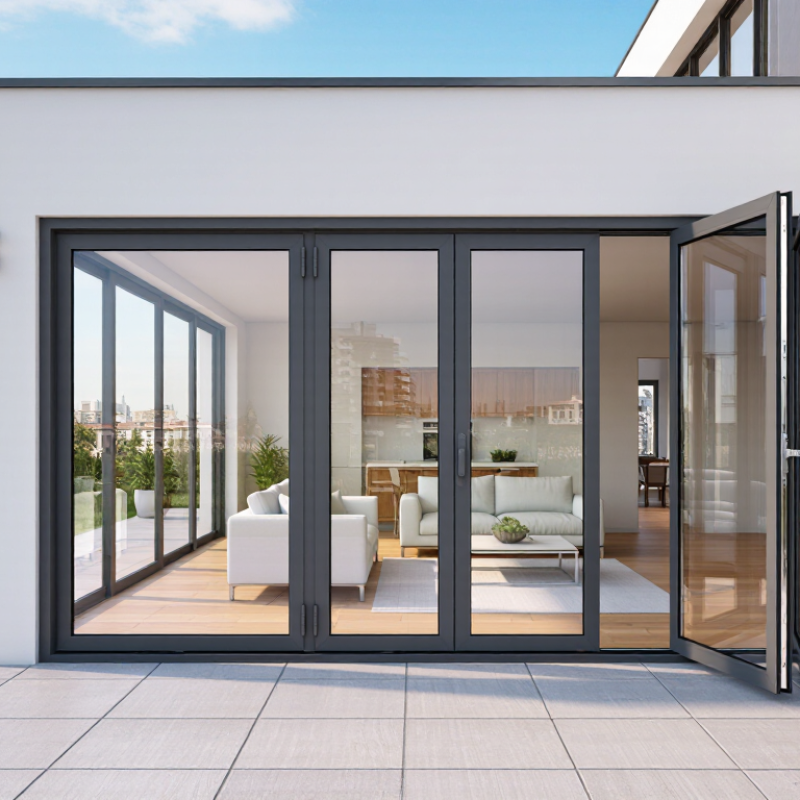
Define Your Patio Door Needs and Project Requirements
Before comparing patio door prices, define the opening, climate, and daily use.
Measure the rough opening, wall thickness, sill height, and available interior space. A three-panel door may look impressive, but it can reduce furniture clearance and complicate delivery. Check whether the room needs a sliding, folding, or hinged system. Children, older adults, pets, and wheelchair users may require a low sill and wider clear passage.
Energy performance also deserves precise attention. The U.S. Department of Energy reports that windows can represent 25–30% of residential heating and cooling energy use. Patio doors contain large glass areas, so glass coating, frame material, air sealing, and installation quality matter.
Ask for tested U-factor and solar heat gain coefficient values, as defined by the National Fenestration Rating Council. Lower U-factor generally improves insulation, while a suitable solar heat gain coefficient depends on climate and building orientation.
North-facing glass may need different performance from west-facing glass. Local building codes, wind loads, water resistance, and coastal corrosion risks must be confirmed before ordering. The 2021 International Building Code and regional energy codes may not match your project.
That detail is easy to overlook. I would also allow space for flashing, drainage, and future adjustment; a perfect-looking door can still leak when the installation plan is rushed.
Evaluate Energy Efficiency, Glazing, Security, and Durability
10 Patio Door Buying Tips for Global Buyers?
Evaluate Energy Efficiency, Glazing, Security, and Durability
A patio door should match the local climate, not just the room’s appearance. In cold regions, compare the whole-door U-value, not only the glass rating. Lower values usually mean better insulation. In hot, sunny areas, check solar heat gain control and visible light transmission. I have seen attractive doors create uncomfortable rooms because the frame was ignored. Air leakage matters too. Ask for tested performance data and installation guidance.
Glazing deserves careful attention. Double glazing may suit mild climates, while triple glazing can help in colder zones. Low-emissivity coatings reduce unwanted heat transfer. Argon-filled units can improve insulation when sealed correctly. However, performance depends on spacer quality and installation. A perfect specification on paper can disappoint beside a poorly sealed opening. Check condensation resistance, especially near kitchens, bathrooms, or coastal air.
Security should include a strong frame, reliable hinges, and a multi-point locking system. Laminated glass can resist impact better than ordinary glass and may remain attached after breakage. Look for corrosion-resistant hardware in humid or salty locations. Durability also depends on drainage, threshold design, and replacement parts. Confirm the door has been tested for repeated operation and weather exposure. I would not trust vague claims such as “all-weather.” Request measurable test results, maintenance instructions, and a realistic warranty. Installation quality is easy to underestimate. That mistake can be expensive.
10 Patio Door Buying Tips for Global Buyers: Compare Glazing Energy Efficiency
The chart shows typical center-of-glazing U-factors for common patio door configurations. Lower U-factor means less heat transfer and generally better insulation. Actual whole-door performance depends on the frame, spacer, installation quality, climate, and certified product test results.
U-factor unit: W/m²·K. Values shown are representative industry ranges converted to indicative midpoint values; verify the certified whole-door U-factor before purchasing.
Check Measurements, Installation Conditions, and Local Regulations
10 Patio Door Buying Tips for Global Buyers
Accurate measurements are the foundation of a successful patio door order. Measure the opening at the top, middle, and bottom, then compare the smallest width. Check height at both sides. Record wall thickness, floor level, and the direction of operation. A few millimetres can change the installation plan. I have seen attractive doors delayed because the finished floor was ignored.
Tip: Measure after removing trim when possible. Leave space for shims, drainage, and minor building movement. Do not assume an old opening is square. Use a spirit level and document every measurement with photographs. This feels slow, but reordering is slower.
Installation conditions also vary by climate and construction method. Inspect the sill for water damage, uneven masonry, or weak fasteners. Coastal areas may require stronger corrosion resistance, while windy regions can need tested pressure ratings. Confirm whether the wall can support the frame and glass weight. Local regulations may specify safety glazing, thermal values, ventilation, accessibility, emergency escape, or maximum door sizes. Permit requirements can differ between cities, even within one country.
Tip: Ask a qualified local installer to review the opening before purchase. Request written confirmation of required documents and performance ratings from the supplier. I would not rely only on an online checklist; it may miss a regional rule or an unusual structural condition. That uncertainty deserves attention.
Review Suppliers, Costs, Warranties, Shipping, and After-Sales Support
For global patio door buyers, supplier review should begin beyond catalog photos. Ask for the factory address, production capacity, export references, and recent quality records. Request a sample corner, not only a full-size display. Check frame joints, roller movement, drainage holes, and glass labels under ordinary light. A polished website proves little. It happens. Compare at least three written quotations with identical specifications. Include frame material, glass build, finish, hardware, screens, packaging, and destination terms. The cheapest offer often excludes installation guidance or protective crating.
Calculate landed cost before approving the order. Add tooling, inland transport, ocean or air freight, insurance, import charges, storage, and local delivery. Ask whether prices remain fixed for a defined period. Exchange-rate changes can quietly damage a project budget. A small spreadsheet helps. Warranty terms need equal attention. Confirm coverage length, excluded damage, labor responsibility, replacement procedures, and response times. Ask for examples of accepted claims. A ten-year frame warranty may cover almost nothing if rollers and seals are excluded.
Shipping details deserve practical testing. Confirm carton dimensions, pallet limits, moisture protection, loading photos, and inspection procedures before dispatch. Require tracking documents and clear responsibility for transit damage. After-sales support should operate across time zones, with spare rollers, handles, seals, and adjustment instructions available. Test the support channel before payment. Send one technical question. Slow replies are evidence. I would also request a written installation guide, although some suppliers provide vague diagrams. That gap can become expensive when a door arrives with a perfect finish but an unusable opening size.