Ultimate Guide to Patio Door Installation Tips and Tricks for Homeowners
When it comes to enhancing your home’s interior and exterior appeal, few projects can match the transformative power of a well-executed patio door install. Patio doors not only serve as functional access points to your outdoor spaces but also provide an opportunity to flood your interiors with natural light. For homeowners looking to undertake this rewarding installation process, having a reliable guide can make all the difference.
In this ultimate guide, we will explore essential tips and tricks that will help you navigate the complexities of patio door installation. From selecting the right materials to understanding the necessary tools and techniques, this guide aims to equip you with the knowledge needed for a successful project. Whether you're a seasoned DIY enthusiast or a first-time installer, our insights will ensure that your patio door install is efficient and meets your design specifications. Embrace the journey of creating a seamless transition between your home and outdoor living area with these expert recommendations.

Essential Tools and Materials Needed for Patio Door Installation
When preparing for patio door installation, having the right tools and materials is crucial for a successful project. Start with essential hand tools such as a tape measure, level, and square, which help ensure accurate measurements and proper alignment during installation. Additionally, a utility knife will be needed for cutting materials, while a hammer and pry bar assist in removing the old door and making necessary adjustments. A cordless drill is also vital for securing screws and fasteners, making the process more efficient and seamless.
Beyond tools, gathering the necessary materials ahead of time is equally important. This includes the patio door itself, which comes in various styles and sizes, along with a suitable frame if you're replacing an entire unit. Waterproof flashing tape and caulk are essential for weatherproofing the door, preventing leaks and drafts. Don't forget about insulation materials, as they help enhance energy efficiency once the door is installed. Finally, safety gear like gloves and goggles should not be overlooked, as they ensure your protection throughout the installation process. Having these elements on hand will make your patio door project much more manageable and enjoyable.
Patio Door Installation Tools and Materials Usage
Step-by-Step Guide to Measuring Your Patio Door Opening Accurately
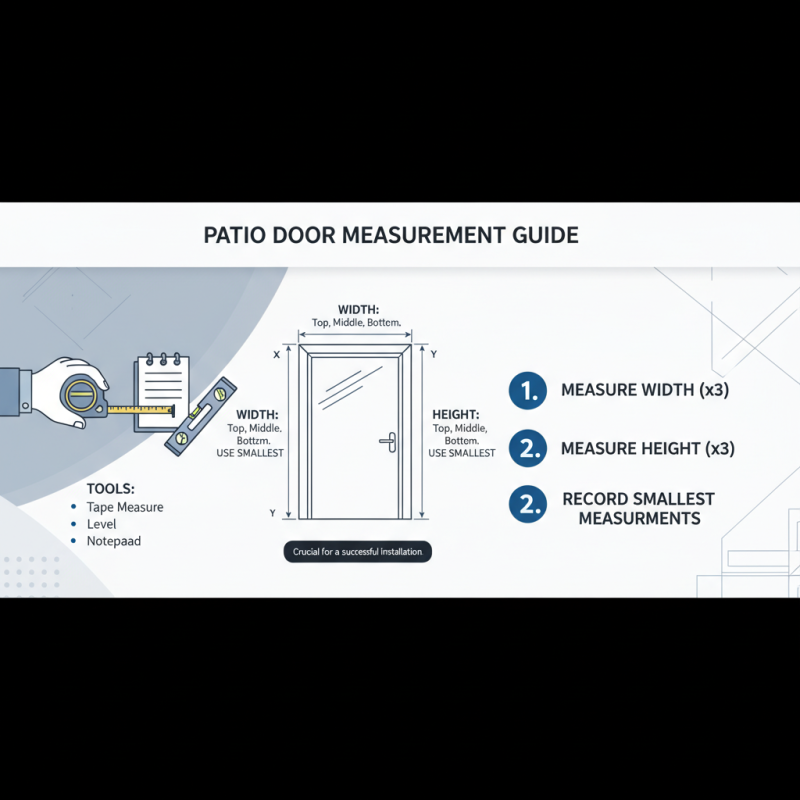
Measuring your patio door opening accurately is crucial for a successful installation. Begin by gathering the necessary tools: a tape measure, a level, and a notepad for recording your measurements. Start by measuring the width of the opening at the top, middle, and bottom. Take the smallest of these three measurements, as it will ensure a snug fit for your new door. Next, measure the height in the same manner—top, middle, and bottom—again using the smallest figure for accuracy.
Additionally, assess the depth of the opening, which can influence the type of door you choose, especially if you require a specific frame depth. It’s also important to check for any irregularities in the opening. A level can help you determine if the sides are plumb or if the bottom is even, which is vital for installation. Before finalizing your measurements, double-check them and take note of any uneven surfaces or obstructions that could affect installation. Taking the time to measure correctly will save you headaches down the line and ensure your new patio door operates smoothly and efficiently.
Preparing Your Home: Removing Old Doors and Cleaning the Area
Before diving into the installation of your new patio doors, it's essential to prepare your home by safely removing the old doors and ensuring the area is clean and ready for the new addition.
Begin by gathering the necessary tools such as a pry bar, screwdrivers, and a utility knife.
Carefully detach any trim around the old doors to avoid damaging the surrounding wall. Once the trim is removed, take the time to unscrew and lift out the old door, ensuring that you do so while supporting it adequately to prevent any injury or damage to your home.
Once the old doors are out, focus on cleaning the area. Remove any debris, dust, or leftover materials from the door removal process. This not only provides a clean slate for the installation but also gives you a chance to inspect the condition of the frame and surrounding walls for any necessary repairs. If you notice issues like rot or damage, addressing them now will save you future headaches.
Ensuring that the area is properly cleaned and prepared will facilitate a smoother installation of your new patio doors, creating a seamless transition to your outdoor space.
Installing the New Patio Door: Tips for a Secure Fit
When installing a new patio door, ensuring a secure fit is paramount to both functionality and energy efficiency. Industry studies indicate that improperly installed doors can lead to a significant increase in energy costs, with estimates suggesting homeowners might face up to a 30% rise in their heating and cooling bills due to drafts and leaks. To combat this, one of the first steps is to measure the rough opening accurately. According to the American Society of Home Inspectors, the width and height of the opening should be measured at three different points to determine the most consistent dimensions for your new door. This meticulous measurement helps to identify any irregularities that could affect the door's alignment.
Additionally, proper sealing is crucial for maintaining a secure fit. The National Fenestration Rating Council underscores the importance of high-quality weatherstripping and caulk to prevent air and water infiltration. It’s recommended to employ foam or silicone-based sealants, which can expand and contract with temperature changes, providing flexibility and durability. Furthermore, ensuring that the door is level and square during installation will contribute greatly to its longevity and effectiveness. According to the American Architectural Manufacturers Association, a well-aligned door not only enhances performance but can also extend the lifespan of the door by up to 15% by reducing wear on the components. By following these tips, homeowners can achieve a secure, energy-efficient patio door installation.
Ultimate Guide to Patio Door Installation Tips and Tricks for Homeowners
| Tip / Trick |
Description |
Importance Level |
| Measure Accurately |
Ensure precise measurements of the opening for the perfect fit. |
High |
| Check Weather Stripping |
Inspect and replace weather stripping to prevent drafts. |
Medium |
| Use a Level |
Check that the door is level for smooth operation. |
High |
| Secure the Frame |
Ensure the frame is properly secured to avoid movement. |
High |
| Install Locks |
Install sturdy locks for enhanced security. |
Critical |
| Test Operation |
Open and close the door multiple times to ensure proper function. |
Medium |
| Consider Energy Efficiency |
Choose doors with good insulation and low-E glass for energy savings. |
High |
Finishing Touches: Weatherproofing and Sealing Your Patio Door
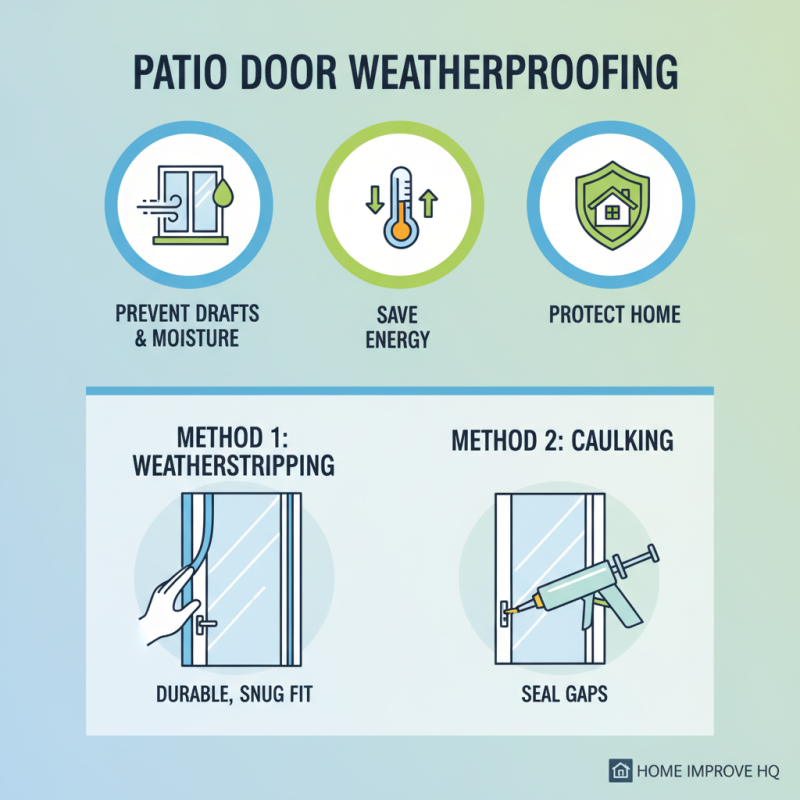
When installing a patio door, one key aspect that homeowners must focus on is weatherproofing and sealing. Proper sealing prevents drafts and moisture from entering your home, which can lead to energy loss and potential damage. One effective method is to use weatherstripping around the door frame. Opt for durable materials that can withstand temperature fluctuations, ensuring a snug fit. Additionally, caulking the edges where the door meets the frame can fill in any gaps that might allow air or water to penetrate.
Tips for effective sealing include choosing the right type of weatherstripping for your specific needs, whether it’s adhesive, foam, or reinforced vinyl. Before application, clean the surfaces to ensure a strong bond. Furthermore, when applying caulk, make sure to use a caulking gun for precision and smooth application, filling all visible spaces thoroughly. Always check for any movement or misalignment in the door, as even small discrepancies can compromise your sealing efforts.
Lastly, consider installing a door sweep at the bottom of the patio door. This additional barrier will help to block drafts and keep moisture out, enhancing your home’s insulation. Regularly inspect your weatherproofing measures, especially after severe weather changes, to maintain optimal protection and comfort year-round.