
What Are the Different Types of Patio Doors?

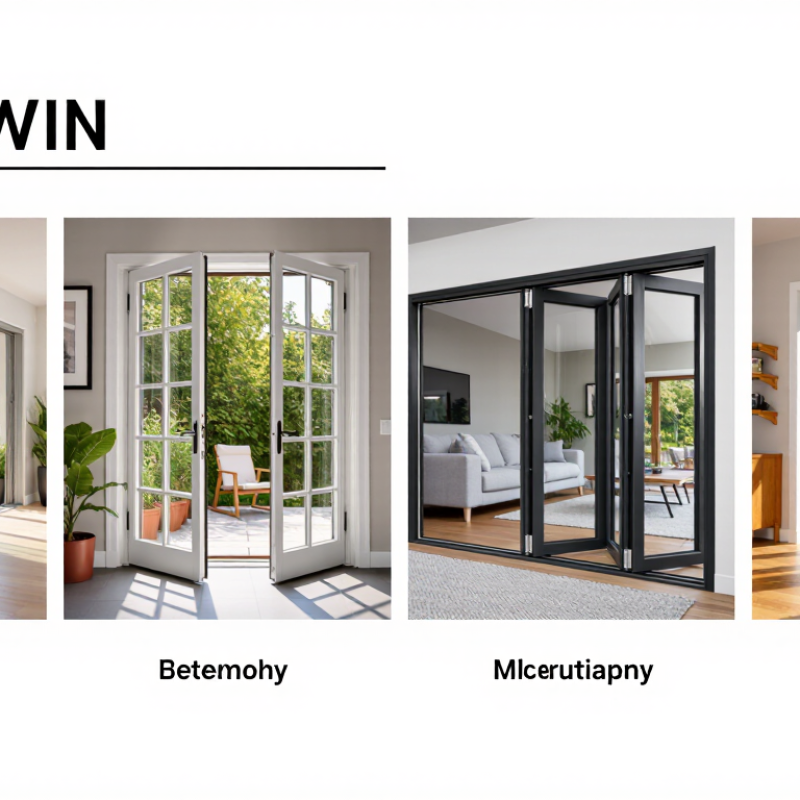
Patio doors do more than connect a home with a deck, garden, or balcony. They shape how daylight enters, how people move between rooms, and how much wall space remains for furniture. The main options include sliding, hinged French, bifold, and multi-slide doors. Each works differently. Sliding doors travel along a track and need little indoor clearance. French doors swing open, so they need room for their panels. Bifold doors fold to one or both sides, creating a wide opening. Multi-slide systems can move several large panels, though their tracks and installation needs may be more involved.

There is no single best choice for every home. A narrow patio may favor a sliding design, while a broad opening could suit folding panels. Measure the opening and nearby furniture before comparing styles. Check the threshold, track, frame, glass, and weather seals, too. These details affect daily use, cleaning, comfort, and the view outside. A door that looks elegant in a showroom may feel awkward when a chair blocks its swing. That matters.

This guide explains how common patio doors differ and what to consider before choosing one. It also looks at practical trade-offs, such as ventilation, available space, maintenance, and the size of the opening. Product features vary by manufacturer, so specifications deserve a close read. And preferences can change after living with a design. A careful comparison helps narrow the options without pretending one style suits everyone.
What Are the Different Types of Patio Doors?

Sliding Patio Doors and How Their Panels Move

Sliding patio doors move horizontally along a sill track, rather than swinging into the room or onto the deck. In a common two-panel design, one panel stays fixed while the other rolls past it. Multi-panel systems may let several panels slide and stack at one side; pocketing designs move panels into a wall cavity. The opening feels generous. But panel count alone does not guarantee a wider clear passage: fixed panels and frame widths still take up space.

Movement depends on rollers, track condition, panel weight, and installation alignment. In practical terms, grit in the track can make a door drag, while a slightly uneven frame may cause sticking or uneven gaps. The U.S. Department of Energy estimates that windows account for about 25–30% of residential heating and cooling energy use through heat gain and loss. That figure is not specific to patio doors, but it shows why glazing and sealing matter. The National Fenestration Rating Council’s label reports U-factor and solar heat gain coefficient, useful measures when comparing glazed doors. Check both, along with the door’s air leakage information. A smooth glide is important, of course, but it is not the whole story. A door that moves easily can still feel drafty.

Hinged Patio Doors, Including French and Single-Panel Styles

Hinged patio doors open on side-mounted hinges, creating a familiar, full-width passage to a deck or garden. French doors usually have two panels, with one or both designed to open. Their broad glass area can bring daylight into a room, while the central meeting point may need careful weather sealing. A single-panel hinged door uses less wall space and often suits a narrow opening. It still needs room to swing.

Before choosing, check where the door will travel. An inward-swinging panel can hit a dining chair; an outward-swinging one may conflict with steps or a small patio. Measure the opening and the clear floor area, not just the door itself. Threshold height matters, too, especially when moving a stroller or serving tray outside. Small details count.

Tips: Tape the planned swing arc on the floor and walk through it with furniture in place. Check that handles remain reachable and the latch closes smoothly. For French doors, ask how the secondary panel is secured. A tight fit helps reduce drafts, but installation conditions can affect performance. I would not judge the seal by appearance alone; test operation after installation, and revisit adjustments if the panels rub or leave uneven gaps.

Folding Patio Doors and Bifold Panel Systems

Folding patio doors, often called bifold panel systems, connect several hinged panels along a track. When opened, the panels fold and stack at one side or both ends, creating a broad passage to a patio. This can make a dining area feel more open on mild days. The panels may have glass, so check how much daylight and privacy your room needs. A wide opening is appealing, but the folded stack still takes up wall space.

Good planning matters. Measure the opening carefully and consider the floor track, threshold, and nearby furniture. A flush threshold can ease access, but drainage and weather sealing need attention. Ask a qualified installer to check that the frame and surrounding structure can support the door. Tracks can collect grit. They need regular cleaning, and the seals may need inspection over time. These doors are useful, not maintenance-free.

Tips: Before choosing a layout, mark the panels’ folding path with tape. Check whether handles, curtains, or outdoor furniture will obstruct it. Think about wind exposure, too; a large glazed opening can lose warmth if poorly fitted. Small details are easy to miss. I would compare sample thresholds in person, since drawings rarely show how they feel underfoot.

Multi-Panel Patio Doors: Stacking, Telescoping, and Pocket Designs

Multi-panel patio doors create a wider opening by moving several panels along a track. Stacking systems gather panels at one side, leaving a visible stack beside the opening. Telescoping designs move panels in sequence, often creating a broad opening with a smaller stack. Pocket systems slide panels into a wall cavity for a nearly unobstructed view. On a sunny afternoon, that difference is easy to see: stacked glass remains at the edge; pocketed glass disappears. But pocket doors need space inside the wall and careful planning around wiring, structure, and finishes.

The 2024 U.S. Houzz & Home Study reported a median renovation spend of $24,000 in 2023. That figure covers many project types, not patio doors specifically, but it highlights why sizing and installation details matter. Before choosing, check the manufacturer’s tested opening limits and the National Fenestration Rating Council label for U-factor and solar heat gain coefficient. A wider glass area can brighten a room, yet it may also increase heat gain or heat loss. Pocket designs can be especially demanding to seal and service. Sleek, yes—but not automatically the best fit.

Tips: Measure the clear opening, not just the frame. Ask how panels stack, where water drains, and whether screens can span the opening. Test the handle and panel movement in person. Track quality matters more than it first seems.

FAQS

How do sliding patio doors open?

Their panels move horizontally along a sill track. In many two-panel designs, one panel stays fixed while the other rolls past it.

Do more panels create a wider opening?

Not necessarily. Fixed panels and frame widths still reduce the clear passage. Measure the usable opening, not just the panel count.

What can make a sliding door stick?

Grit in the track, heavy panels, or poor alignment can cause dragging. A slightly uneven frame may also create gaps. Small details matter.

What should I check when comparing glazed patio doors?

Compare the U-factor, solar heat gain coefficient, and air leakage information. A smooth glide feels good, but it does not guarantee a draft-free room.

How do folding patio doors work?

Hinged panels travel along a track, then fold and stack at one or both ends. They can create a broad passage, though the folded panels take up wall space.

What should I measure before choosing folding doors?

Measure the opening and mark the folding path with tape. Check nearby curtains, handles, furniture, and the floor track. Easy to overlook.

Is a flush threshold always the best choice?

It can make access easier, but drainage and weather sealing need careful attention. Compare threshold samples in person; drawings may not show how they feel underfoot.

Do patio doors need regular maintenance?

Yes. Clean track grit and inspect seals over time. Ask a qualified installer to check the frame and surrounding structure, especially for a large glazed opening.