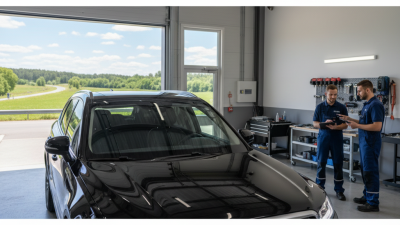
What Are the Top Car Windshields for Global Buyers in 2026?
Choosing the best car windshields for global buyers in 2026 requires more than comparing prices. A windshield protects occupants, supports roof strength, filters ultraviolet light, and affects camera-based safety systems. It must also fit the vehicle precisely. A cheaper option may create wind noise, distortion, or calibration problems.
Auto glass safety specialist Bob Beranek puts it plainly: “A windshield is a safety device, not just a piece of glass.” That principle guides this review. We examine laminated glass quality, optical clarity, acoustic performance, solar control, sensor compatibility, and installation support. We also consider climate and road conditions. A windshield suited to northern winters may not perform equally well in tropical heat.
Global buyers face uneven product descriptions. Some suppliers list glass thickness clearly, while others provide limited technical data. That gap deserves attention. Original-equipment glass is not automatically the best choice, and aftermarket glass is not automatically inferior. Manufacturing consistency, certification, correct specifications, and installer experience matter more.
This guide compares leading car windshields across practical buying situations. It considers family vehicles, luxury cars, electric models, commercial fleets, and replacement markets. We will highlight strengths, weaknesses, and trade-offs. No ranking can replace professional inspection. A small mismatch around a forward camera can become a serious safety concern. In some cases, even a strong product is the wrong choice without proper installation and recalibration.
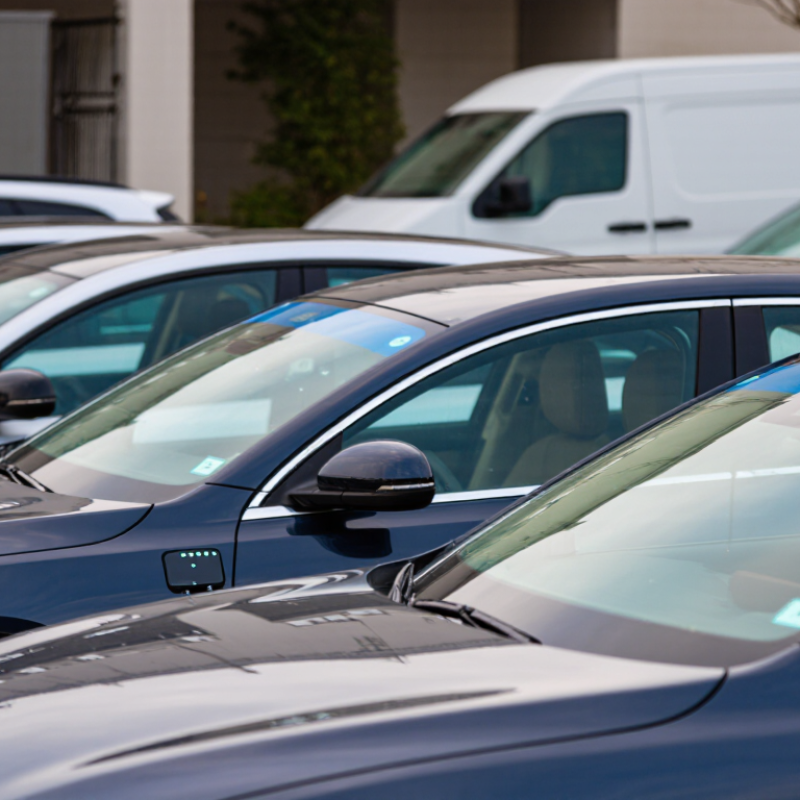
Types of Car Windshields Available to Global Buyers in 2026
In 2026, global buyers can choose from several car windshield types. The standard laminated windshield remains the practical option for daily driving. It uses two glass layers with an inner plastic layer. If damaged, it usually cracks instead of scattering sharp fragments. This structure also reduces wind noise and helps protect occupants during collisions.
Acoustic laminated glass adds a quieter cabin for long-distance drivers. Its special inner layer limits engine, tire, and road noise. Solar-control glass can reduce heat and ultraviolet exposure inside the vehicle. It may improve comfort in hot climates, but performance depends on tint, glass design, and installation quality. Heated windshields use fine conductive elements to clear frost quickly. They suit cold regions, although replacement costs can be higher.
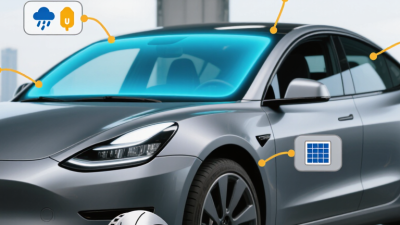
Some newer windshields support head-up displays, rain sensors, cameras, or advanced driver-assistance systems. These versions need exact optical quality and accurate mounting points. A small distortion can affect displayed information or camera calibration. Fitment is unforgiving. Buyers should match the glass with the vehicle’s year, body style, sensor layout, and driving position. I have seen buyers focus on price and overlook calibration requirements. That assumption can fail. Imported vehicles may also use different glass shapes or connector designs. Checking technical drawings, certification details, and installer experience is more reliable than judging appearance alone.
Key Safety and Performance Features of Modern Windshields
What Are the Top Car Windshields for Global Buyers in 2026?
Modern windshields must protect occupants and support electronic safety systems. Laminated glass helps retain fragments during impact. It can also reduce wind noise and ultraviolet exposure. The 2023 WHO Global Status Report estimated 1.19 million annual road deaths worldwide. That figure keeps basic impact protection highly relevant. UNECE Regulation No. 43 and NHTSA FMVSS 205 define important glazing requirements. Buyers should check certified compliance, not only appearance.
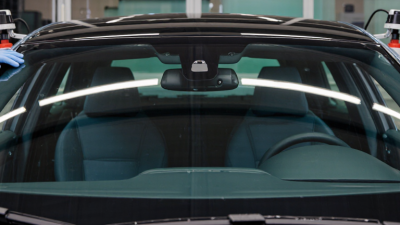
Optical clarity matters more than many people expect. Distorted edges can strain the driver’s eyes, especially during night driving. A windshield with an accurate camera bracket supports lane assistance and emergency braking systems.
Replacement work may require electronic recalibration. Poor alignment can create warning messages or delayed intervention. Head-up display compatibility also needs precise glass geometry.
I have seen small fitting errors create visible image doubling. Specifications can look impressive, yet installation quality remains the weak point.
Tips: Ask for the glass certification, acoustic rating, camera position, and recalibration procedure. Check the viewing area under direct sunlight. Avoid assuming darker glass always improves comfort. Solar-control layers may reduce heat, but they can affect antenna or display performance. The Insurance Institute for Highway Safety continues to evaluate crash-avoidance technologies, reminding buyers that windshield performance now connects directly with sensor performance. Some market claims remain difficult to compare. A transparent test report is better than a perfect-sounding promise.
How to Compare Windshield Materials, Designs, and Technologies
Global buyers should compare windshields by material, construction, and real driving conditions. Most modern windshields use laminated glass, with a flexible interlayer between two glass sheets. This structure helps contain cracks and reduces injury risk during impact. Tempered glass belongs mainly in side or rear windows, not the primary windshield. Acoustic interlayers can soften tire noise, while solar-control layers reduce heat entering the cabin. These benefits matter in daily use.
Design details deserve close inspection.
A windshield may include a shaded upper band, rain sensors, heating elements, or a head-up display area. Each feature changes optical performance and installation requirements. Distortion near the driver’s sightline is unacceptable. Look through the glass from different angles, especially around curved edges. Small visual waves may seem harmless at first. They can become tiring on long journeys.
Technology creates another comparison point. Vehicles with cameras behind the windshield require accurate mounting zones and post-installation calibration. Check whether the glass matches the vehicle’s sensor layout, camera bracket, and display projection area. Climate also matters: heated glass suits cold regions, while solar-control glass helps in intense sunlight. Field inspections often reveal poor fitting, not poor glass, as the real problem. Choose documented testing, traceable specifications, and trained installation. I would not judge quality by thickness alone. That shortcut has failed me before. A thinner, well-designed windshield may perform better than a heavier, poorly matched one.
Regional Standards and Compatibility Factors for International Buyers
For global buyers in 2026, the best car windshield is not simply the clearest glass. It must match regional safety standards and the vehicle’s original design. European vehicles commonly require ECE R43 approval, while vehicles sold in the United States follow federal glazing requirements. Other markets may use national certification marks, including standards in China, Japan, or Australia. Check the permanent glass marking, not only the seller’s description.
Compatibility requires careful measurement. Confirm the vehicle identification number, model year, body style, and steering position. A windshield may also include a rain sensor, heating elements, acoustic layers, tint bands, or a head-up display area. Small differences matter. The camera bracket must align precisely with advanced driver-assistance systems. Even a few millimeters can affect calibration and image recognition.
Installation quality is equally important. Ask for technical drawings, certification records, and calibration instructions before ordering. A professional installer should inspect the frame for corrosion and use approved bonding materials. In cross-border sourcing, I have seen buyers trust photographs too quickly. That shortcut can create expensive returns. I also think catalog data is not always perfect. Some listings omit sensor details or confuse production dates. Recheck every specification with the vehicle manual and a qualified local technician. Weather, road conditions, and replacement-part availability should influence the final choice.
Choosing the Best Car Windshield for Different Driving Conditions
What Are the Top Car Windshields for Global Buyers in 2026?
Choosing the Best Car Windshield for Different Driving Conditions
A reliable car windshield should match the road, climate, and driver’s daily habits. For hot regions, choose laminated glass with strong ultraviolet filtering and stable heat performance. Dark dashboards can otherwise become painfully hot beneath direct sunlight. In dusty areas, surface quality matters more than appearance. A smoother finish helps wipers remove fine grit without dragging across the glass. Check the viewing angle from the driver’s seat. Small distortions near the edges can become tiring during long trips. They are easy to miss in a showroom.
Rainy routes need clear water shedding and dependable visibility after repeated wiper use. Laminated construction can also reduce cabin noise during heavy rain and highway travel. In cold climates, select glass suited to rapid temperature changes. Never pour hot water onto an iced windshield. It may crack suddenly. Drivers on gravel roads should consider stronger impact resistance, while still checking optical clarity. A windshield that survives one stone but creates glare is not a good choice. Professional fitting remains essential. Even quality glass can leak, whistle, or sit unevenly after careless installation.
For vehicles with cameras or sensors near the windshield, replacement requires precise positioning and calibration. Ask how alignment will be verified, not merely whether the glass fits. This question reveals practical competence. Buyers often focus on thickness and forget the seal, edge finish, and visible-light clarity. That oversight is understandable, but expensive to correct later. Inspect the glass in daylight, with headlights behind you if possible. Look for waviness, bubbles, scratches, or a faint rainbow effect. No windshield is perfect.