What Are the Top Insulated Glass Panels for Global Buyers?

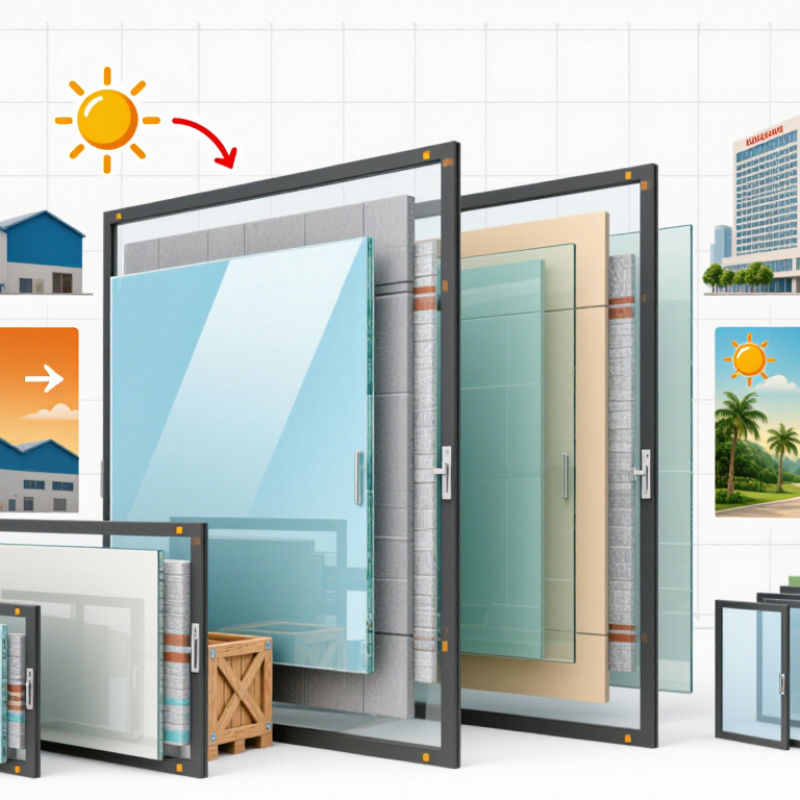
Choosing the top insulated glass panels for global projects requires more than comparing prices or visible clarity. Buyers must examine thermal performance, solar control, acoustic comfort, safety, and long-term durability. A panel that performs well in a cold warehouse may not suit a sun-exposed hotel in Dubai.

Real purchasing decisions often begin with the project’s climate and building use. Low-E coatings can reduce heat transfer, while argon-filled cavities may improve insulation. Warm-edge spacers can also limit condensation around the frame. Small details matter.

They matter greatly.

This guide will compare leading insulated glass panels through measurable and practical criteria. These include U-value, solar heat gain coefficient, visible light transmission, sound reduction, glass thickness, and seal quality. It will also consider laminated safety glass, triple glazing, decorative options, and customized dimensions.

Reliable suppliers should provide test reports, product specifications, warranty terms, and consistent quality records. Certifications can support confidence, but they should match the destination market and project requirements. Standards differ across regions, and one certificate does not prove universal suitability.

That point is easy to overlook.

From supplier discussions and project evaluations, packaging and transport also deserve attention. A technically excellent panel can arrive with damaged edges or moisture inside the unit. Buyers should check crate design, delivery conditions, installation guidance, and after-sales support.

No single panel is best for every market. Budget limits, climate exposure, façade design, and installation skills change the final choice. This overview aims to help global buyers compare options carefully, while recognizing that performance claims still require independent verification.
What Are the Top Insulated Glass Panels for Global Buyers?

What Are Insulated Glass Panels and How Do They Work?

What Are Insulated Glass Panels and How Do They Work?

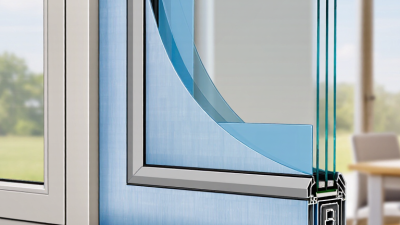
Insulated glass panels contain two or more glass panes, a spacer, and a sealed airspace. The spacer keeps the panes apart. The sealed cavity slows heat movement through conduction and convection. Low-emissivity coatings also reduce radiant heat transfer. Argon filling can improve insulation, although correct sealing matters more than marketing claims.

The U.S. Department of Energy reports that windows may cause 25–30% of residential heating and cooling energy use. This figure explains why global buyers examine U-values, solar heat gain coefficients, and visible transmittance. Lower U-values generally indicate better insulation. However, a very low U-value may not suit every climate. In hot regions, excessive solar gain can still raise indoor temperatures.

U-values
Lower values generally indicate better insulation.

Professional testing remains essential. The National Fenestration Rating Council evaluates whole-window performance, including the frame and edge area. Laboratory results should match the installed panel. That is often overlooked. A high-performance unit can lose efficiency through poor drainage, damaged seals, or an unsuitable spacer. The International Energy Agency also identifies building-envelope efficiency as an important path toward lower building energy demand. Still, reports cannot predict every building. Orientation, shading, humidity, and installation quality change real-world results.

Which Insulated Glass Panel Types Suit Different Building Needs?

Insulated glass panels should match the building, climate, and occupant experience. Double-glazed units suit moderate climates and standard residential projects. Triple-glazed units perform better in cold regions, where interior glass surfaces feel noticeably warmer.

Low-emissivity coatings reduce radiant heat transfer, while solar-control coatings limit harsh afternoon heat.

Laminated glass adds safety and acoustic comfort near airports or busy roads.

The International Energy Agency reports that buildings consume about 30% of global final energy.

The U.S. Department of Energy also estimates that windows can cause 25–30% of residential heating and cooling energy use.

These figures make glazing selection more than an aesthetic decision. For offices, spectrally selective coatings can reduce glare without making rooms too dark. For hospitals and schools, stable indoor temperatures and lower noise may matter more than maximum insulation.

Vacuum glazing can offer slim profiles, but cost and local servicing remain practical concerns. Better performance is not always better value.

Tips: Check U-value, solar heat gain coefficient, visible transmittance, and acoustic ratings together. Ask for tested data under EN 1279, ASTM E2190, or comparable standards. Specify warm-edge spacers and proper frame installation. A perfect panel can still fail beside a poorly sealed frame. Recheck orientation, shading, humidity, and maintenance access before ordering; early assumptions are often wrong.

How Should Buyers Compare Thermal, Acoustic, and Solar Performance?

Global buyers should compare insulated glass panels by climate, building use, and verified performance data. A low U-value indicates better heat resistance, but it does not guarantee comfort near the window. Ask for the center-of-glass U-value and the whole-window U-value. The frame and spacer can change real results. Warm-edge spacers often reduce interior condensation in cold regions.

Acoustic performance needs more than a single rating. Check the laboratory sound rating, such as Rw or STC, and study the tested frequency range. A thicker outer pane can reduce traffic noise, while an uneven glass thickness may improve wider sound control. However, installation gaps can weaken excellent glass.

Solar performance also deserves careful comparison. Solar heat gain coefficient affects cooling demand, while visible transmittance affects daylight. A dark coating may reduce glare, but it can make interiors feel dull. That trade-off is easy to overlook.

Tips: Request certified test reports, not only marketing tables. Compare identical sizes and glass configurations. Check air leakage, condensation resistance, and edge details. Confirm whether ratings follow the standards used in the project country. Samples help, but small samples cannot fully represent a large façade. One mistake is treating the best number as the best product. Real performance depends on orientation, shading, ventilation, installation quality, and maintenance. Our comparison process should remain flexible because climate assumptions are sometimes wrong.

What Standards and Certifications Matter in Global Purchasing?

For global buyers, insulated glass panels should be judged by documented performance, not attractive specifications alone. Ask suppliers which standards apply to the destination market and building type. ASTM E2190 is widely used for insulating glass durability in North America. EN 1279 covers production control, moisture resistance, and long-term unit performance in many European markets. Local building codes may also set limits for U-value, solar heat gain, and visible light transmission.

Reliable purchasing depends on traceable evidence. Request current test reports, factory quality records, and declarations showing the tested configuration. The report should identify glass thickness, coating, spacer type, gas fill, sealant, and panel dimensions. A certificate for one design may not cover another. This detail is often missed.

ISO 9001 can indicate a controlled management process, but it does not prove thermal performance by itself. For some projects, energy ratings from recognized regional testing bodies are also necessary.

Check whether the glass carries the required market marking, such as CE or another local compliance mark. Confirm its scope before accepting it. Also review breakage safety, acoustic data, and condensation calculations when the project requires them.

I have found that small specification changes can alter results significantly. A warmer spacer, different cavity width, or lower gas purity may reduce expected efficiency. Buyers should compare verified data, batch records, and warranty terms, while allowing independent inspection before shipment. Documents matter, but installation quality still decides much of the final performance.

How Can Buyers Evaluate Suppliers, Pricing, and Product Quality?

What Are the Top Insulated Glass Panels for Global Buyers?

Global buyers should evaluate insulated glass panels through measurable performance, not attractive brochures. Request the U-value, solar heat gain coefficient, visible light transmission, glass thickness, and sound-control data. Confirm the test standards and laboratory dates. A reliable supplier should explain spacer materials, gas filling, sealant type, and edge protection clearly.

Pricing needs a wider view. Compare the panel price with tooling, minimum order quantities, export packaging, insurance, freight, taxes, and possible replacement costs. Ask for a detailed quotation with currency, delivery terms, lead time, and warranty conditions. A low price may hide thinner glass, weaker seals, or poor packing. That mistake becomes expensive at the installation site. Supplier evaluation should include factory records, production capacity, quality-control procedures, and recent project references. Video inspections help, but they cannot replace independent testing.

Tips: Order samples before approving a full batch. Check dimensions, corner seals, glass clarity, spacer alignment, and condensation resistance. Ask for a small pilot shipment. It may feel slower. However, one inspected container can reveal repeated defects early. Buyers should also compare promised performance with installed results. Specifications are useful, but field conditions sometimes expose gaps in the original decision.