For global buyers, selecting reliable windshield installers requires more than comparing prices or browsing impressive websites. The work affects visibility, structural protection, sensor performance, and passenger safety. A polished quote can still hide weak training, poor documentation, or unsuitable glass.
Market demand is growing. Fortune Business Insights valued the global automotive glass market at USD 18.97 billion in 2023. It projects the market to reach USD 29.44 billion by 2032. This expansion reflects rising vehicle ownership, advanced driver-assistance systems, and replacement demand. However, market growth does not guarantee consistent installation quality. Buyers must verify technician credentials, glass specifications, adhesive systems, curing times, and calibration procedures. The Auto Glass Safety Council promotes standardized replacement practices through its AGRSS program. Its guidance remains a useful benchmark for international sourcing decisions.
Bob Beranek, president of Auto Glass Consultants, has emphasized, “The windshield is a safety device, not just a piece of glass.” That distinction matters. Professional windshield installers should explain whether cameras, rain sensors, and head-up displays need recalibration. They should also provide traceable product information and clear warranty terms. Price alone still attracts attention. That is understandable, but incomplete. A lower quote may exclude calibration or use glass with uncertain compatibility. Global buyers should request documented experience with their vehicle brands and regional requirements. Even experienced teams can make mistakes. Transparent inspection records and corrective procedures therefore matter as much as technical claims. Reliable installers earn trust through repeatable work, not confident promises.
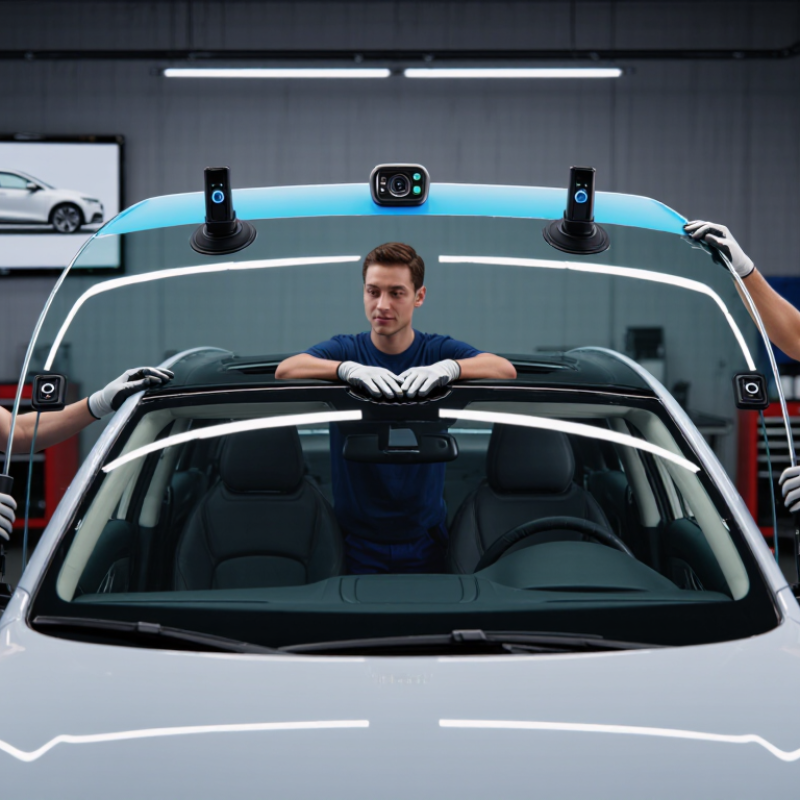
A top windshield installer serves safety, documentation, and local driving conditions. The WHO Global Status Report on Road Safety 2023 records about 1.19 million road deaths each year. That figure makes installation quality more than a cosmetic concern. Skilled technicians confirm glass specifications, adhesive cure times, and vehicle sensor positions. They also explain whether camera or radar recalibration is required after replacement. AAA research has shown that small ADAS alignment errors can affect system performance. A careful installer provides calibration records, technician qualifications, and warranty terms in clear English.
Global buyers need consistent communication across borders. The installer should share photos before and after fitting. They should also identify the glass marking, production date, and installation environment. ISO 9001-style process control can support repeatable service, but certification alone proves little. Experience still matters. A technician who understands left-hand and right-hand traffic differences may prevent a costly mistake. One weakness remains common: buyers often choose the lowest quote before checking technical evidence.
Tips: Ask for a written calibration report. Confirm curing time before driving. Check whether the warranty covers leaks and optical distortion. Request support for local compliance documents. Keep every record. It may save time later.
For global buyers, windshield installation quality begins with correct glass identification, not a polished sales message. The replacement should match the vehicle’s specifications, including sensors, acoustic layers, tint, and camera mounting points. Ask for documented training, written procedures, and evidence that technicians follow applicable vehicle safety standards. A reputable installer explains limitations instead of promising a perfect result. Small details matter.
During inspection, check the glass alignment from inside and outside. Gaps should look even, with no pinched trim, lifting edges, scratches, or trapped debris. The adhesive must suit the glass and vehicle, while curing time should reflect temperature and humidity. If a forward-facing camera or rain sensor is involved, request calibration records after installation. A warning light, distorted view, or unusual wind noise deserves immediate attention. Clean work is not enough. No checklist catches everything, and even careful inspectors can miss a hidden bonding flaw.
Tips: Ask who installed the glass and who verified the work. Request adhesive batch details, installation time, and safe-drive-away guidance. Photograph the edges before leaving, especially near corners and sensor brackets. Test wipers, washers, defogging, and camera functions in daylight. If answers remain vague, pause the purchase and seek an independent inspection.
| Evaluation Dimension | What High-Quality Installation Should Include | Objective Acceptance Criteria | Evidence to Request from the Installer | Relevant Standard or Reference |
|---|---|---|---|---|
| Technician Competence | Personnel should be trained in vehicle-specific removal, bonding, trim handling, glass positioning, and safety procedures. | Documented training and competency records should be available for technicians performing structural glass work. | Training certificates, internal competency checklists, work instructions, and refresher-training records. | Industry installation guidance and documented quality-management procedures. |
| Glass Specification | The replacement windshield should match the vehicle application, dimensions, curvature, optical requirements, sensors, cameras, brackets, and acoustic features where applicable. | Correct part identification, undamaged glass, clear markings, and compatibility with the vehicle’s safety and driver-assistance systems. | Part number, conformity marking, inspection record, and vehicle-compatibility confirmation. | UNECE Regulation No. 43 or applicable national glazing requirements; FMVSS No. 205 where applicable. |
| Windshield Mounting and Retention | The windshield must be correctly positioned and securely bonded to preserve occupant protection, roof-support contribution, and airbag interaction. | Uniform adhesive contact, correct glass position, stable alignment, and no visible gaps, voids, lifting, or movement after installation. | Vehicle-specific installation checklist, photographs before trim refitting, and final alignment inspection. | FMVSS No. 212 for windshield mounting retention, where applicable. |
| Adhesive Selection | Use an automotive glazing adhesive system suitable for the vehicle, glass, primer, substrate, temperature, humidity, and required drive-away time. | Product identification, batch traceability, valid shelf life, and use within the adhesive manufacturer’s technical data sheet requirements. | Adhesive technical data sheet, safety data sheet, batch number, expiry date, and storage records. | Manufacturer technical data sheet and applicable automotive glazing procedures. |
| Surface Preparation | Bonding surfaces should be clean, dry, free from loose corrosion and contamination, and treated with the specified cleaner, primer, or activator. | No visible dust, oil, moisture, loose rust, old adhesive contamination, or untreated bare-metal areas within the bonding zone. | Preparation checklist, corrosion photographs, product records, and nonconformance reports where applicable. | Adhesive system instructions and vehicle repair procedures. |
| Adhesive Bead and Coverage | The adhesive bead should have consistent height and continuity around the complete bonding perimeter without breaks, excessive thinning, or unsupported sections. | Continuous contact around the entire bond line, with bead dimensions and tooling consistent with the adhesive and vehicle instructions. | Installation photographs, bead-profile checks, and documented corrective-action procedures. | Adhesive manufacturer application instructions and vehicle-specific repair information. |
| Environmental Control | Temperature, humidity, rain, dust, and workshop cleanliness should be controlled during bonding and curing. | Installation conditions must remain within the adhesive manufacturer’s stated operating range; wet or contaminated bonding surfaces are unacceptable. | Workshop condition logs, thermometer or hygrometer records, and environmental-control procedures. | Adhesive technical data sheet and controlled-workshop procedures. |
| Curing and Drive-Away Time | The vehicle should not be released until the adhesive has reached the manufacturer’s specified minimum safe drive-away condition for the actual temperature and humidity. | Recorded installation time, adhesive product, environmental conditions, and calculated release time. | Job card showing cure or drive-away calculation and customer release authorization. | Adhesive manufacturer’s cure-time and safe-drive-away requirements. |
| ADAS and Camera Calibration | Vehicles equipped with forward-facing cameras or sensors should receive the required static or dynamic calibration after glass replacement. | Calibration completed without diagnostic faults, using the vehicle-specific procedure and required targets, measurements, road conditions, or scan tools. | Pre-scan and post-scan reports, calibration report, target setup record, and road-test documentation where required. | Vehicle manufacturer repair information and applicable ADAS calibration procedures. |
| Water, Air, and Noise Tightness | The completed installation should prevent water leakage, abnormal wind noise, dust entry, and visible seal defects. | No leakage during a controlled water test and no abnormal wind noise during a suitable road test or inspection. | Water-test result, road-test record, customer acceptance checklist, and warranty procedure. | Vehicle repair procedures and installer quality-control specifications. |
| Trim, Molding, and Interior Protection | Moldings, clips, rain sensors, mirror mounts, wipers, dashboard surfaces, and interior trim should be refitted without damage or misalignment. | No loose trim, sharp edges, missing clips, damaged sensor pads, scratched surfaces, or obstruction of the driver’s view. | Final visual inspection, interior-protection checklist, and customer sign-off. | Vehicle-specific repair instructions and documented final inspection criteria. |
| Safety and Compliance Documentation | The installer should maintain traceable records connecting the vehicle, glass, adhesive, technician, procedures, inspections, and calibration results. | Complete job records retained for a defined period, with clear corrective-action and complaint-handling processes. | Sample completed job file, quality policy, inspection form, warranty terms, and complaint-resolution process. | ISO 9001-style quality-management practices and applicable national vehicle-safety regulations. |
| Warranty and Aftercare | The buyer should receive written warranty coverage for workmanship, leakage, bonding defects, and recalibration-related issues where included. | Warranty duration, exclusions, claim process, response time, and international support responsibilities should be stated before purchase. | Written warranty document, service-level terms, escalation contact, and aftercare instructions. | Contract terms and applicable consumer or commercial warranty law. |
International buyers need more than a nearby workshop. A dependable vehicle-glass replacement service should explain shipping, fitting, warranty coverage, and aftercare clearly. It should confirm the vehicle identification number, glass specification, and regional certification before ordering. The World Health Organization’s Global Status Report on Road Safety 2023 records approximately 1.19 million road deaths annually. That figure makes installation quality a safety issue, not a cosmetic purchase. Small cracks can spread through heat, vibration, or freezing weather.
Modern windshields often support cameras, rain sensors, and driver-assistance systems. The Insurance Institute for Highway Safety reports that front crash prevention can reduce rear-end crashes by about 50%. After replacement, affected cameras may require static or dynamic calibration. International services should provide calibration records, technician qualifications, and clear evidence of post-installation testing. Ask for written procedures.
Cross-border support also requires multilingual instructions, secure packaging, customs guidance, and access to local technicians. A useful provider should explain whether replacement glass is original-equipment specification or an approved equivalent. SAE repair guidance and vehicle-specific procedures should guide the work, rather than one universal checklist. Service pages sometimes promise compatibility everywhere. That claim deserves skepticism. Time-zone delays, unavailable calibration tools, and unfamiliar local regulations can still disrupt a careful repair. Reliable support admits these limits and offers a practical escalation route.
Top Windshield Installers for Global Buyers?
How to Compare Installer Experience, Pricing, and Warranty Policies
For global buyers, comparing windshield installers requires more than a low online quote. Ask how many vehicles they service each month and whether technicians handle your vehicle’s glass type, camera, or rain sensor. An experienced installer explains the process before touching the car. They check the frame for hidden rust, confirm glass markings, and photograph existing damage. Ask for training records and recent customer references. Details matter. A rushed fitting can create wind noise or calibration problems.
Compare written prices line by line. A reliable quote should separate glass, labor, mobile travel, taxes, adhesive, and sensor calibration. Confirm currency and payment terms before booking. Extremely cheap work may exclude essential calibration. That is not always true, but it deserves questions. Ask whether the installer follows required curing times and provides a receipt with vehicle details. I would also request the cancellation policy. International communication can become unclear when schedules change.
Tips: Request warranty length, coverage, and exclusions in writing. Clarify whether leaks, optical distortion, adhesive failure, and camera recalibration are covered. Ask who pays for return visits if you leave the installation country. Keep photos, invoices, and calibration reports. Read carefully. Some policies sound generous but cover only the glass, not labor. A local inspection after installation can reveal small issues, although it adds cost and may feel unnecessary.
This buyer-weighting framework highlights the factors that matter most when comparing windshield installers across markets. Experience and technical capability receive the highest weight, while pricing transparency and warranty clarity help buyers assess long-term value. The percentages are evaluation weights, not company rankings or market-average prices.
Choosing a windshield installer across borders requires more than comparing prices. The World Health Organization’s Global Status Report on Road Safety 2023 records about 1.19 million road deaths annually. A poorly fitted windshield can weaken visibility, sealing, and occupant protection. Ask for documented technician training, installation procedures, and quality-control records.
Check the glass specification carefully. It should match the vehicle’s model, production year, camera openings, acoustic layers, and heating features. Ask which adhesive is used and request its safe drive-away time. Temperature and humidity affect curing. A serious installer should explain these details plainly. They should also provide batch information and written warranty terms.
Modern vehicles may use cameras behind the windshield. IIHS research found forward collision warning reduced rear-end crashes by 27%, while automatic emergency braking reduced them by 50%. If a camera is disturbed, calibration may be necessary. Request a pre-scan, post-scan, and calibration report from suitable diagnostic equipment. Confirm whether static or dynamic calibration is required. Do not accept “the warning light is off” as proof. That shortcut feels convenient, but it is weak evidence. Some installers may overpromise international warranty coverage, so verify response times, local support, and dispute procedures before paying. Keep photographs of the vehicle, glass markings, and completed work. Mistakes happen; undocumented mistakes become expensive.