
Why Do Auto Glass Places Matter for Global Buyers?
Why Do Auto Glass Places Matter for Global Buyers?
For global buyers, auto glass places are more than local repair counters. They connect vehicle owners, manufacturers, distributors, and trained technicians across different markets. A reliable provider can identify the correct windshield by vehicle model, production year, glass code, and sensor configuration. Small details matter. A few millimeters can affect fit, sealing, visibility, and camera alignment.
Bob Beranek, a respected auto-glass consultant and founder of Auto Glass Consultants, has stated, “The windshield is a safety device, not merely a piece of glass.” That principle changes how international buyers evaluate suppliers. Price still matters, but so do traceability, installation methods, adhesive quality, technician training, and post-installation inspection. Modern vehicles may require advanced driver-assistance system calibration after replacement. A provider without suitable equipment may deliver an apparently clean installation that creates hidden safety concerns.
Trust develops slowly.
Experienced buyers often inspect certifications, product documentation, warranty terms, and communication practices before placing large orders. They may also ask whether a supplier understands regional vehicle variations and shipping damage risks. This process is not perfect. Catalog information can be incomplete, and even reputable auto glass places may need to confirm fitment manually. That uncertainty deserves attention, not concealment.
For this reason, auto glass places matter globally because they turn a manufactured component into a verified safety installation. The strongest providers combine practical experience with technical discipline. They explain limitations clearly, keep records, and avoid promising what they cannot verify. Global purchasing becomes safer when buyers judge the entire service chain, not only the glass price.
What Auto Glass Places Are and What Services They Provide
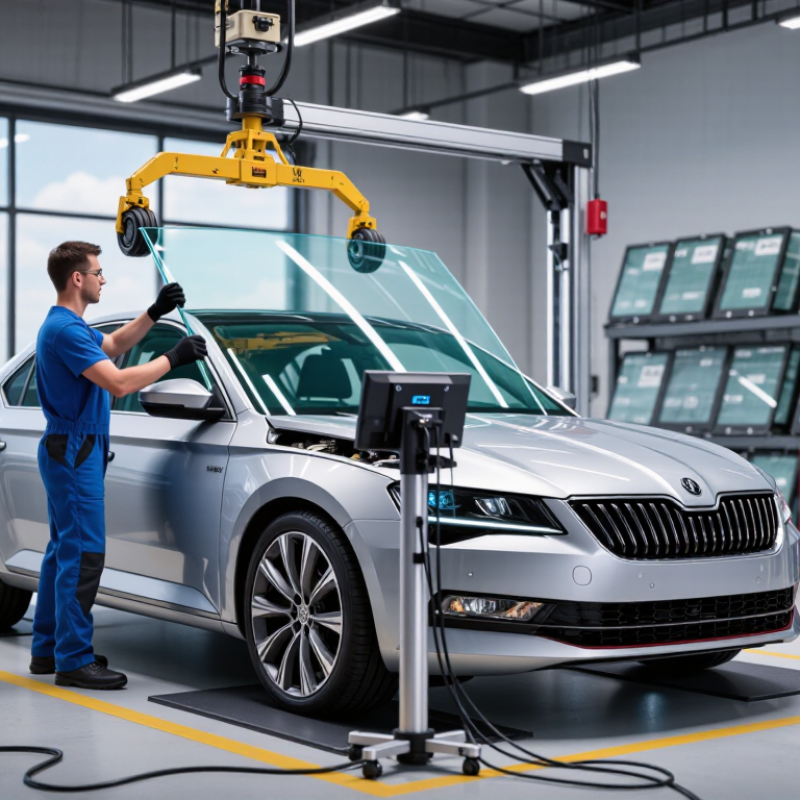
Auto glass places are specialized service centers for vehicle windows, windshields, and related safety components. They inspect damaged glass, recommend suitable repairs, and replace panels when necessary. A reliable facility checks cracks, chips, mounting points, seals, and surrounding trim. The windshield is not merely a clear screen. It supports visibility and can contribute to the vehicle’s structural protection.
Services may include chip repair, full windshield replacement, side-window installation, rear-glass replacement, and removal of broken fragments. Some technicians offer mobile service at a buyer’s location. Modern vehicles may also require camera or sensor calibration after windshield installation. Ask whether the facility has the correct tools and vehicle-specific procedures. I once assumed every replacement was routine. That assumption was too simple. Small fitting errors can create wind noise, water leaks, or visibility problems. Clear invoices, written warranties, and installation records help global buyers compare service quality across regions.
Tips: Check the technician’s training and experience. Request details about glass specifications and curing time. Confirm whether calibration is included. Inspect the finished edges and seals before driving away. Keep all service documents. If instructions seem unclear, ask again. Reliable communication matters, especially when language and local practices differ.#+#+#+#+
Why Do Auto Glass Places Matter for Global Buyers? - What Auto Glass Places Are and What Services They Provide
| Service Area | What It Includes | Typical Glass or Component | Why It Matters to Global Buyers | Useful Quality Checks |
|---|---|---|---|---|
| Glass Identification | Matching the replacement part with the vehicle model, production year, body style, position, and required specifications. | Windshield, front door glass, rear door glass, quarter glass, or back glass. | Vehicle specifications and part availability can differ by market, so accurate identification helps prevent incorrect orders. | Verify dimensions, curvature, tint, mounting points, sensor openings, and applicable safety markings. |
| Windshield Replacement | Removal of damaged glass, preparation of the frame, installation of a replacement windshield, and sealing of the opening. | Laminated windshield glass with compatible molding, adhesive, and hardware. | A properly installed windshield contributes to occupant protection, weather resistance, and structural performance. | Check glass fit, adhesive specifications, curing requirements, water-leak testing, and safe drive-away time. |
| Side and Rear Glass Replacement | Replacing movable or fixed side glass and rear glass, including removal of broken pieces and installation of seals or clips. | Tempered side glass, laminated side glass, quarter glass, and tempered or laminated back glass. | Correct glass type and hardware are important for passenger safety, noise control, visibility, and weather sealing. | Confirm glass type, shade, heating elements, antenna connections, seals, clips, and window operation. |
| Chip and Crack Repair | Filling and curing resin in eligible windshield chips or short cracks to help restore visibility and reduce further spreading. | Laminated windshield glass only; tempered glass generally requires replacement when broken. | Repair may reduce replacement time and cost when the damage is suitable and local regulations permit it. | Assess damage location, size, contamination, visibility impact, and whether the crack reaches an edge. |
| Advanced Driver Assistance System Support | Inspection, removal and refitting of camera-related components, and calibration when required after windshield replacement. | Windshield with camera bracket, sensor window, rain sensor area, or other integrated features. | Incorrect positioning or calibration can affect systems such as lane-departure warning and automatic emergency braking. | Confirm whether static or dynamic calibration is needed and request a calibration record where applicable. |
| Mobile Installation | Technicians perform selected repairs or replacements at a customer-specified location using portable tools and materials. | Windshields, side glass, rear glass, and minor chip repairs, depending on site conditions. | It can reduce vehicle downtime and support fleet, rental, logistics, and remote-site operations. | Check workspace protection, weather limitations, equipment readiness, curing conditions, and post-service inspection. |
| Fleet and Wholesale Support | Scheduled replacement, vehicle inspections, order coordination, documentation, and service arrangements for multiple vehicles. | Mixed glass assemblies for passenger cars, commercial vehicles, vans, buses, and specialty vehicles. | Centralized service can improve scheduling, purchasing control, repair tracking, and vehicle availability. | Review lead times, part traceability, service-level commitments, warranty terms, and standardized inspection records. |
| Insurance and Claims Assistance | Providing estimates, photographs, repair details, invoices, and other documents used in an insurance claim. | Any covered vehicle glass component, subject to the policy and local requirements. | Clear documentation helps buyers compare total service costs and manage cross-border or multi-location processes. | Confirm itemized pricing, taxes, labor, materials, deductible treatment, and warranty coverage. |
| Safety and Compliance Documentation | Recording part details, installation materials, inspection results, calibration status, and warranty information. | Safety glass, adhesives, seals, sensors, brackets, and related installation materials. | Documentation supports supplier evaluation, quality control, regulatory review, after-sales service, and warranty claims. | Request traceable records for glass markings, material specifications, installation date, technician checks, and corrective actions. |
Related Posts
-

Exploring the Top Auto Glass Repair Services in Miami: What You Need to Know
-
Understanding Auto Glass Phoenix Trends and Their Impact on Vehicle Safety Statistics
-
Why Choose Auto Glass Direct for All Your Replacement Needs
-

Understanding Auto Glass Repair in Phoenix: Essential Tips for Vehicle Safety and Longevity
-
How to Choose the Best Auto Glass Repair Services in Miami
-

Why You Should Choose Auto Glass Direct Services for Your Vehicle Needs