Why Are Patio Doors So Popular?
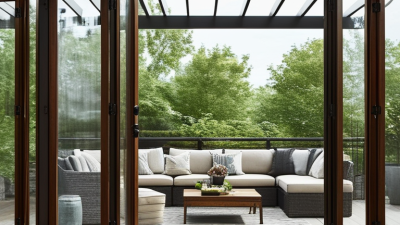
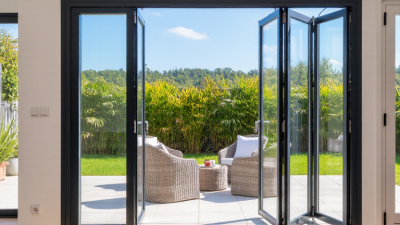
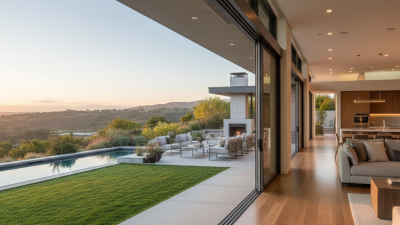
Patio doors remain popular because they connect indoor rooms with gardens, decks, and balconies. Their wide glass panels bring daylight deeper into living spaces and make smaller rooms feel more open. On a clear morning, a view of green leaves can soften a plain kitchen or lounge. When the doors slide open, fresh air and easy access make the boundary between home and outdoors feel less fixed. Even when closed, they keep the garden in view.
The appeal is practical, but it is not universal. A large glazed area can lose heat, admit glare, or reduce privacy, depending on its orientation, glazing, and surrounding shade. Sliding, hinged, and folding designs also need different amounts of clearance and maintenance. Before choosing patio doors, homeowners should consider room layout, frame materials, locking features, glass performance, and the local climate. A well-fitted door can improve everyday comfort, but poor installation may cause drafts or difficult operation. Small details matter.
Popularity alone is not proof of suitability. A sunny afternoon may make a showroom display look perfect, while a west-facing room can become uncomfortable in summer. Measuring the opening carefully and reviewing product specifications can help set realistic expectations. It is worth asking how the doors will work through every season, not just how they look on day one. The best choice is often less dramatic than expected. It fits the home, the people using it, and the way they actually live.
What Defines a Patio Door and Its Main Types?
Patio doors connect indoor rooms with decks, gardens, or balconies while bringing in daylight. The term usually describes a large exterior door designed for easy access and broad views. Glass panels are common, but frame materials, insulation, locks, and weather seals vary. A well-chosen door should suit the opening, local climate, and how people use the space. Looks matter, but so does daily comfort.
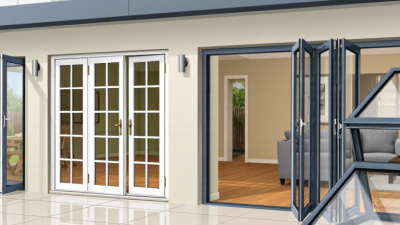
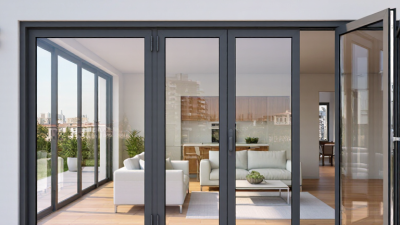
Sliding patio doors move along a track, so they do not swing into furniture or outdoor seating. Hinged doors, often called French doors, open inward or outward and can create a wider passage. Folding styles use several connected panels that stack to one side. Each type has trade-offs. Sliding doors need clean, unobstructed tracks; hinged doors need swing clearance. Folding systems can open widely, but their hardware and alignment deserve careful attention. Not every room needs the widest opening.
Tips: Measure the rough opening, not just the visible frame. Check whether the floor is level, and inspect drainage near the threshold. Ask a qualified installer how the chosen unit handles wind, rain, and temperature changes. A tiny track detail can matter. I once underestimated how often a doorway gets used; convenience is hard to judge from a showroom display alone.
Why Are Patio Doors So Popular?
Common Patio Door Types and Representative Panel Counts
What defines a patio door? It is a large glazed exterior door that connects indoor living spaces with a patio, deck, or garden. Its glass brings in daylight, while its layout can provide a broad outdoor access point.
How to read the chart: The bars show representative panel counts for common configurations, not market-share figures. Actual panel counts vary by design and opening size. Sliding doors save swing space; hinged (French) doors open on hinges; bifold doors fold panels together; and multi-slide doors move panels along tracks.
How Patio Doors Create a Stronger Indoor-Outdoor Connection
Why Are Patio Doors So Popular?
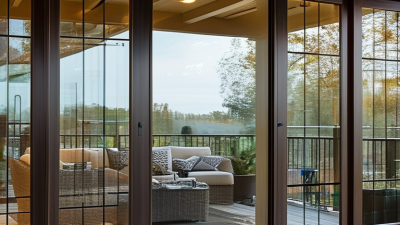
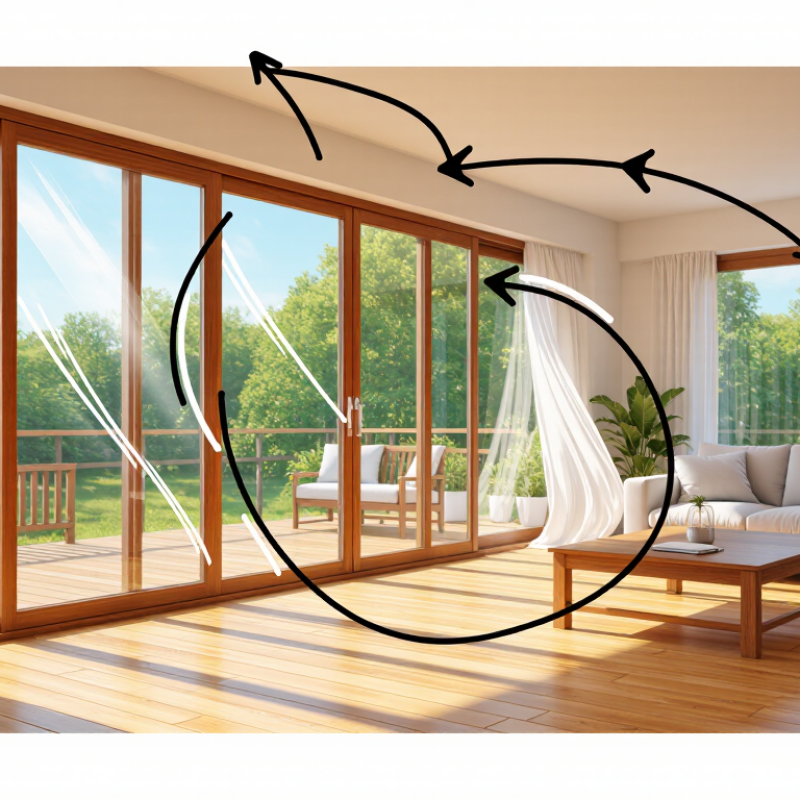
Patio doors make the boundary between a room and a garden feel less abrupt. Wide glass panels bring in daylight and keep outdoor views visible, even when the doors are closed. On a sunny morning, a kitchen can feel brighter with a clear view of wet paving stones or leaves moving outside. That visual connection can make a modest room seem more open. When the doors slide or swing aside, people can carry meals outdoors without navigating a narrow opening. The transition feels easy. Still, glass alone cannot make an outdoor space inviting. Glare, poor insulation, or a patio with little privacy can reduce the benefit.
Tips: Check how the door opens before choosing furniture. Leave enough clearance for handles and walking paths. Consider shade, ventilation, and the direction of afternoon sun. Small details count.
A stronger indoor-outdoor connection also depends on matching the spaces. Similar floor tones, a nearby plant, or lighting visible from both sides can make the patio feel like part of the home. Keep the threshold practical, especially if rainwater collects near the entrance. A flush transition may look seamless, but drainage and weather sealing still matter. It is easy to focus on the view and overlook daily use. Think about muddy shoes, pets, and where the door will stop. Those less polished details often decide whether the doors feel genuinely useful.
Why Natural Light and Open Views Appeal to Homeowners
Patio doors make daylight feel close at hand. A wide glass panel can brighten a dim kitchen, reveal the garden, and make the boundary between indoors and outdoors feel less abrupt. On a clear morning, even a small dining area may seem more open. That change is not only visual; natural light can make everyday rooms more pleasant to spend time in.
A 2015 Human Spaces report, based on a global survey of office workers, found that 44% named natural light as the feature they most wanted in their workplace. The survey did not study homeowners, so it cannot prove why people choose patio doors. Still, it offers useful context: access to daylight matters to many people. A patio door also frames a view, giving the eye somewhere to rest beyond the room’s walls.
The effect depends on the home. A shaded yard may offer less daylight than expected, while strong afternoon sun can create glare on a screen or fade nearby fabrics. Glass is not magic. Consider the door’s orientation, shading, and glazing before choosing a style. Sometimes the view is just a fence, and that is worth admitting. But even a modest garden, tree, or patch of sky can make a room feel connected to the outdoors.
How Space-Saving Designs Suit Different Home Layouts
Patio doors suit many layouts because they connect rooms without demanding extra floor space. A sliding panel moves along its track, leaving no door-swing arc to block a chair, hallway, or kitchen island. In a compact dining area, that can mean keeping a table close to the glass while preserving a clear route outside. Small detail. Often useful.
The National Association of Home Builders’ 2021 What Home Buyers Really Want survey found that 82% of buyers considered a patio desirable or essential. A wide glazed opening can make that outdoor area feel connected to the living room, especially when sightlines are clear. In a narrow room, a two-panel slider may work better than a hinged door; in a wider opening, multiple panels can create a broader passage. Measure furniture and walking routes before choosing. I have seen layouts look spacious on a plan, then feel awkward once chairs are pulled out.
The U.S. Census Bureau reported a median new single-family home size of 2,286 square feet in 2023, but room shapes and circulation vary widely. That is why door configuration matters as much as glass area. Check the track’s threshold, too: a low profile can ease everyday movement, while poor installation may invite drafts or water. The U.S. Department of Energy advises careful sealing around doors to limit air leakage. A practical choice, not a perfect fix.
What Practical Benefits Support Their Lasting Popularity
Patio doors remain popular because they connect indoor rooms with gardens, decks, or balconies. A wide glass panel brings daylight deeper into a home, often reducing the need for lamps during daytime. When open, the doorway can make a small dining area feel less boxed in. That matters.
Sliding models do not swing into furniture, which helps in compact rooms. Hinged versions may provide a wider opening, though they need clear floor space. Both styles can simplify carrying trays, garden tools, or groceries outside. Clean glass also gives a clear view of children playing or weather approaching, but privacy may require curtains or screening.
Modern insulated glass and well-fitted seals can limit drafts and outside noise; performance depends on installation and upkeep. Tracks collect grit. A quick vacuum and occasional wipe can keep panels moving smoothly, though worn rollers may still need adjustment. Patio doors can create a warmer, sunlit spot in winter, yet strong afternoon sun may fade rugs or overheat a room. Thoughtful placement and shading help, but they are easy to overlook.