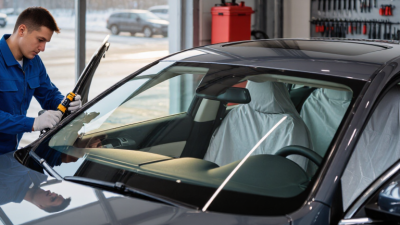
What Is an Auto Windshield and How Does It Work?

An auto windshield is more than a clear panel in front of the driver. It is a carefully engineered safety component that supports visibility, passenger protection, and vehicle structure. Most modern windshields use laminated glass, with two glass sheets bonded around a tough plastic layer. When a stone strikes the surface, this inner layer helps hold broken glass together instead of allowing dangerous shards to scatter through the cabin.

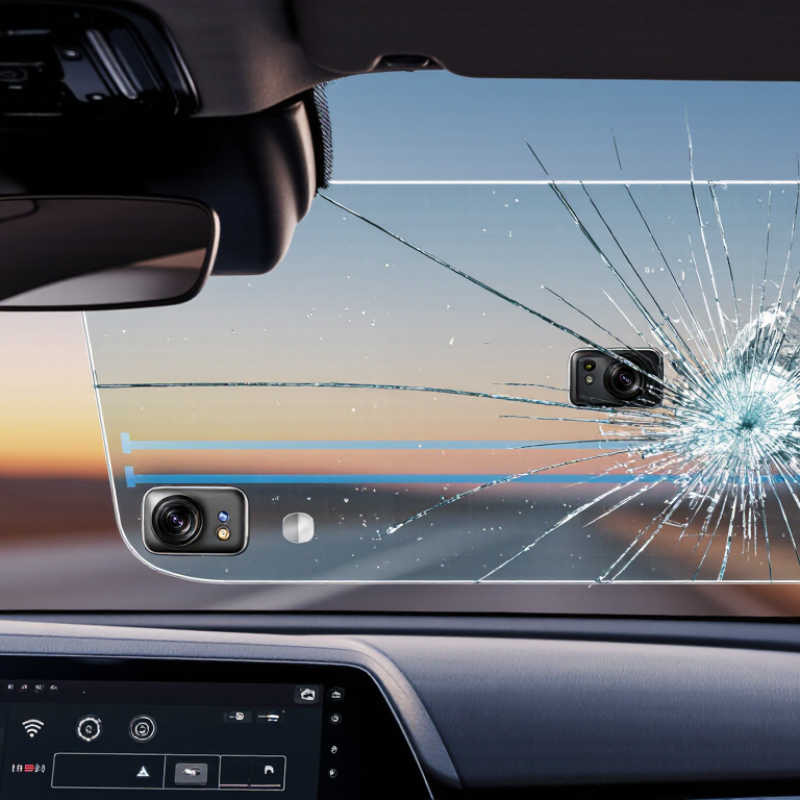
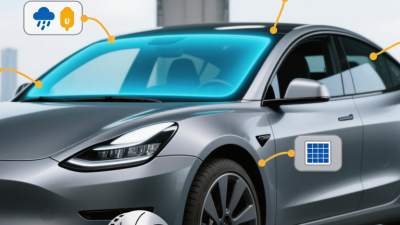
It also works as part of the vehicle’s air-management and support systems. Its curved shape directs airflow over the roof, while its bonded edges can contribute to roof strength during a rollover. Many newer vehicles add cameras, rain sensors, heating elements, or head-up display technology near the glass. A small crack near a camera can therefore affect more than appearance. It may interfere with lane-assistance features or distort the driver’s view.

Look closely.

From the driver’s seat, glare, dust, and tiny scratches can become visible around sunrise. These details are easy to dismiss, yet they may reduce contrast when headlights approach at night. Windshield performance depends on correct installation, proper sealing, and accurate sensor calibration. Manufacturer guidance and qualified glass technicians remain important, especially after replacement. This guide explains what an auto windshield is, how its layers work, and why small damage deserves attention. Some explanations simplify a complex system, but they provide a practical starting point for safer driving decisions.

What Is an Auto Windshield and How Does It Work?

Windshield Anatomy: Two Glass Plies and a 0.76-mm PVB Interlayer

What Is an Auto Windshield and How Does It Work?

Windshield Anatomy: Two Glass Plies and a 0.76-mm PVB Interlayer

An auto windshield is laminated safety glass, not a single sheet. It contains two shaped glass plies with a 0.76-mm polyvinyl butyral (PVB) interlayer between them. The glass provides stiffness and clear visibility. PVB bonds the layers together under heat and pressure. This structure helps the windshield resist wind, vibration, and small impacts during daily driving.

The inner and outer glass plies work as a team. When a stone strikes the outer surface, cracks may spread through that layer. The PVB can hold broken fragments in place instead of allowing them to fall into the cabin. It also supports partial visibility after damage occurs. That matters during an unexpected road incident. The interlayer can reduce some noise and block much of the sun’s ultraviolet radiation. However, it is not a perfect sound barrier.

During professional inspection, technicians check the impact location, crack length, edge condition, and driver’s viewing area. A tiny chip may look harmless under bright light. Moisture, dirt, and temperature changes can make it worse. Edge damage deserves extra attention because it may weaken the laminate’s bond. Replacement glass must match the vehicle’s shape and safety requirements. Installation quality also matters. An uneven seal can create leaks, wind noise, or poor structural support. One detail is easy to overlook: a clean repair area does not guarantee invisible damage. Careful inspection remains essential.

What Is an Auto Windshield and How Does It Work? - Windshield Anatomy: Two Glass Plies and a 0.76-mm PVB Interlayer

Component or Feature Typical Dimension or Specification Material or Construction How It Works Practical Function
Outer Glass Ply Approximately 2.1–2.5 mm Heat-treated or chemically strengthened automotive glass Receives the first impact from road debris, weather, and airflow while maintaining a smooth optical surface. Provides exterior protection, aerodynamic shaping, and resistance to minor impacts and abrasion.
PVB Interlayer 0.76 mm nominal thickness Flexible polyvinyl butyral safety-film layer Adheres to both glass plies and helps hold fractured glass fragments together after impact. Improves occupant protection, reduces glass spall, and contributes to sound damping and UV filtering.
Inner Glass Ply Approximately 2.1–2.5 mm Automotive glass bonded to the PVB layer Works with the outer ply and interlayer as part of a laminated composite rather than breaking into loose pieces. Provides structural support and helps protect occupants from interior glass fragments.
Complete Laminated Stack Commonly about 4.96–5.76 mm before coatings or additional films Glass ply + 0.76-mm PVB + glass ply The bonded layers distribute impact forces over a larger area and remain partially attached when cracked. Combines visibility, impact resistance, retention, and vehicle-body integration.
Lamination Process Heat and pressure bonding Glass and PVB are assembled, de-aired, and bonded in controlled processing equipment. Heat softens the PVB and pressure removes air so the interlayer bonds continuously to both glass surfaces. Creates a clear, durable composite with improved resistance to delamination.
Fracture Behavior Cracks may spread, but fragments are retained Laminated glass construction When the glass plies fracture, the PVB interlayer helps keep pieces attached and limits loose fragment release. Maintains a degree of barrier protection and helps preserve the windshield opening after damage.
Optical Area Designed for high visible-light transmission Clear glass with optional functional coatings or shaded areas The windshield transmits light for forward visibility while managing glare, solar heat, and reflections where designed. Supports safe driving visibility and allows cameras, sensors, and displays to operate through designated areas.
Acoustic Performance Improved compared with a single glass sheet Flexible PVB layer between rigid glass plies The interlayer helps damp selected vibration and airborne-noise frequencies as sound passes through the laminate. Reduces perceived road, wind, and traffic noise inside the passenger compartment.
UV Protection Most ultraviolet-B and a substantial portion of ultraviolet-A radiation are filtered Glass and PVB laminate The laminated materials absorb or block much of the ultraviolet radiation reaching the cabin. Helps protect occupants, interior materials, and dashboard surfaces from ultraviolet exposure.
Vehicle Integration Bonded into the body opening with approved adhesive Structural adhesive, glass flange, and molded or attached trim The installed windshield works with the surrounding body structure and is positioned to maintain correct sealing and alignment. Helps resist water and air leakage and contributes to roof-support and occupant-restraint performance when properly installed.
Typical Damage Types Chips, bullseyes, star breaks, cracks, and delamination Impact-damaged laminated glass Damage can affect one or both glass plies, the PVB bond, or the edge seal depending on impact location and severity. Assessment should consider crack length, location, visibility, edge distance, and effects on cameras or sensors.

How Laminated Glass Blocks Penetration and Retains Shards After Impact

What Is an Auto Windshield and How Does It Work?

An auto windshield is more than a clear barrier against wind, rain, and road dust. It usually contains two thin glass sheets bonded to a flexible plastic interlayer. This layered structure is called laminated glass. The interlayer is often clear, strong, and slightly elastic. It helps the windshield absorb impact energy instead of failing like a single glass pane.

When a stone strikes the surface, the outer glass may crack in a web-like pattern. The inner layer holds many fragments in place. This reduces the chance of sharp pieces flying into the cabin. The windshield can also slow or resist an object before it fully penetrates. It is not unbreakable. A high-energy impact may still create a hole or severe damage.

In practical inspections, technicians often see cracks spreading from a small impact point. Temperature changes, vibration, and uneven road surfaces can enlarge that damage. A windshield with multiple cracks may still appear stable, but its protective performance has weakened. The bonded layers work together, yet they cannot restore damaged glass. Placement, impact angle, and object shape also affect the result. Safety glass is carefully engineered, but real accidents remain unpredictable. That limitation deserves attention.

Optical Performance: At Least 70% Light Transmission Under FMVSS 205

What Is an Auto Windshield and How Does It Work?

An auto windshield is a laminated safety-glass panel designed for visibility, protection, and structural support. It usually contains two glass layers bonded around a plastic interlayer. During a crash, this layer helps hold broken pieces together. It also reduces wind noise, blocks some ultraviolet radiation, and supports cameras or sensors in newer vehicles.

Optical performance is equally important. Under Federal Motor Vehicle Safety Standard 205, glazing in the driver’s required viewing area must provide at least 70% luminous transmittance. This value describes how much visible light passes through the windshield during testing. The National Highway Traffic Safety Administration uses FMVSS 205 as a key compliance reference. ANSI/SAE Z26.1 also evaluates light transmittance, haze, and visual distortion. A windshield may meet the light requirement but still create uncomfortable glare or image bending. That is where real-world inspection becomes important. Standards help, but they do not remove every weakness.

In practice, optical quality can change after scratches, improper cleaning, or poor installation. A dark-looking windshield is not automatically unsafe, but reduced transmission deserves attention. Ask for the tested specification, not only a verbal assurance. Even careful work can miss a small distortion near the lower edge.

Structural Function: Windshields Support Roof Strength and Crash Protection

What Is an Auto Windshield and How Does It Work?

It is structural glass, not merely a clear panel for viewing the road. A modern windshield is usually laminated, with a strong plastic layer between two glass sheets. This construction helps contain broken pieces after an impact. More importantly, the windshield works with the vehicle body during a crash.

When bonded correctly, it contributes to the roof’s resistance to crushing, especially during a rollover. The surrounding roof rails, pillars, adhesive, and glass share these forces. The windshield also supports the passenger-side airbag during deployment. Without a secure bond, the airbag may not receive the support engineers intended. Small details matter. Adhesive thickness, curing time, and glass alignment can affect performance.

A stone chip may look harmless, yet damage near the edge can spread quickly through vibration and temperature changes. In practical inspections, technicians should check cracks, bonding surfaces, and hidden distortion around the frame. Replacement is not simply a matter of fitting new glass. Some vehicles contain cameras or sensors near the windshield, requiring accurate recalibration afterward. Even careful work can miss a subtle alignment problem. That is why trained installation procedures and approved curing times remain important. Vehicle designs differ, so no single windshield rule applies everywhere.

Replacement and ADAS Calibration: FMVSS 212 and OEM Procedures in Practice

What Is an Auto Windshield and How Does It Work?

An auto windshield protects occupants, supports visibility, and helps maintain cabin structure. It is bonded to the vehicle with specialized adhesive. During a collision, proper glass retention matters. FMVSS 212 focuses on windshield mounting strength during crash conditions. It does not replace the vehicle maker’s repair instructions. Safe replacement requires correct glass, adhesive, primers, and curing time. Small shortcuts can create serious weaknesses.

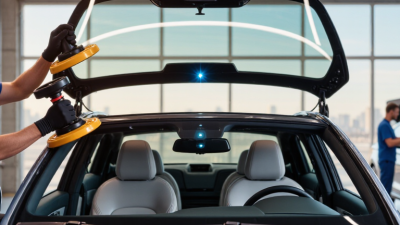
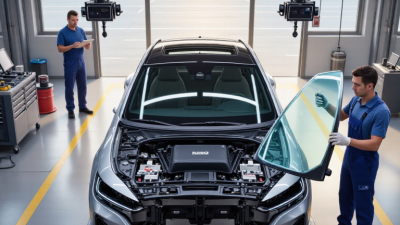
Modern windshields may support cameras for lane guidance, emergency braking, or traffic recognition. Removing the glass can disturb the camera position by only a few millimeters. That change may affect system accuracy. After replacement, technicians should inspect sensor placement and perform the required static or dynamic ADAS calibration. Procedures vary by vehicle. Pre-repair scans, post-repair scans, target placement, road testing, and written records may all be necessary. Some jobs look finished before they are safe.

Tips: Confirm the correct glass specification and adhesive system. Check the required safe-drive-away time before driving. Keep the vehicle level during calibration. Avoid guessing when warning lights remain active. A rushed calibration can pass visually but fail functionally. Technicians should review the procedure again when conditions, tools, or vehicle damage differ. Calibration is precise work, yet human error remains possible.