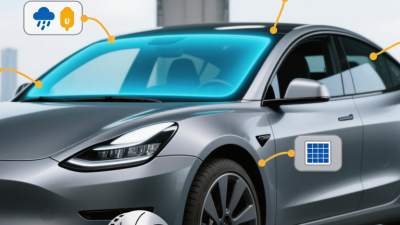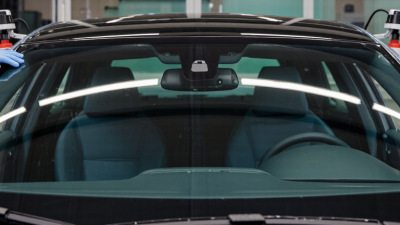
In 2026, choosing an auto windshield supplier requires more than comparing catalog prices. The right partner affects driver visibility, installation accuracy, delivery stability, and customer trust. This choice becomes harder as vehicles add cameras, sensors, heating elements, and specialized glass coatings. A low quote may hide poor optical quality or weak technical support. Ask for evidence. Look for documented quality systems, material traceability, batch testing, and clear warranty terms. Suppliers should explain how they control distortion, edge damage, packaging, and transport vibration. Specific answers matter more than polished sales language.
Practical evaluation should combine factory evidence with field experience. Request samples and inspect them under daylight, workshop lighting, and a clean installation frame. Check the viewing area for waviness, bubbles, scratches, and uneven color. Confirm whether the supplier supports accurate ADAS recalibration after replacement. Technical documents should identify compatible vehicle models, glass markings, adhesives, and curing requirements. Reliable suppliers also provide responsive communication, realistic lead times, and shipment tracking. Talk with installers who have handled the product through several seasons. Their feedback often reveals recurring cracks, difficult fitting, or delayed warranty responses.
Still, no checklist is perfect. Supplier performance can change after a new factory, distributor, or production batch appears. That is why 2026 sourcing decisions should include trial orders, periodic reviews, and measurable service standards. Do not trust claims without records. Compare total operating cost, not only purchase price. A dependable auto windshield partner should make quality visible, problems manageable, and replacement work safer. This guide explores the questions, tests, and warning signs supporting a more defensible supplier decision.
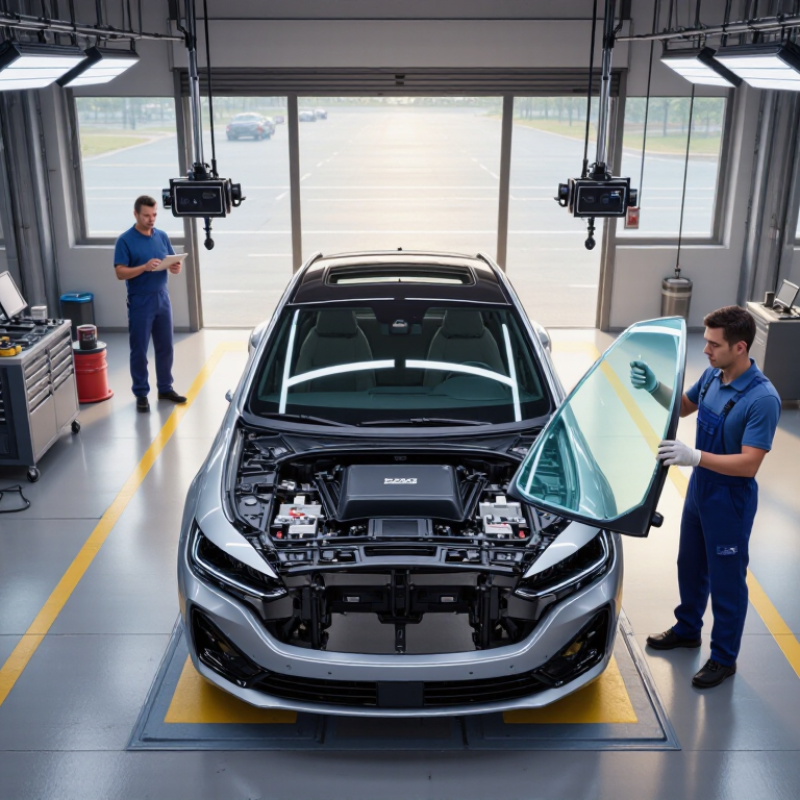
Define your windshield requirements before comparing suppliers. Record the exact VIN, model year, body style, and production month. OICA reported 93.5 million motor vehicles produced worldwide in 2023, so model names alone cannot ensure compatibility. A 2024 vehicle may use different glass from the same model built months earlier.
Check for camera brackets, rain sensors, heating elements, acoustic layers, head-up display areas, tint bands, and special molding. Confirm the glass markings and dimensions against technical drawings. NHTSA’s 2024 automatic emergency braking rule aims to prevent about 360 fatalities and 24,000 injuries annually. This highlights the importance of correctly positioned windshield cameras and sensors. Ask suppliers whether they provide calibration instructions, approved targets, and post-installation verification.
Do not accept “fits this model” as sufficient proof. It is too vague. Request a compatibility matrix linked to VIN ranges and original equipment references. Verify whether calibration is static, dynamic, or both. Require documented quality checks for optical distortion, edge defects, and camera-bracket alignment. A small viewing error can become a serious driving problem.
Even experienced purchasing teams miss production changes. I would recheck every unusual specification before ordering. Suppliers should provide batch traceability, test records, and clear handling procedures. Industry reports often describe vehicle technology, but they rarely replace a physical inspection. Keep a sample windshield nearby when evaluating new suppliers; compare its curvature, markings, and sensor placement directly.
A reliable windshield supplier should prove quality beyond a polished website. Ask for current certificates, audit reports, and production records. Check whether ISO 9001 or IATF 16949 certification covers the actual factory, not only a trading office. Confirm the certificate issuer, scope, and expiration date independently. A certificate can look impressive. Verify it.
Review manufacturing controls in detail. The supplier should explain glass cutting, bending, laminating, heating, and inspection procedures. Request batch traceability from raw glass to final packing. Examine sample windshields under direct light. Look for edge chips, bubbles, optical distortion, uneven frit, or poor curvature. Ask how rejected pieces are isolated. Manufacturing standards must support applicable vehicle-glass requirements in your target markets, such as FMVSS 205 or UNECE R43. Requirements differ, so vague answers deserve caution.
Tips: Visit the facility when possible. Watch one production shift, not only a presentation. Compare inspection data with physical samples. Ask for corrective-action records from previous defects. Check packaging strength, storage conditions, and delivery consistency. Do not judge quality from one perfect sample. A supplier may perform well during evaluation, then weaken controls later. Set measurable acceptance limits, schedule follow-up audits, and keep communication documented. I have found that honest suppliers admit limitations quickly; that small hesitation can be more useful than a flawless sales answer.
Glass technology should be checked before price. According to Grand View Research’s 2024 Automotive Glass Market report, the global market was valued at about USD 23.6 billion in 2023. Growth is being driven by laminated glass, acoustic layers, and advanced driver-assistance systems. Ask suppliers about light transmission, impact resistance, optical distortion, and acoustic performance. A clear windshield must remain clear at night, not only under showroom lighting.
Product range matters during real repairs. A reliable supplier should offer windshields for passenger cars, electric vehicles, commercial vehicles, and older models. Confirm availability of solar-control glass, heated glass, rain-sensor windows, and camera-compatible designs.
UNECE Regulation No. 43 provides widely recognized safety requirements for automotive glazing. Suppliers should also explain testing records, traceability, and certification documents. Do not accept vague claims.
Customization can reduce installation problems. Request exact dimensions, sensor brackets, frit patterns, tint levels, and packaging methods. A 2024 automotive aftermarket study by S&P Global Mobility reported that vehicle age and technology complexity are increasing repair challenges. That affects lead times. I once focused too heavily on unit cost. It was a mistake. A low-priced windshield became expensive after calibration delays and poor fitting. Ask for sample approval, batch inspection, and technical support before signing a long-term agreement. Small details matter.
Choosing auto windshield suppliers in 2026 requires more than comparing unit prices. A low quote may exclude packaging, calibration support, or regional freight charges. Request an itemized quotation with glass type, dimensions, certification documents, and replacement terms. Then compare landed cost, not the invoice alone. Ask for recent production records and monthly capacity. A supplier should explain output during peak seasons, mold changes, and raw material shortages. Evidence matters. Review sample inspection reports, defect rates, and photographs of edge finishing. A small trial order can expose inconsistent curvature or poor protective film. It costs time, but it may prevent larger losses.
Delivery promises need measurable details. Confirm lead time from order approval to loading, shipping schedules, carton dimensions, and handling procedures. Ask how damage is recorded when pallets arrive. Include a written process for shortages, cracks, and delayed shipments. Real reliability appears during problems, not during sales calls. Track several deliveries before increasing order volume. One late shipment does not prove failure, but repeated excuses deserve attention. Warranty policies also need careful reading. Check coverage periods, qualifying defects, evidence requirements, labor exclusions, and response deadlines. Clarify whether replacement glass or credit is provided. Keep installation photos, batch numbers, and receiving records. These details support fair claims. Some suppliers offer impressive warranties but respond slowly. That gap is easy to overlook. Reconsider the supplier if policy language is vague, even when pricing seems attractive.
| Supplier ID | Primary Supply Region | Product Coverage | Indicative Unit Price (USD, EXW) |
Minimum Order Quantity | Monthly Capacity (Pieces) |
Standard Production Lead Time | Average On-Time Delivery | Packaging & Shipment Readiness | Warranty Policy | Claim Response Target | Quality Documentation | Overall Evaluation |
|---|---|---|---|---|---|---|---|---|---|---|---|---|
| Supplier A | East Asia | Tempered side glass, laminated windshields, acoustic glass, HUD-compatible glass | US$78–145 | 100 pieces per part number | 45,000 | 25–35 days | 96% | Export cartons, corner protection, wooden pallets, container loading photos | 24 months against manufacturing defects; excludes installation damage | Within 2 business days | Traceability by batch, dimensional inspection, optical distortion report, packing checklist | Strong |
| Supplier B | Central Europe | Laminated windshields, heated glass, camera-area preparation, solar-control glass | US$118–220 | 50 pieces per part number | 28,000 | 18–28 days | 98% | Reinforced reusable racks, barcode labels, moisture protection, mixed-SKU loading | 36 months against delamination, fitment, and production defects | Within 1 business day | Material certificates, optical quality checks, edge-strength records, batch traceability | Excellent |
| Supplier C | North America | High-volume replacement windshields, laminated glass, rain-sensor cutouts | US$132–248 | 25 pieces per part number | 20,000 | 10–18 business days | 97% | Domestic pallet shipping, regional distribution inventory, barcode-based receiving | 12 months against manufacturing defects; replacement or credit option | Within 2 business days | Incoming glass inspection, fitment records, lot identification, damage reporting process | Excellent |
| Supplier D | South Asia | Standard laminated windshields, bus and commercial-vehicle glass, flat automotive glass | US$64–128 | 150 pieces per part number | 36,000 | 35–50 days | 91% | Standard export cartons, foam separators, palletized container loading | 12 months against visible manufacturing defects | Within 3 business days | Basic dimensional report, visual inspection, packing list, shipment photos | Competitive |
| Supplier E | Eastern Europe | Laminated windshields, acoustic interlayers, ADAS camera-window preparation | US$105–198 | 75 pieces per part number | 24,000 | 22–32 days | 95% | Returnable steel racks, anti-scratch separators, shipment condition records | 24 months against delamination and manufacturing defects | Within 2 business days | Quality-control plan, optical inspection, curvature measurement, lot traceability | Strong |
| Supplier F | South America | Replacement windshields, laminated side glass, commercial-vehicle applications | US$96–176 | 80 pieces per part number | 18,000 | 28–42 days | 93% | Regional warehouse support, reinforced cartons, standard export pallets | 18 months against manufacturing defects; freight damage handled separately | Within 3 business days | Basic batch records, product inspection checklist, packaging inspection report | Suitable |
| Supplier G | Middle East and North Africa | Standard replacement windshields, heat-reflective glass, truck and bus glass | US$82–154 | 120 pieces per part number | 22,000 | 30–45 days | 89% | Export cartons, foam protection, palletized shipments; limited mixed-SKU capability | 12 months against manufacturing defects; inspection required within 7 days | Within 5 business days | Visual inspection report, packing list, shipment photos; limited digital traceability | Review Carefully |
| Supplier H | East Asia | Premium laminated windshields, acoustic glass, heated glass, ADAS-ready designs | US$145–285 | 40 pieces per part number | 16,000 | 20–30 days | 97% | Custom foam fixtures, reusable racks, humidity controls, serial-level labeling | 36 months against delamination, optical distortion, and fitment defects | Within 1 business day | Advanced optical testing, curvature mapping, material certificates, full batch traceability | Excellent |
Evaluation notes: Unit prices are indicative EXW ranges and should be confirmed by part number, glass specification, annual volume, packaging method, tooling requirements, and destination. On-time delivery refers to shipments dispatched on or before the confirmed date. Warranty coverage should be reviewed together with claim evidence requirements, freight-damage procedures, replacement terms, and installation-related exclusions.
Choosing an auto windshield supplier in 2026 requires evidence, not polished brochures. NHTSA’s Traffic Safety Facts 2022 recorded 40,901 U.S. road deaths. A windshield supports occupant protection, visibility, and camera mounting. Ask suppliers for batch traceability, impact-test records, distortion limits, and documented quality inspections. Verify compliance with FMVSS 205 or UNECE R43, depending on the target market. Certificates should match the actual production site.
Reliability also appears in small details. Can the supplier replace a damaged batch within 48 hours? Are serial numbers linked to glass, adhesive, and inspection results? For vehicles with driver-assistance cameras, require recalibration procedures and post-installation reports. AAA research has shown that advanced safety systems can need recalibration after windshield replacement. That makes technical support part of product quality. A low unit price may become expensive after failed calibration, delayed delivery, or repeated claims.
Tips: Request three recent delivery-performance reports. Check complaint rates, response times, and warranty closure records. Visit the plant if possible. Watch one production shift. Ask how rejected glass is isolated. Also review business-continuity plans, cybersecurity controls, and responsible material sourcing. ISO 9001 certification helps, but it does not guarantee perfect execution. That assumption needs challenging. A supplier may pass an audit and still struggle during a sudden demand surge. Choose partners offering engineering updates, training, spare capacity, and transparent communication for several years.
Recommended assessment weighting for supplier reliability, compliance, and long-term support
Use this scorecard to compare suppliers consistently. Reliability covers delivery performance, defect control, and production capacity. Compliance verifies quality-management systems and applicable automotive glazing requirements, while long-term support includes warranty handling, technical documentation, traceability, and continuity planning.