How to Choose Insulated Glass for Your Project
Choosing insulated glass is more than selecting two panes with a sealed space between them. The right unit can reduce heat transfer, soften outdoor noise, and limit uncomfortable cold near a window. The wrong specification may still look fine on delivery day. Problems can appear later as condensation, drafts, or disappointing energy performance. Small details matter.
Start with the building’s climate, window orientation, and room use. A sunny west-facing room may need different solar control from a shaded bedroom. Consider the glass coating, cavity width, gas fill, and spacer together; each affects performance. Check the full window assembly, too, since glass alone cannot correct a poorly fitted frame. Ask suppliers for documented thermal and acoustic ratings, and compare like with like. Clear answers are useful. Vague claims are not.
Safety and durability deserve attention as well. Large panes, doors, and areas near walking surfaces may call for safety glazing, depending on the project and applicable local requirements. Confirm details with a qualified installer or building professional before ordering. Also check that the selected unit suits the frame depth and expected exposure to wind and temperature changes. Specifications can feel overly technical at first. That is understandable. This guide explains the main choices in practical terms, while noting where project-specific advice matters. No single insulated glass setup suits every building, and even a careful comparison can leave questions worth revisiting.
Define Your Project’s Insulated Glass Requirements
How to Choose Insulated Glass for Your Project
Define Your Project’s Insulated Glass Requirements
Start with the room, not a generic glass specification. A west-facing living room may need stronger solar control than a shaded north-facing hallway. The U.S. Department of Energy’s Energy Saver guidance estimates that windows account for 25–30% of residential heating and cooling energy use. That makes orientation, climate, and heating or cooling loads practical starting points.
Set measurable priorities. The National Fenestration Rating Council label lists U-factor and solar heat gain coefficient (SHGC); lower U-factor generally means less heat transfer, while SHGC helps indicate solar heat entering the space. Check visible transmittance if daylight matters. Compare the same metrics across options, and confirm the rating applies to the complete unit, not just one glass layer.
Then note constraints installers can verify: rough-opening dimensions, frame depth, wind exposure, indoor humidity, and nearby traffic noise. In a cold, humid room, a warm-edge spacer may help reduce condensation, but installation and ventilation matter too. Details count. Ask for glass thickness, cavity width, coating position, and safety-glazing requirements where relevant. A specification can look excellent on paper and still miss the project’s real need; measure the actual opening and discuss site conditions before ordering.
Understand Insulated Glass Units and Their Components
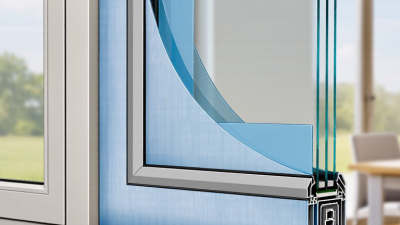
An insulated glass unit (IGU) is made from two or more panes sealed around a spacer. The spacer holds the panes apart, while a desiccant inside it helps absorb moisture. The sealed cavity may contain air or an insulating gas. A low-emissivity coating can reflect some heat while still allowing daylight through. Each part has a job. If the edge seal fails, moisture can enter and fog may form between the panes.
When comparing units, consider climate, orientation, noise, and the building frame. A south-facing window may need different solar control from a shaded north-facing one. The glass thickness and cavity width also affect weight and performance, so confirm that the frame can support the selected unit. Ask for documented thermal and acoustic ratings, and check that the quoted values match the complete unit. It is easy to focus on the center of the glass and overlook its edges; that deserves a closer look.
Tips: Check the spacer and edge-seal details, not just the glass coating. Match the unit to the frame and local conditions. If specifications are unclear, ask the supplier to explain them in writing.
Compare Thermal, Solar, Acoustic, and Safety Performance
Choosing insulated glass means balancing four performance measures, not chasing one impressive number. Thermal performance depends on the whole unit, including the frame, edge spacer, and installation. Compare whole-window U-factors, not glass-only figures. Low-emissivity coatings and gas-filled cavities can reduce heat transfer, but their value depends on climate and construction details. Check the whole assembly. A warm center pane can still sit beside a chilly frame.
Solar performance matters most where sunlight is strong. The solar heat gain coefficient indicates how much solar heat passes through; visible transmittance describes daylight. A west-facing room may benefit from lower solar gain, while a shaded north-facing room may need more daylight. Coatings can also change the glass’s appearance, so review samples in natural light. Acoustic performance calls for a different check. Laminated glass, different pane thicknesses, and wider cavities may help reduce certain noises, but results vary by frequency. Poor seals can undermine the glass.
Safety depends on location and likely impact. Tempered glass breaks into smaller pieces, while laminated glass is designed to hold fragments together. Near doors or low windows, confirm the required safety type for the project and local codes. Ask for tested performance data, and compare it with the actual frame and installation plan. Numbers on a specification sheet are useful, but they do not capture every site condition. A small mismatch can matter.
Match Glass Specifications to Climate and Building Use
Climate should shape insulated-glass specifications, not just the appearance of the window.
In cold regions, a lower U-factor helps limit heat loss; in sunny climates, a lower solar heat gain coefficient can reduce unwanted heat. The U.S. Department of Energy estimates that windows account for about 25–30% of residential heating and cooling energy use. That is a meaningful share. Check the National Fenestration Rating Council label for certified U-factor and solar heat gain coefficient values, then compare them with local conditions and the building’s orientation. A west-facing room with afternoon sun may need different glass from a shaded north-facing one.
Building use matters just as much. A bedroom may benefit from reduced outside noise, while a large office façade may need stronger solar control to manage glare and cooling demand. For a cold-climate home, low-emissivity coatings and gas-filled insulating glass units can improve thermal performance; however, performance depends on the frame, spacers, installation, and air sealing too. The DOE’s Energy Saver guidance also recommends considering climate and window orientation when selecting glazing. Do not assume one specification suits every elevation. Measure the existing opening and review condensation risks with a qualified designer. Sometimes the best choice is less obvious than the sales sheet suggests.
Verify Standards, Frame Compatibility, and Installation Needs
Insulated glass should match the project, not just look impressive on a specification sheet. Verify that the proposed unit meets applicable safety and performance standards for its location. Check documented thermal values, such as U-factor, and confirm whether the test data applies to the complete glazing unit. Requirements vary by building type and climate. Ask for current test documentation when figures are unclear.
Frame compatibility matters just as much. Confirm the glass thickness, overall unit depth, edge clearance, and weight suit the frame and glazing beads. A unit that barely fits can create pressure points or complicate replacement. Installation needs also deserve attention: check access for handling, setting-block locations, drainage paths, and sealant compatibility. A high performance rating is not a guarantee; poor drainage or rushed sealing can still cause problems. Small details matter.
Tips: Measure the frame opening at several points, since older frames may not be square. Share those measurements with the glass supplier and installer before ordering. Ask who will verify clearances on site. If the answer is vague, pause and clarify.
How to Choose Insulated Glass for Your Project
Lower U-factor means less heat transfer. These representative center-of-glass values are estimates, not product ratings; actual performance varies with glass coatings, gas fill, spacers, and construction. Verify applicable standards and certified whole-window ratings, confirm the IGU fits the frame, and follow the glazing system’s installation requirements.