How to Find the Best Auto Glass Places in 2026?

A cracked windshield can change how clearly you see the road, and a poor repair may create new problems. In 2026, comparing auto glass places means looking beyond the first price shown online. The right shop should explain whether your glass needs repair or replacement, what the work includes, and how long it may take. Details matter.

Ask who will do the work and what training or credentials the technicians have. If your vehicle has a forward-facing camera or driver-assistance sensors, ask whether recalibration is needed after replacement. The shop should describe its process and provide written details about parts, labor, and warranty coverage. A vague answer is worth noticing.

Price still matters, but the lowest quote may not include the same glass, mobile service, or calibration. Read recent customer feedback for specific accounts of scheduling, cleanup, and follow-up—not just star ratings. Check whether the business can explain its recommendations without pressuring you to decide immediately. A polished website can still hide a rushed process, so verify details directly. Not price alone.

Comparing a few local providers can make their differences easier to spot. Save each estimate, note what is included, and ask how the shop handles leaks or other concerns after installation. No comparison is perfect; online reviews can be incomplete, and estimates may change after inspection. A careful choice starts with clear answers, competent workmanship, and terms you understand before booking.
How to Find the Best Auto Glass Places in 2026?

Define “Best” by Safety, Certification, Warranty, and Service Fit

A “best” auto glass shop is not simply the closest one or the fastest to answer. Safety comes first. NHTSA’s Traffic Safety Facts: 2022 Data reports about 2.38 million people were injured in traffic crashes that year; it does not attribute those injuries to glass, but it shows why visibility and sound repairs matter. NHTSA’s Federal Motor Vehicle Safety Standard 212 also sets windshield-retention requirements during crashes. Ask whether the shop follows the current ANSI/AGSC/AGRSS installation standard, and request technician credentials. A neat waiting room proves little. The details matter: correct adhesive, clean bonding surfaces, and safe-drive-away time explained clearly.

Check the warranty in writing. Does it cover leaks, wind noise, loose trim, and installation defects? Are sensor calibration and follow-up checks included, or billed separately? A vague “lifetime warranty” is not enough. Read the exclusions. Service fit matters, too. If your vehicle has a forward-facing camera, ask how recalibration will be handled and documented after replacement. Mobile service can be convenient, but the installer still needs suitable weather, workspace, and curing conditions. Compare appointment windows, glass options, and total price—not just the first quote. I might still overlook a small detail, like a missing calibration record; ask for it before driving away.

How to Find the Best Auto Glass Places in 2026?

Define “best” by safety, certification, warranty, and service fit.

Use this suggested 100-point rubric to compare providers: prioritize safe installation and any required ADAS recalibration, then check technician qualifications, written warranty terms, and whether the service fits your vehicle and needs. The weights are an illustrative checklist, not an industry survey or measured rating.

Check Compliance with the ANSI/AGSC/AGRSS 005-2022 Installation Standard

How to Find the Best Auto Glass Places in 2026?

Check Compliance with the ANSI/AGSC/AGRSS 005-2022 Installation Standard

When comparing auto glass shops in 2026, ask whether their replacement work follows ANSI/AGSC/AGRSS 005-2022, the Automotive Glass Replacement Safety Standard. A dependable shop should explain how it applies the standard to your vehicle, not just point to a certificate. Ask who will do the installation and how technicians keep their skills current.

Details matter. The installer should inspect the frame for corrosion or damage before fitting new glass. They should use compatible materials and follow the adhesive manufacturer’s instructions, including the safe-drive-away time. That time can vary with temperature, humidity, and product choice. Ask how the shop confirms it. A vague answer is worth noting. Also ask whether the work is documented and whether your vehicle needs specific steps, such as reconnecting or calibrating driver-assistance cameras after windshield replacement.

A written estimate helps, but it cannot prove careful workmanship. Look for clear answers, a tidy work area, and a willingness to explain any limitations. Some vehicles and damaged frames are not straightforward. If someone promises a quick fix without inspecting the vehicle, pause. It is easy to miss a useful question when you are standing at the counter. Keep the standard’s name handy and ask for a plain-language explanation.

Confirm ADAS Calibration Follows Vehicle-Maker Procedures

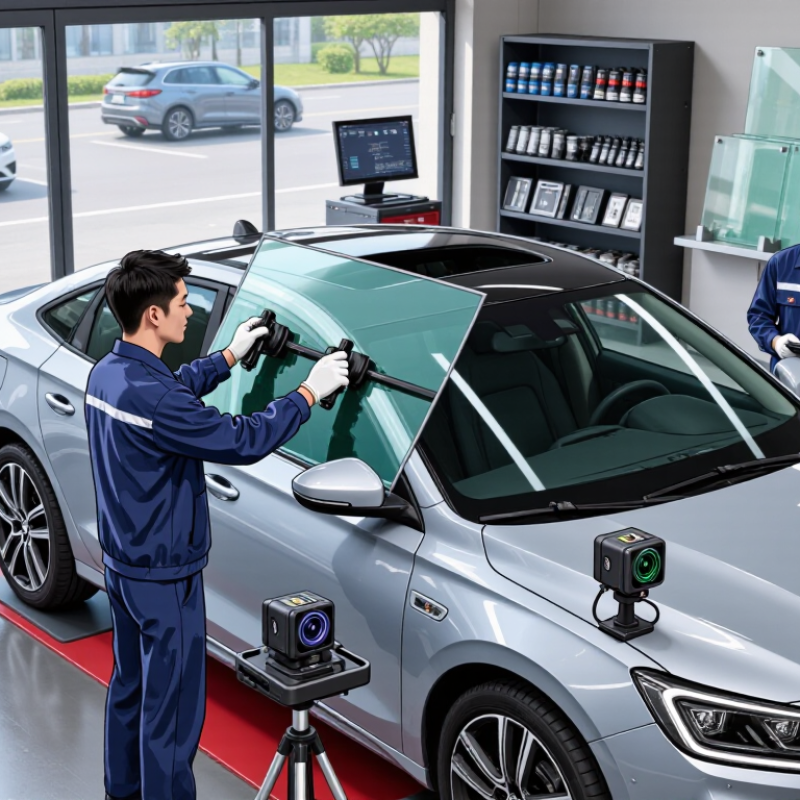
When a windshield is replaced, ask whether the vehicle’s forward-facing camera needs recalibration. The answer depends on the vehicle and the work performed. A careful shop checks the vehicle-specific service procedure, rather than relying on a universal shortcut. Calibration may require a stationary setup with targets, a road drive, or both. Small details matter: target distance, floor level, tire pressure, and camera mounting position can affect results.

Ask for a pre- and post-repair scan, the calibration method used, and a written completion report. The report should identify any fault codes that remain. The Auto Glass Safety Council’s ANSI/AGSC/AGRSS Standard 005 addresses proper auto-glass replacement practices, including following vehicle-maker instructions. A polished invoice is not proof. Request documentation.

ADAS is not a minor feature. In a 2016 study, the Insurance Institute for Highway Safety found that forward collision warning with automatic braking was associated with 50% fewer rear-end crashes and 56% fewer injury crashes. Those figures do not guarantee performance in every vehicle, but they show why calibration deserves attention. If a shop cannot explain its procedure in plain language, pause and ask more. Even experienced technicians can overlook a detail; transparent records make that easier to catch.

Compare Written Quotes for Glass Type, Labor, Calibration, and Fees

When comparing auto glass shops in 2026, request a written, itemized quote instead of relying on a phone estimate. Ask which glass is included: original-equipment, equivalent aftermarket, or another specified grade. The wording matters. The quote should identify your vehicle’s year, model, and trim, plus any nearby rain sensor, camera, or heating elements. Small differences can affect fit and cost.

Have labor listed separately, including removal, installation, cleanup, and any molding or clips. If your vehicle uses a driver-assistance camera, ask whether calibration is required, where it will happen, and whether the price includes checks before and after installation. Get fees spelled out, too: mobile service, disposal, shop supplies, taxes, or extra charges for rust or damaged trim. No surprises.

Compare the same details across at least two written quotes. Ask how long the work and calibration may take, and whether you’ll receive a record of completed checks. Confirm what happens if a leak, wind noise, or warning light appears afterward. A low total can hide exclusions, but a polished quote does not prove careful work. It is easy to miss one line, so double-check the terms before approving the job.

Check Insurance, Warranty Terms, and NHTSA’s 2029 AEB Rule Context

When comparing auto glass shops, treat insurance and camera calibration as part of the same repair decision. Ask your insurer whether glass claims affect your deductible and whether the shop can bill directly. Get warranty terms in writing. They should explain coverage for leaks, installation defects, and recalibration, plus any exclusions. A “lifetime” promise means little if its limits are unclear. One detail gets missed.

NHTSA’s 2024 final rule requires automatic emergency braking, including pedestrian detection, on nearly all new light vehicles by September 2029. The agency estimates the standard could prevent 360 deaths and 24,000 injuries annually. The rule applies to new vehicles; it does not require every existing car to be retrofitted. Still, it makes dependable repair and calibration worth asking about.

Many AEB systems use cameras mounted near the windshield. Ask whether the shop checks calibration after replacement and provides the results. IIHS research reported that vehicles with forward collision warning and automatic braking had 50 percent fewer rear-end crashes. That finding does not guarantee a specific repair outcome, but it shows why sensor performance matters. Keep the invoice and calibration record with your vehicle documents. I would not choose by price alone; I’d compare the written details, too.