How Much Does It Cost to Change a Windshield?
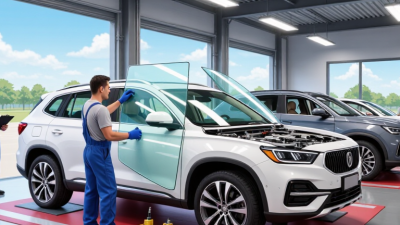
A windshield can look like a simple sheet of glass, but replacing it may involve sensors, cameras, and careful installation. The cost of a windshield change depends on your vehicle’s make, model, glass type, and location. A basic replacement may cost far less than one involving a heated windshield or advanced driver-assistance systems (ADAS). There is no single price that fits every car.
AAA’s 2018 research on windshield replacement in vehicles equipped with ADAS found that sensor recalibration can add substantially to the job. That matters when a camera sits behind the rear-view mirror: after new glass is installed, the system may need calibration to function as intended. The Auto Glass Safety Council’s ANSI/AGSC/AGRSS standard also sets professional practices for replacement work, underscoring that installation quality matters alongside the invoice.
Details change the quote. A repair shop may price original-equipment glass differently from an aftermarket option, while labor, mobile service, and calibration can affect the final total. Insurance coverage may reduce your out-of-pocket cost, but deductibles and policy terms vary. Ask whether the estimate includes calibration, moldings, disposal, and taxes. Get it in writing.
A low quote is not automatically a good deal. Nor is the most expensive one automatically necessary. This guide explains typical price factors, how insurance can apply, and what to ask before approving work. Exact prices still require your vehicle details and a local estimate.
What Is the Typical Cost to Replace a Windshield?
In the United States, a typical windshield replacement costs about $300 to $600, including parts and labor. A simpler vehicle may fall below that range, while newer models can cost much more. The glass itself is only part of the bill. Labor, rain sensors, heating elements, and built-in cameras can all affect the final price.
Camera calibration matters. If a vehicle has a driver-assistance camera near the windshield, the shop may need to recalibrate it after installation. That can add roughly $100 to $400, though costs vary by vehicle and procedure. Some replacements can exceed $1,000 when specialized glass and calibration are both required. Ask for an itemized estimate. It should say whether calibration is included and whether the glass is original-equipment or an equivalent alternative. Those details are easy to overlook.
Insurance may cover replacement, depending on your policy and deductible. A low quote is not automatically a bargain if it excludes sensors, moldings, or required calibration. I would compare the written estimates carefully; even then, the final amount can change if hidden damage appears after removal. That uncertainty is real.
Which Factors Influence the Replacement Price?
How Much Does It Cost to Change a Windshield?
Which Factors Influence the Replacement Price?
A windshield quote depends on more than the glass itself. The vehicle’s year and model affect the shape, thickness, and availability of the replacement. A heated windshield or one with an acoustic layer may cost more than standard glass. So can rain sensors, cameras, and other equipment mounted near the rear-view mirror. Two cars parked side by side can receive very different estimates.
Driver-assistance systems can add a significant charge. AAA’s 2018 study, “Advanced Driver Assistance Systems (ADAS): A Costly Repair,” estimated camera recalibration at about $300 to $600. After some replacements, calibration is needed to help safety features read the road correctly. That is not just a line-item detail. Ask whether the estimate includes it, and whether calibration is performed in-house or separately. Labor rates, local glass availability, and mobile service can also shift the final price. A low quote may exclude moldings, sensor work, or disposal fees. I would check the itemized estimate; even then, a final price can change if hidden damage appears once the old glass is removed.
How Do Glass Type and Vehicle Features Affect Cost?
A windshield is not always a plain sheet of glass. Most are laminated, but the exact construction varies by vehicle. Acoustic layers can reduce road noise; solar coatings may limit heat and glare. Some windshields also include heating elements or a special area for a head-up display. These features can make the correct replacement glass more expensive than a basic version. Fit matters, too. A windshield with the wrong coating or sensor bracket may not work properly, even if it appears to fit. Exact price differences depend on the vehicle, so a single universal add-on estimate can be misleading.
The larger cost increase may come from driver-assistance equipment. Cameras and sensors mounted near the windshield often need recalibration after replacement. AAA’s 2018 report on advanced driver-assistance systems estimated that windshield-related recalibration could add $300 to $600. That figure is for calibration, not necessarily the glass or installation. Ask whether the quote includes both static and road-based calibration, when the vehicle requires them. A detailed quote helps reveal what is included. Still, estimates can miss local labor differences. A small detail, like a heated wiper area, can change which glass is compatible.
What Services and Fees Are Included in a Replacement Quote?
A windshield replacement quote usually covers more than the glass itself. Ask whether the price includes removal of the damaged windshield, installation labor, and new molding or clips. These small parts matter. If they are worn or damaged, they may add to the bill. The quote may also include disposal of the old glass, shop supplies, and taxes. Prices vary with the vehicle, glass specifications, and local labor rates, so compare itemized quotes rather than headline prices alone.
Some vehicles need camera or sensor calibration after installation. This service can be a significant part of the total, so confirm whether it is included and how the shop verifies the system afterward. Mobile service may carry an additional fee, while insurance coverage can change what you pay out of pocket. Ask about warranties on both the glass and installation, and request a written estimate. It is easy to focus on the glass price and miss a separate calibration charge.
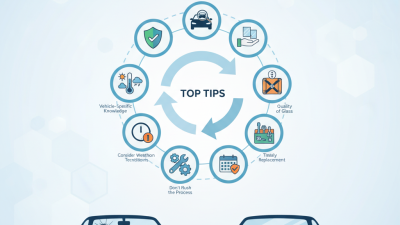
Tips: Check that the quote lists glass type, labor, calibration, fees, and taxes. Ask what could change the final price. A little awkward, perhaps, but clear questions now can prevent surprises later.
How Can Insurance and Repair Options Change Your Out-of-Pocket Cost?
How Much Does It Cost to Change a Windshield?
Your out-of-pocket cost depends on more than the glass itself. A policy with comprehensive coverage may pay for replacement, but you may still owe a deductible. If the deductible is higher than the quoted repair cost, paying directly could make more sense. Check your policy and ask the insurer what it covers before approving work. Coverage details vary.
Repair options also affect the bill. A small chip may be repairable, while a spreading crack often requires replacement. Some newer vehicles need camera or sensor calibration after installation. That can add labor and should appear on the estimate. Ask whether the quoted glass meets your vehicle’s specifications, and request an itemized price. Cheap is not always simple. I’d compare the full cost, not just the glass line; it’s easy to miss calibration or fees.
Tips: Photograph the damage and note its size before calling. Ask your insurer whether a claim affects your deductible, then compare that answer with a written estimate. Confirm who handles calibration and whether it is included. If the crack is near your line of sight, get professional advice promptly. Repair decisions can feel rushed, and I might still overlook a fee—so read the estimate twice.