What Are the Top Types of Sliding Glass Doors in 2026?

Sliding glass doors can make a room feel brighter and more open, but different designs solve different problems. In 2026, popular options include traditional two-panel doors, multi-panel systems, stacking doors, pocket doors, and lift-and-slide models. Some suit a compact patio. Others create a wide opening onto a garden or deck.

Small details matter. A recessed track can reduce a trip edge, while a low threshold may help with everyday access. Yet larger glass panels can feel heavy, and even a beautiful door may be awkward if furniture blocks its path. There is no perfect type for every home.

This guide compares the main styles and explains what sets each one apart. It considers panel layout, opening space, frame materials, glazing, and ease of operation. A two-panel door may be simple to fit into a familiar layout; a stacking system can open more of a wall, but may require extra room for its panels. Pocket doors disappear into a wall, though they need suitable construction.

Climate and installation also deserve attention. Insulated glass can improve comfort, but performance depends on the complete door system and how well it is fitted. Product names and specifications vary by manufacturer, so compare published details rather than relying on labels alone. The right choice balances space, budget, views, and daily use—and sometimes the trade-offs are less obvious than they first appear.
What Are the Top Types of Sliding Glass Doors in 2026?

What Defines a Sliding Glass Door and Its Main Components?

A sliding glass door is a glazed opening with one or more panels that move horizontally along tracks. Unlike a hinged door, it does not swing into the room or onto a patio. The moving panel typically slides past a fixed panel, though some systems have multiple movable panels. It sounds simple. Yet the layout affects the clear opening, ventilation, and furniture placement.

The frame holds the glass and supports the door assembly. Tracks guide the panels, while rollers beneath the moving panel help it glide; dirt or wear can make movement rough. The glass may be a single pane or an insulated unit with two panes and a sealed gap. Handles and a locking mechanism control access, and weatherstripping helps limit drafts and water entry around the meeting edges. A sill sits at the bottom and must manage drainage as well as foot traffic. Details vary by design. When assessing a door, check how smoothly it moves, whether the lock engages cleanly, and whether seals remain even. I still find the sill easy to overlook, though it often tells you a lot about upkeep.

Which Standard Sliding Glass Door Types Are Most Common?

The two-panel sliding door is the familiar standard layout. One panel stays fixed; the other glides along a track. It is familiar. This arrangement suits many patio openings and gives a broad glass view when closed. Only half the opening is usable, though, which can feel restrictive when carrying a chair outside.

Three-panel doors add another section, often with one fixed panel and two panels that slide. Configurations vary, so check which panels actually move before measuring furniture or planning a route through the doorway. That detail matters. A wider opening can make a busy patio easier to access, but the unit needs more wall space.

Four-panel sliding doors commonly have fixed panels at the sides and two moving panels near the center. The sliders meet or separate to create a broad central passage. This layout can suit larger rooms, but it needs adequate clearance and a sturdy, level track. Standard does not mean universal. Opening widths, panel operation, and frame dimensions vary, so verify the measurements for the specific opening. Dust in the track can also make panels harder to move over time.

How Do Pocket, Bypass, and Stacking Doors Work?

Pocket, bypass, and stacking doors solve different space problems. A pocket door slides into a cavity inside the wall, leaving the opening clear when open. It suits tight rooms, but the wall must accommodate the pocket and its track. Repairs can be awkward later. A bypass system uses two or more panels that slide past each other on parallel tracks. It is common for closets and wide openings, though one panel always covers part of the opening.

Stacking doors move several panels along a track, gathering them beside one another at the end. This creates a wider passage than a bypass door, often connecting a living room to a patio. The trade-off is visible: stacked panels still occupy wall space, and the track needs careful cleaning. The U.S. Department of Energy’s Energy Saver guidance estimates that heat gain and loss through windows account for 25–30% of residential heating and cooling energy use. Glazed door performance also depends on glass, seals, frame, and installation—not the opening style alone.

Tips: Measure the clear opening, not just the frame. Check where panels park, and inspect the floor track for grit. Ask how the system handles drainage and weather seals. A sleek threshold can look great, but it may not suit every site.

What Are the Top Types of Sliding Glass Doors in 2026?

Typical panel counts in common pocket, bypass, and stacking door configurations

How they work: A pocket door slides into a cavity in the wall. Bypass panels slide past one another on parallel tracks. Stacking panels slide and gather together at one side of the opening. Panel counts vary by design; the chart shows representative configurations, not a universal standard.

What Sets Folding, Lift-and-Slide, and Corner Systems Apart?

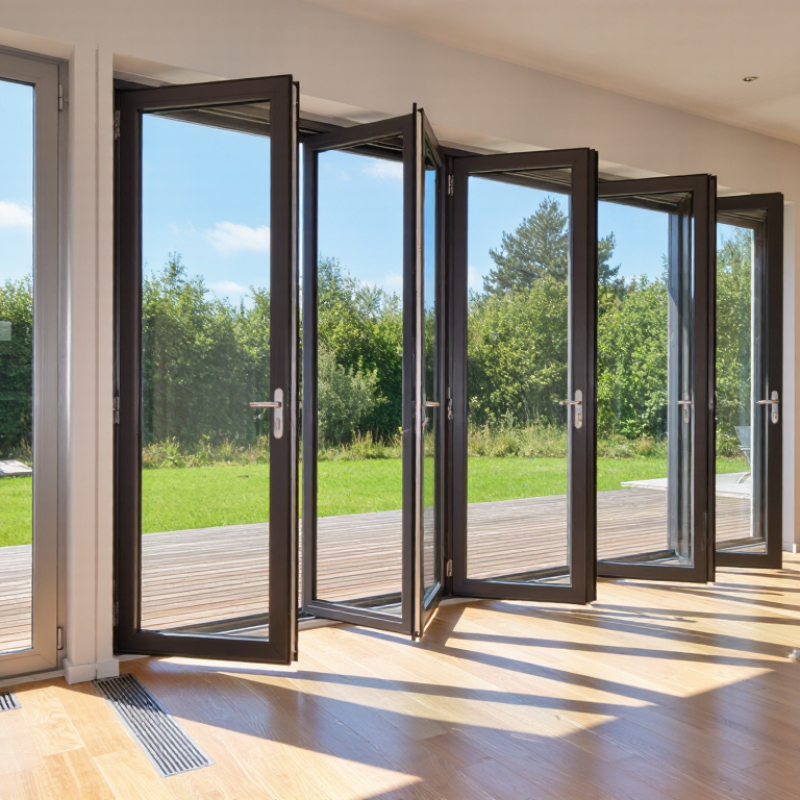
Folding sliding doors use several hinged panels that travel along a track and gather at one or both ends. When fully open, they can expose most of the doorway, making them useful for patios and wide garden openings. The trade-off is a visible stack of panels and more hardware joints to keep clean. Check how much wall space the folded panels occupy before choosing this system. Small details matter.

Lift-and-slide doors work differently. Turning the handle slightly raises the panels, reducing contact with the seals so they can roll along the track. When closed, the panels lower again to form a tighter seal. This design can suit large, heavy glass panels and homes where weather resistance matters, though the track and operating hardware need careful installation. A sample handle test can reveal whether the motion feels manageable.

Corner systems meet at two glass walls, often without a fixed post at the meeting point. Opening both sides creates a broad, uninterrupted view, but the structure above and beside the opening must support the loads. Drainage, wind exposure, and precise alignment deserve attention before the frame is ordered. These systems can look remarkably open, yet the engineering is easy to underestimate. I would question any plan that treats the corner as merely a styling choice.

How Do You Choose a Sliding Glass Door for Your Space?

A sliding glass door should fit how you move through a room, not just its opening. Measure the clear wall width, ceiling height, and floor area beside the doorway. Two-panel sliders suit many patios, while multi-panel systems create wider openings but need more track space. Measure twice. Also check whether furniture, curtains, or a nearby kitchen island could block the moving panel.

For a compact room, a pocket slider can free floor space because its panel disappears into a wall cavity. That option needs suitable framing and can complicate later repairs. Lift-and-slide doors may help with large, heavy panels, but hardware and installation requirements can raise costs. Consider the local climate, too: ask about glazing, seals, drainage, and resistance to wind-driven rain. The prettiest frame is not always the warmest one.

Choose glass based on sunlight, privacy, and impact risks around your home. Low-emissivity glazing can reduce heat transfer, though performance depends on the full assembly and orientation. Tempered or laminated safety glass may be appropriate in vulnerable locations; confirm local requirements with a qualified installer. Request written dimensions, performance data, warranty terms, and maintenance needs before ordering. This sounds fussy. It costs less than correcting a poor fit later.