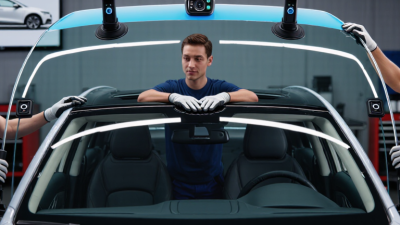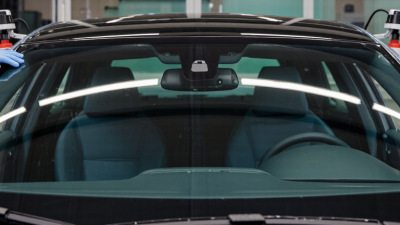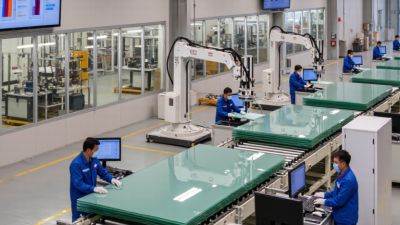
Choosing China’s best auto glass fix suppliers requires more than comparing quotations. Global buyers must assess glass quality, repair capability, documentation, and delivery consistency. The market is expanding. Grand View Research valued the global automotive glass market at approximately US$23.4 billion in 2023 and projected continued growth through 2030. That estimate covers automotive glass broadly, not repair services alone, so it should be read in context.
Vehicle production adds another useful signal. The International Organization of Motor Vehicle Manufacturers reported about 93.5 million vehicles produced worldwide in 2023. More vehicles on the road can mean greater demand for replacement glass and dependable repair support. But demand does not prove a supplier is reliable. A clear quotation, traceable product specifications, and responsive technical support matter more than a polished catalogue.
For buyers comparing Chinese suppliers, practical checks include glass fit and finish, packaging that protects corners during shipping, and written procedures for handling damaged shipments. Ask for relevant quality-system certificates, then verify their scope and validity directly. Also compare lead times, minimum order quantities, warranty terms, and communication across time zones. Small details count. A vague answer about edge defects deserves follow-up. Market reports help frame the opportunity, but they cannot inspect a sample or confirm a factory’s daily controls. Supplier selection still needs evidence, careful questions, and a little healthy skepticism.
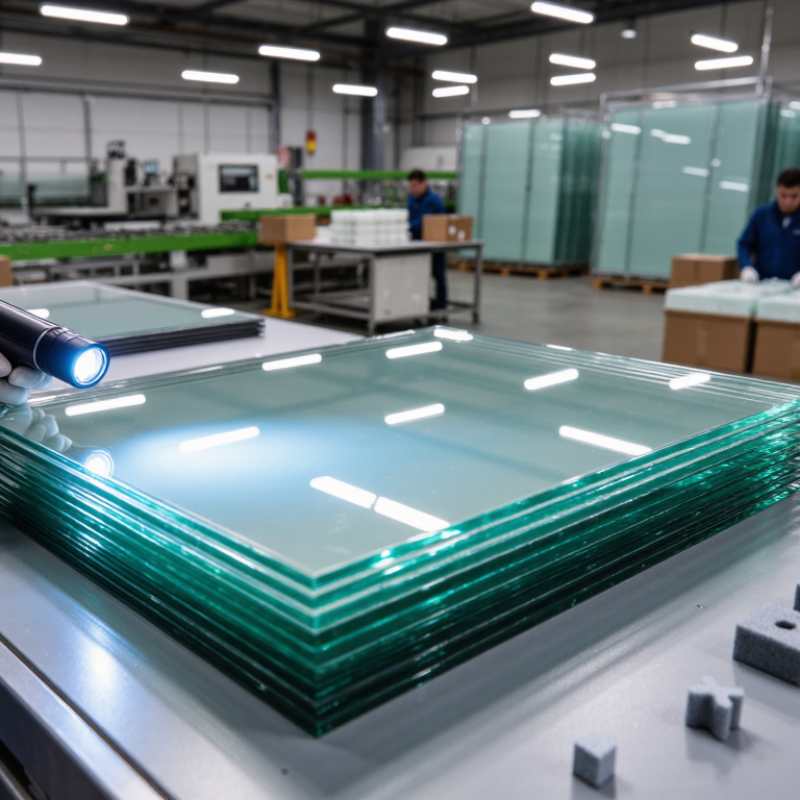
Auto glass repair products serve different damage types. Resin injection kits are commonly used for small windshield chips, bullseyes, and short cracks that meet repair criteria. A bridge tool holds the injector over the impact point, while vacuum and pressure help move resin into the damaged area. After curing, a pit filler seals the surface, and polishing pads reduce roughness. The repair may remain visible. That is normal; the goal is to restore strength and improve clarity, not make every mark disappear.
Small details matter. Glass cleaner removes dirt and oils before repair, while moisture and cold temperatures can affect resin flow and curing. Technicians should inspect the damage, its location, and the glass type before choosing a product. Damage in a driver’s primary viewing area or near a windshield edge may call for replacement instead. Tempered side and rear glass generally requires replacement when shattered; suitable laminated glass may be assessed for repair. For replacement work, cutting tools, suction handles, setting blocks, and automotive urethane support safe removal and installation. Some jobs still require judgment, and product instructions should guide each step.
China’s auto glass supplier landscape includes large integrated manufacturers and smaller specialized factories. Their capabilities may cover windshields, side windows, rear glass, and replacement parts. Some facilities produce laminated and tempered glass, then add acoustic layers, solar-control coatings, or camera brackets to meet specific vehicle designs. Actual capabilities vary, so a broad product list is not proof of production depth.
A windshield is more than a sheet of glass. Edge finishing, curvature, optical clarity, and fit affect installation and driving visibility. Details matter. Experienced suppliers use inspection steps to check dimensions, visual defects, and product consistency, but buyers should ask how these checks are recorded. Request sample pieces, technical specifications, and clear information about material traceability before placing a large order. Ask for evidence. Confirm that the sample matches the proposed production process, and review packaging details such as corner protection and moisture control. Export experience can help reduce transit damage, though it cannot remove every risk. A thoughtful supplier will explain limitations, answer technical questions directly, and agree on how defects or changes are handled. Samples help, but they do not replace monitoring production quality.
Typical glass-ply construction across common automotive glazing products
Laminated glazing typically uses two glass plies bonded by a polymer interlayer, while tempered glazing is a single glass pane. Actual designs vary by vehicle and specification.
For global buyers, supplier quality begins with verifiable product evidence, not polished sales claims. The WHO’s Global Status Report on Road Safety 2023 estimates 1.19 million road deaths each year, reinforcing why vehicle glazing must be assessed as a safety component. Check whether glass type approvals meet UNECE Regulation No. 43 or the applicable requirements in the destination market. Ask for test reports covering impact resistance, light transmission, and optical distortion. Confirm that certificates identify the product, factory, and test method. Paperwork matters. But a certificate alone cannot prove that every shipment matches the tested sample.
Review the supplier’s quality-management controls and batch traceability. ISO 9001 can indicate a documented management system, but it is not product-safety approval. Where laboratory reports are supplied, verify the lab’s competence and the report’s scope; ISO/IEC 17025 accreditation is a useful checkpoint. Request batch records, inspection criteria, and a sample of the actual glass. Look closely for edge damage, uneven markings, or visual waviness across a straight grid. These small checks can reveal process variation. Buyers should also compare packaging protection and complaint-handling records, since transit damage may complicate quality claims. This step is easy to miss. Requirements differ by market, and even a thorough audit has limits; independently confirm key documents with the issuing body.
China Best Auto Glass Fix Suppliers for Global Buyers? A capable auto glass supplier should explain when a chip can be repaired and when replacement is safer. Ask how technicians assess damage size, location, and visibility before recommending a service. Clear answers matter. Request photos, repair limits, and written inspection records. For vehicles with cameras or sensors, confirm whether qualified calibration support is available after replacement. A low quote can look convincing, but unclear service boundaries may cost more later.
Customization should support accurate fit, not just a different label. Share vehicle details, glass dimensions, tint requirements, and sensor or bracket configurations. Ask for a sample specification sheet before approving a large order. Packaging can also be tailored with carton markings, protective separators, and shipment labels. Small details prevent scratches and sorting delays. Still, customization adds review time, and not every request is practical.
Export support is easiest to judge through specific procedures. Check who prepares invoices, packing lists, product specifications, and destination-specific paperwork. Confirm lead times, shipping terms, tracking updates, and how damage claims are handled. Ask how the supplier protects glass during long-distance transport, especially at corners and edges. No checklist catches every mismatch. A trial shipment may reveal gaps that a polished catalog cannot. Verify requirements with your customs broker before placing a larger order.
Global buyers assessing auto glass suppliers in China should begin with the vehicles and markets they serve. Ask whether the supplier can match glass by vehicle model, year, dimensions, tint, and sensor openings. Details matter. A windshield may look correct on a pallet but still distort a driver’s view or fit poorly at installation.
Request recent inspection records, product specifications, and clear photos of packing methods. For samples, check edge finish, curvature, visibility, and fit against the intended vehicle. Ask how defects are recorded and what information is needed to resolve a claim. Specific answers are more useful than broad promises. Confirm production capacity, minimum order quantities, lead times, and how shipping damage is handled. Quality documents deserve review, but they do not replace checking the actual product.
Communication is another practical test. Send a sample inquiry with a vehicle specification and note how quickly the supplier asks for missing details. Compare written quotations carefully, including packaging and delivery terms. A spreadsheet helps, but it can make an uncertain supplier look reliable. I would not choose on price alone; still, a higher quote does not guarantee better glass. Start with a manageable order, inspect it on arrival, and keep dated photos and measurement notes for later comparisons.
| Assessment dimension | What to assess | Evidence to request | Buyer evaluation guide | Suggested weight |
|---|---|---|---|---|
| Product and vehicle coverage | Availability of windshields, side glass, rear windows, and other requested replacement glass, with accurate vehicle and part-number matching. | Current catalog, fitment data, drawings, dimensions, glass type, and a process for confirming vehicle-specific specifications. | Check high-demand applications first. Verify curvature, thickness, sensor brackets, antenna features, and other required fittings against the intended vehicle. | 15% |
| Safety and regulatory compliance | Whether the offered glass meets the regulations applicable in the destination market. Requirements differ by country and product type. | Applicable test reports, approval documentation, traceable markings, and confirmation that documents cover the specific product and market. | For example, check whether ECE R43 or applicable U.S. requirements such as FMVSS 205 and ANSI/SAE Z26.1 apply. Verify current local rules independently; do not treat an ISO 9001 certificate as product approval. | 20% |
| Product quality and consistency | Glass construction and workmanship, including optical quality, edge finish, fit, bonding surfaces, and consistency between production batches. | Written inspection criteria, sample inspection records, defect-handling procedure, and representative samples where practical. | Agree measurable acceptance criteria before ordering. Inspect samples for visible distortion, chips, scratches, contamination, dimensional fit, and correct fittings. | 15% |
| ADAS and sensor compatibility | Compatibility with camera, rain sensor, head-up display, antenna, and other vehicle equipment where fitted. | Part-specific feature list, bracket and coating details, installation guidance, and any calibration-related information available for the application. | Confirm the exact vehicle configuration. Replacement glass may require camera or sensor calibration after installation; confirm procedures with qualified installers and vehicle guidance. | 10% |
| Production and supply capability | Ability to handle the buyer’s order size, product mix, repeat orders, and agreed production schedule. | Production workflow, capacity explanation, order-planning process, and recent on-time delivery records relevant to similar orders. | Compare the supplier’s written schedule with your required delivery window. Confirm how changes, shortages, and urgent replacement orders are handled. | 10% |
| Packaging and transport protection | Packaging suitability for fragile, oversized glass and the planned transport mode, handling steps, and destination. | Packaging specifications, photos of packed goods, pallet or crate details, and a documented procedure for transit damage claims. | Ask how glass is separated, restrained, protected from edge impact, and marked for handling. Confirm packaging dimensions and shipping terms before finalizing landed cost. | 10% |
| Traceability and quality management | Ability to identify products and production batches and to investigate quality issues consistently. | Sample labels, batch records, inspection documentation, and any relevant quality-management certificates with a valid scope. | Confirm traceability from order to shipment. Check certificate validity and scope directly with the issuing body where appropriate. | 5% |
| Commercial terms and total cost | Quoted product price, minimum order quantity, payment terms, tooling or sample charges, freight assumptions, and other applicable costs. | Itemized quotation, quotation validity, applicable Incoterms® rule and named place, payment schedule, and written charge details. | Compare like-for-like specifications and calculate landed cost, including freight, insurance, duties, taxes, and local handling as applicable. | 5% |
| Communication and after-sales support | Clarity and responsiveness during specification checks, order updates, claims, and technical follow-up. | Named contact process, response and escalation procedure, warranty terms, and written steps for returns or claims. | Test communication with a detailed specification request before placing an order. Ensure responsibility and claim deadlines are clear in writing. | 10% |
| Selection method | Score each supplier from 1 (insufficient evidence) to 5 (strong, verified evidence) for every dimension. Multiply each score by its suggested weight, then compare the weighted totals. Treat safety compliance, product fit, and documentation as essential checks, not items that a low price can offset. | 100% | ||
This table is a buyer-side assessment framework, not a ranking or verification of individual suppliers. Confirm product claims, certificates, applicable regulations, and commercial terms independently before ordering.